
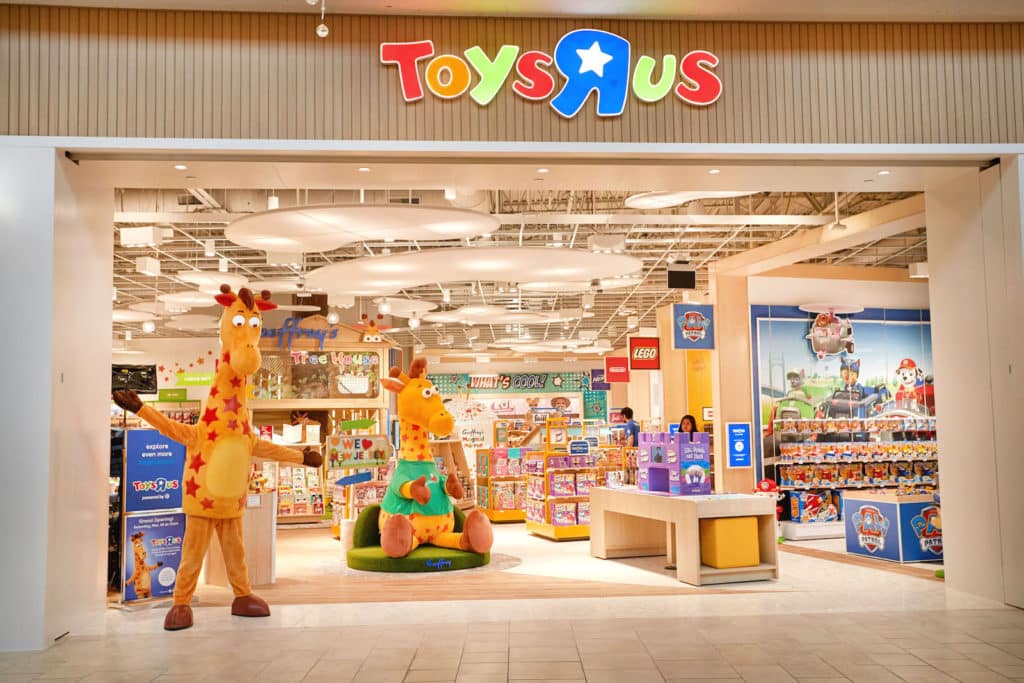
Toys ‘R’ Us and Macy’s are expanding expansion in a major partnership.
WHP Global, owner of Toys ‘R’ Us since 2021, has signed a new partnership agreement with department store chain Macy’s. According to the signed agreement, the iconic retailer’s children’s toy stores will appear in all of the chain’s department stores.
Macy’s and WHP Global announced the partnership last year, opening shop-in-shop format stores in major cities across the country. To date, stores are operating in flagship department stores in New York, Chicago, Atlanta and Miami.
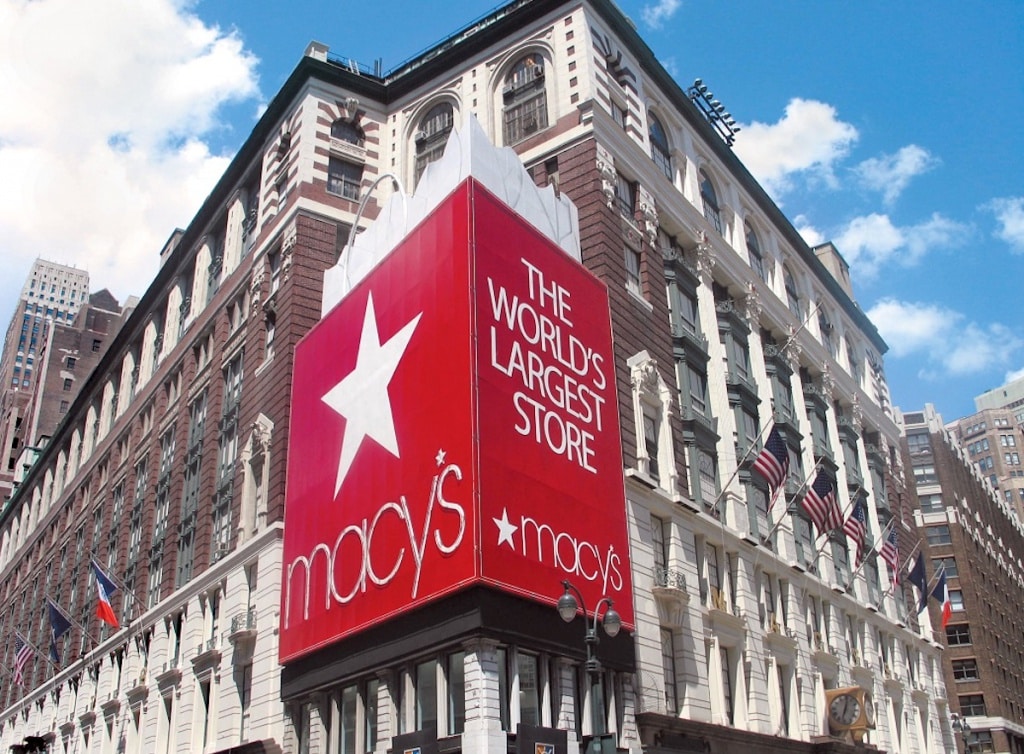
Beginning in late July and continuing through mid-October, the partners plan to roll out the retail chain in time for the holiday shopping season. Toys ‘R’ Us will open at Macy’s in formats ranging from 1,000 to 10,000 square feet.
WHP Global was originally expected to open about 400 stores during the year. But the new agreement assumes that the retailer will be able to lease space in all 750 Macy’s department stores, greatly increasing its presence in the U.S. market.
For such a brand with a long history, this is indeed a significant step forward since the chain was liquidated in bankruptcy in 2018. Under the new partnership, Macy’s will provide merchandising for the store-in-store format, while Toys ‘R’ Us will be responsible for customer service.
Macy’s noted that “customer response to the partnership with Toys R Us has been incredible and the toy business has seen tremendous growth.” In the first quarter of 2022, in-store toy sales doubled on average and tripled in the fourth quarter.
Although Toys ‘R’ Us leases significantly less space today than in years past, it could theoretically be expanded by another 500 to 3,000 square feet by the holidays. Macy’s is also planning a series of holiday events in October with “family friendly activities” and toy giveaways to attract even more customers to Toys ‘R’ Us stores.
Gross margins and selected profit metrics for Coach, Pop Mart, lululemon, Miniso, Five Below, TJX and Costco, plus where each…
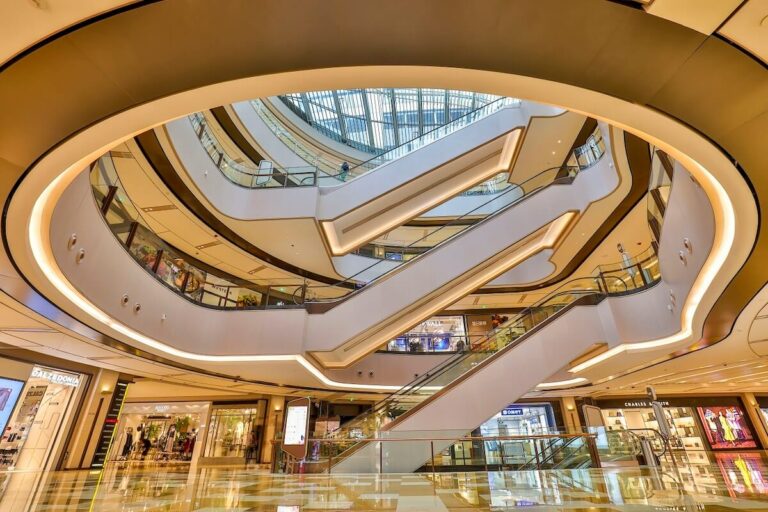
NikeSKIMS, Birkenstock and Starbucks Reserve chose HKRI Taikoo Hui for major China debuts. Why the Shanghai complex keeps winning new…
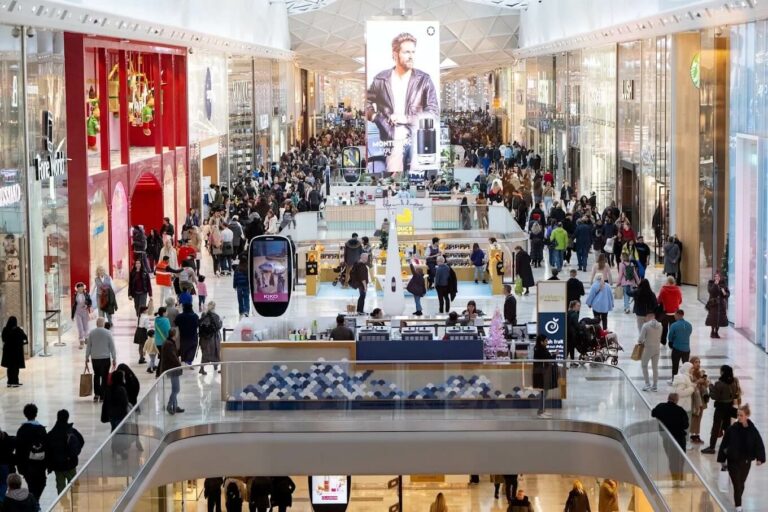
Bluewater opens its first new anchor since 1999. Next takes the former House of Fraser space with about 132,000 square…
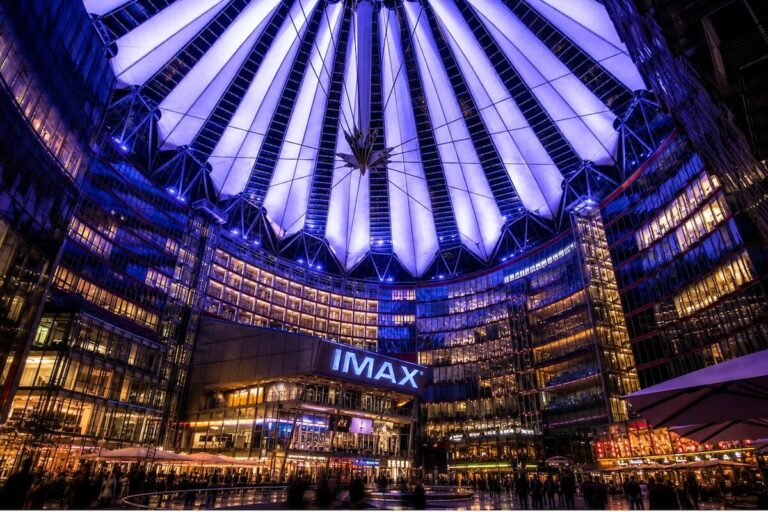
Opening in IMAX 70mm on July 17, 2026: Christopher Nolan's The Odyssey. Select shows went on sale one year in…

European retail is scaling AI, agentic commerce and retail media, but consumer trust is becoming the constraint. Four structural shifts…

Mall operators are no longer leasing space for pop-ups. They are selling audience access.
