Food and beverage retailers have become an increasingly core part of the modern shopping center.
Research from ICSC in connection with JLL found that the right line-up of F&B had a “halo effect” – shopper traffic grew, customers spent more time in the center, and overall sales grew.
The global retail and leisure landscape is experiencing significant change–lasting and structural, driven by macro demographic trends, technological advancements and ever- evolving consumer expectations. The combination of these trends and expectations is having a huge impact on both the retail and foodservice sectors globally, regarding consumer spending patterns and space allocation. Across most countries, consumer spending on foodservice has been outpacing grocery spending (and indeed all retail spending) in recent years. Moreover, as spend shifts from transactional to experiential food offers, food, and beverage (F&B) is growing in importance to retail real estate. In some regions of the U.K., Canada, and U.S., the amount of space in properties assigned to F&B is forecast to reach up to 20% or more of total area by 2025 (and it could exceed 30% in Asia). Realized correctly, food service drives shopper traffic, dwell time, spend and overall sales increase—the “halo effect.” To be sure, more restaurants and bars do not indeed equate to success for shopping centers, as this massive extension in space allocation appears with opportunities (e.g., increased shopper traffic and sales) but also risks (e.g., oversupply). But overall, F&B can now act as an anchor.
This paper explores the impact of foodservice growth on retail real estate, plans and best methods for the successful integration of food service, and the future outlook.
Pontegadea is negotiating the purchase of distribution centers in Wisconsin and Pennsylvania.
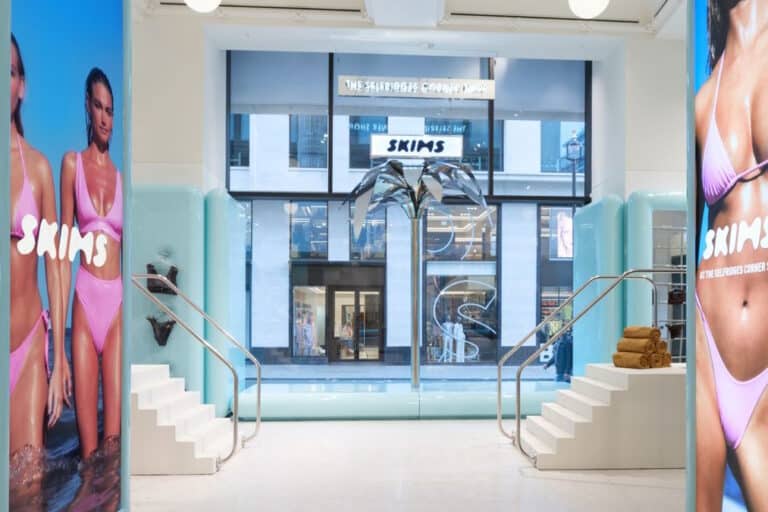
These brands not only reflect the style and personality of celebrities but have also turned into major profit-generating enterprises.
1,051 of 1,173 US malls hold zero ultra-luxury brands. Half of all Cartier, Chanel, Hermès, and Louis Vuitton mall stores…
Every physical expansion decision starts with the same question: where does the store go?
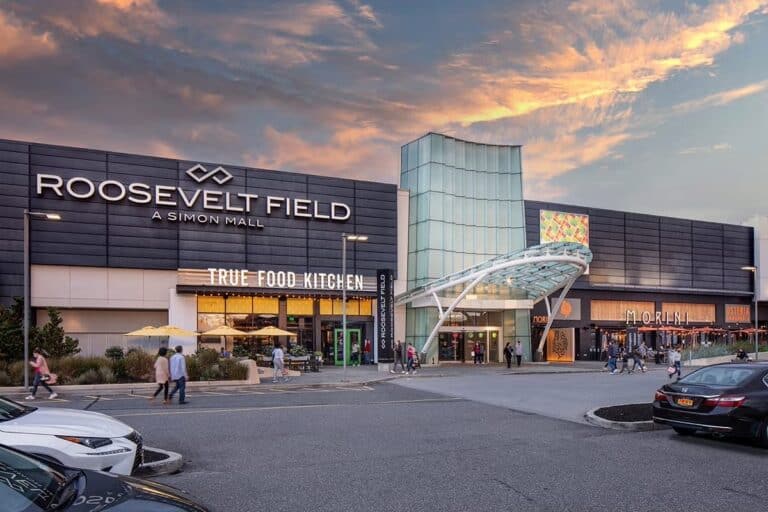
900 malls remain in the United States. The top 100 account for half the sector's value.
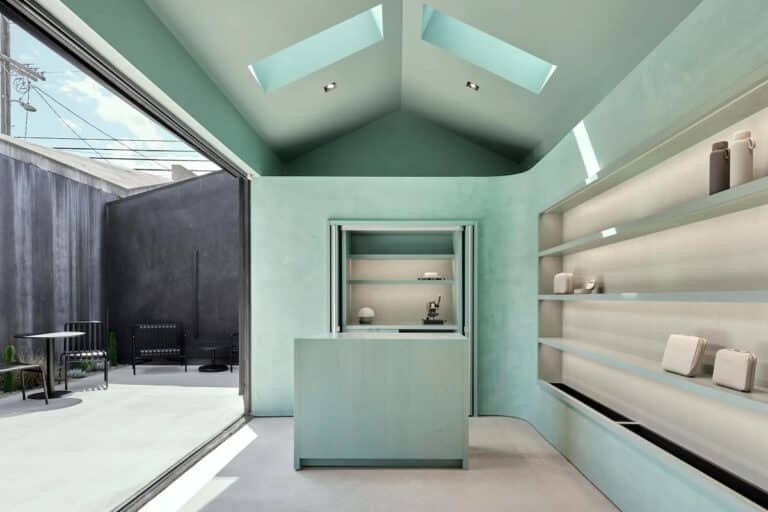
57 verified brand expansion signals. 25+ markets. Seven archetypes. One structural pattern.
Verified signals on brand expansion, store openings, and mall development. Free.
Free · No credit card · Unsubscribe any time
Billed annually · View full comparison · Payment via invoice or PayPal