

$1.2-billion project, known as the Reef, was approved by the LA Planning Commission.
The proposed development will turn two empty parking spaces and the 12-story building on Washington Boulevard in South Los Angeles into a walkable community of skyscrapers and low- and mid-rise residential buildings only a few blocks from a Metro Blue Line station.
The village will include luxury condominiums, apartments, a hotel, a fitness center and 104,000 square feet of retail space. The design for The Reef Project begins on the ground by destroying the existing super blocks, providing a pedestrian-oriented urban experience. Pathways through the site, connect surrounding streets with the landscaped courtyards and gathering spots contained within the project.
#SHOWGALLERY#
The developer, PHR LA Mart LLC plans to begin construction works in 2017 and it will take place in two stages:
Phase 1 is the development of the western area, which includes a new garage for the Reef building, the hotel and 100 units of rental housing. This step will take about 2.5 years.
Development of phase 2 can begin two years after Phase 1 begins, and will take approximately 2.5 years.
Some area residents oppose the project because of their concern it may drive up property rates and eventually force them out of the neighborhood. LA Planning Commission want the developer to pay $ 15M for off-site affordable hosting. Project owners have to earmark 5% of the apartments for low-income families.
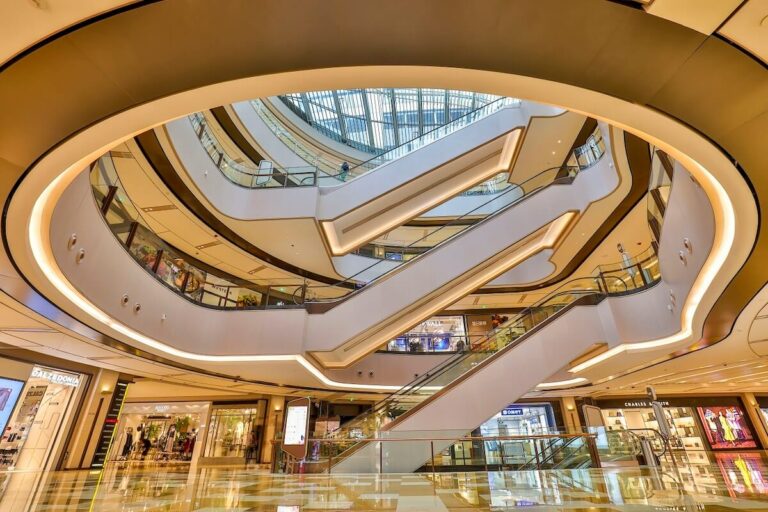
NikeSKIMS, Birkenstock and Starbucks Reserve chose HKRI Taikoo Hui for major China debuts. Why the Shanghai complex keeps winning new…
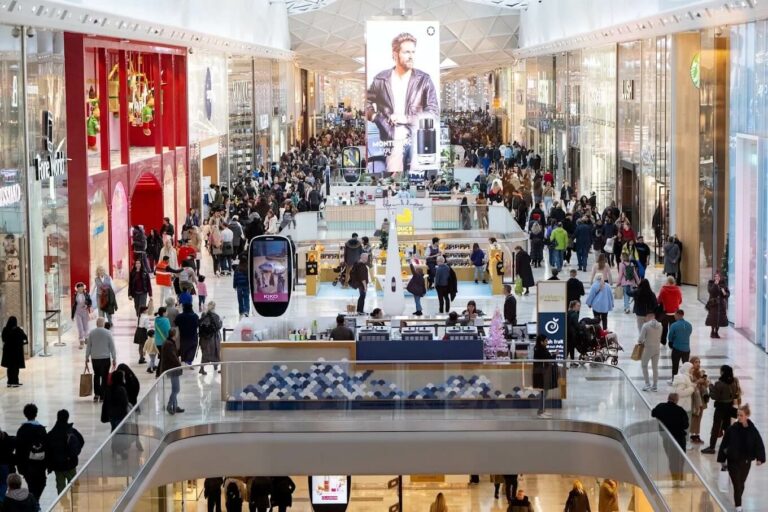
Bluewater opens its first new anchor since 1999. Next takes the former House of Fraser space with about 132,000 square…
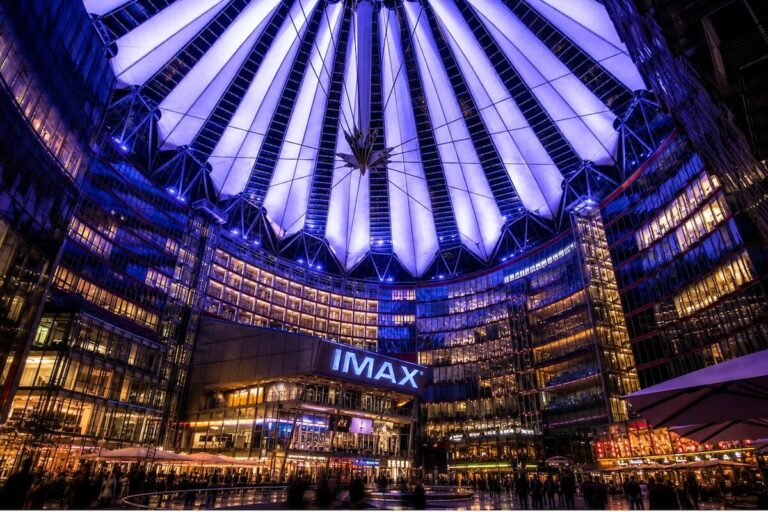
Opening in IMAX 70mm on July 17, 2026: Christopher Nolan's The Odyssey. Select shows went on sale one year in…
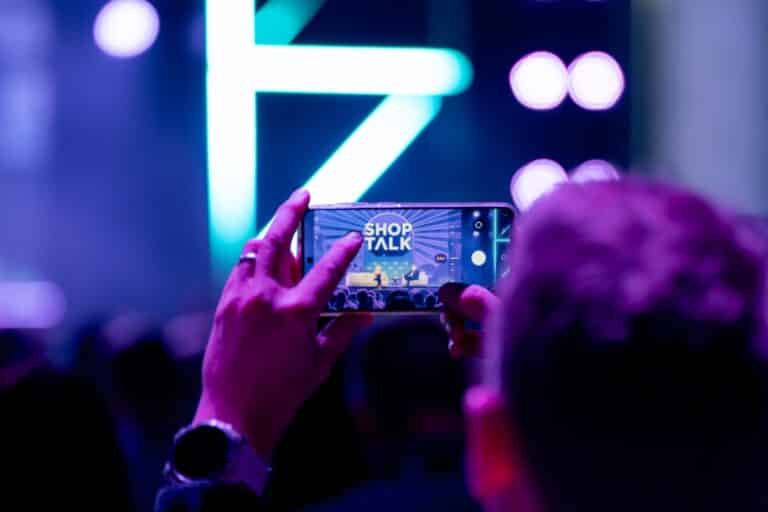
European retail is scaling AI, agentic commerce and retail media, but consumer trust is becoming the constraint. Four structural shifts…
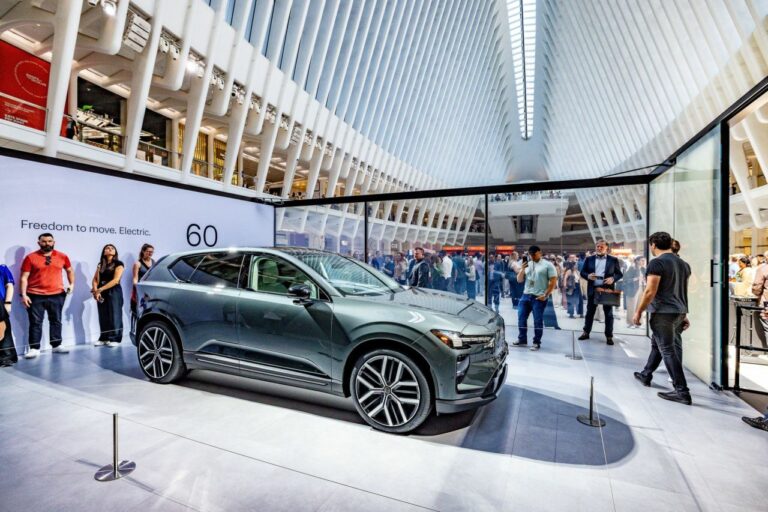
Mall operators are no longer leasing space for pop-ups. They are selling audience access.
Physical stores still drive most retail sales, fulfill online orders, support AI shopping, and help brands return to market.
Verified signals on brand expansion, store openings, and mall development. Free.
Free · No credit card · Unsubscribe any time
