

According to North American Properties, customers are moving away from traditional malls and looking for new experiences and if this is what they are after, retailers have to offer it.
Retailers and owners have for the past 10 years been extremely concerned about the potential death of regional malls.
However, many people state that the idea of the traditional American mall having died is an overstatement. People feel that the dynamics of what consumers want may have changed and is constantly changing, but there is still a place for traditional malls in the retail sector.
According to an EVP based at Coldwell Banker Commercial Alliance, Scott Hook, the traditional mall will not be leaving the landscape any time soon. He said that people argue that consumers have moved to online shopping because of its convenience, but if you visit malls over weekends or the holiday season, you will soon become aware that huge numbers of consumers are still making their normal visits to the malls, which are simply in a state of transition.
This view was confirmed by Joseph Coradino, the CEO and president of PREIT. He said the answer is to improve the traditional mall and move from it being a shopping venue to an experiential venue, offering consumers internet, entertainment, and food and shopping.
Derrick Moore, the principal of urban retail properties at Avison Young, said malls should be anchored with specialty markets and restaurants, as consumers continue looking for healthier options and entertainment in the food world.
Population density is of great importance in secondary trade areas. These areas only have demand for a single regional mall and the others have to find alternative uses. A further problem mall property owners have had to contend with is that department store anchors hold control rights. Tenants, such as Sears, have historically owned their part of the real estate and without their co-operation, it becomes costly and difficult to obtain approval for redevelopment.
The next few years may be a difficult time for the class B and C mall owners. Tenants are looking for smaller space and owners will have to reconsider the type of space they are offering or convert their enclosed concourses to open-air spaces.
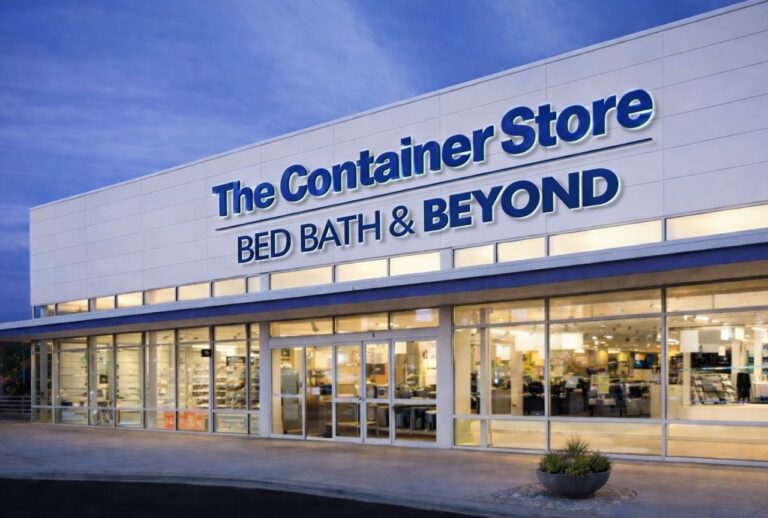
Physical stores still drive most retail sales, fulfill online orders, support AI shopping, and help brands return to market.
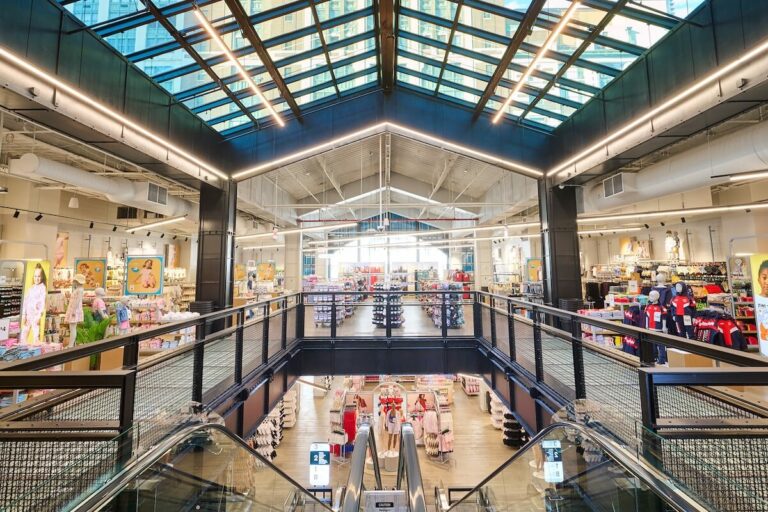
A practical guide to nine mall tenant formats in 2026, from flagships and pop-ups to anchor redevelopment and mixed-use retail.
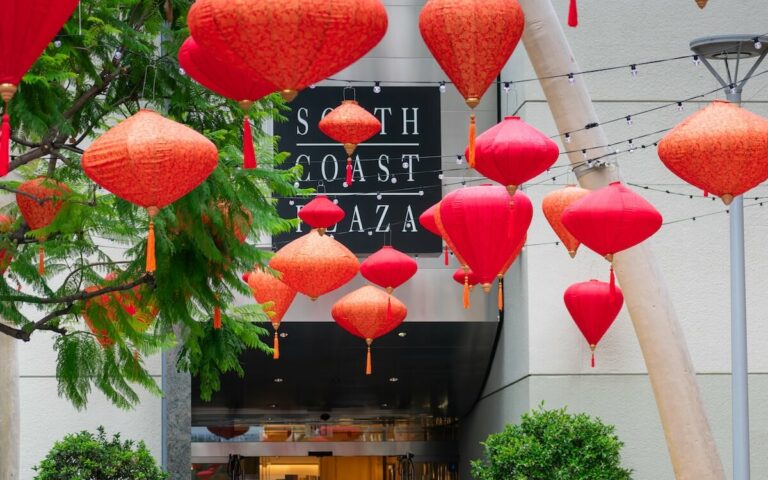
1,051 of 1,173 US malls hold zero ultra-luxury brands. Half of all Cartier, Chanel, Hermès, and Louis Vuitton mall stores…
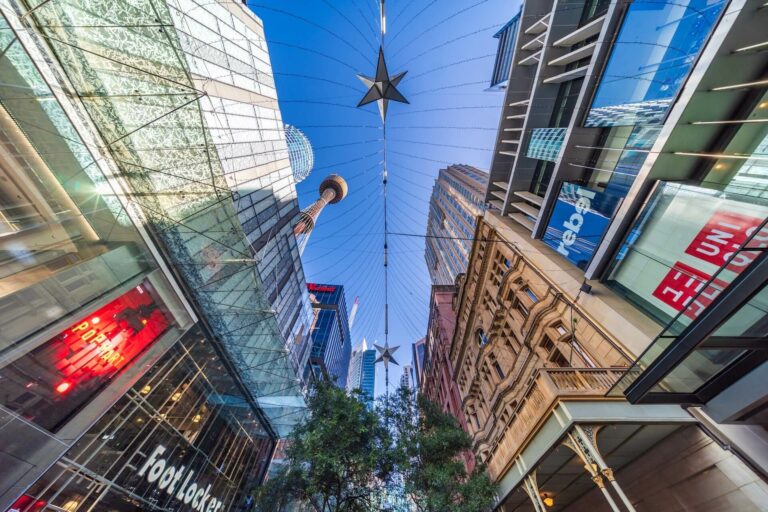
Every physical expansion decision starts with the same question: where does the store go?
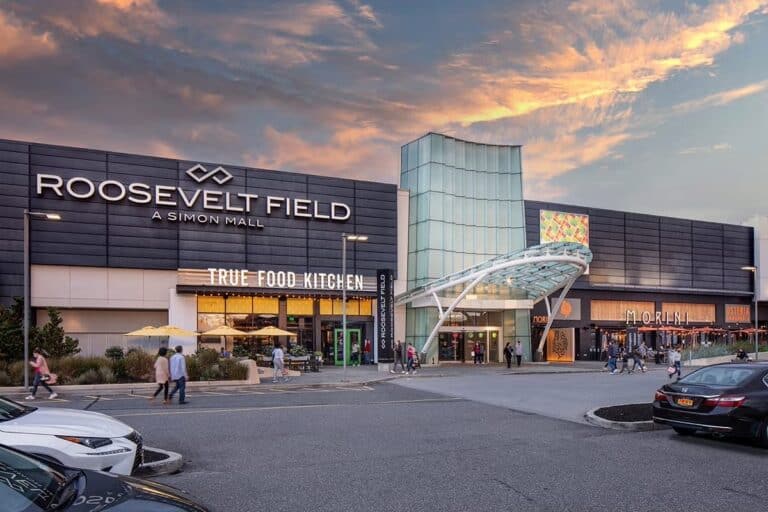
900 malls remain in the United States. The top 100 account for half the sector's value.
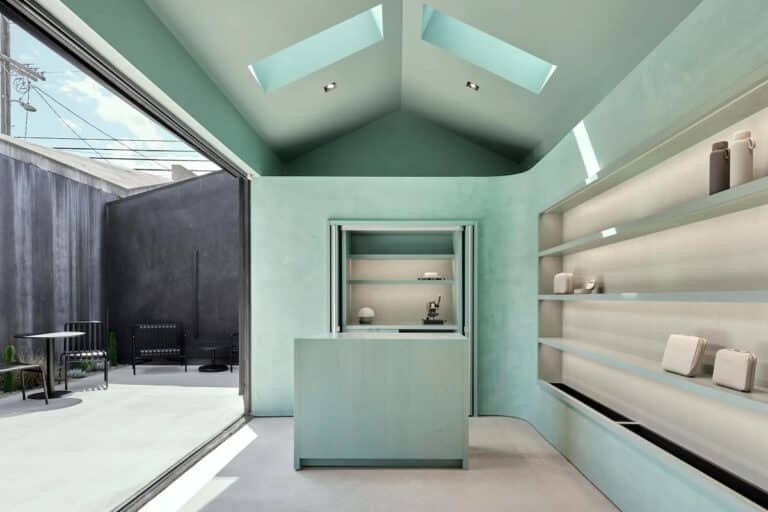
57 verified brand expansion signals. 25+ markets. Seven archetypes. One structural pattern.
Verified signals on brand expansion, store openings, and mall development. Free.
Free · No credit card · Unsubscribe any time
Billed annually · View full comparison · Payment via invoice or PayPal
