

According to a Green Street study, the value of leading malls in the U.S. is down 46% from 2016.
Analytical company Green Street, which specializes in real estate, conducted a study of the top malls’ cost, the so-called A-class. The survey covered about 250 of more than 1,000 U.S. shopping centers, which are the primary benchmark in the field of commercial real estate because they account for the bulk of the cost of all shopping centers.
According to the report, on average, A-class malls bring in $750 in sales per square foot. Meanwhile, Class A++ malls bring in $1,100 in sales, Class B malls bring in about $425, and Class C malls bring in $250.
Green Street estimates that Class A malls’ value is down about 46% from 2016 when they peaked. It also notes that the stock of the nation’s largest mall owner, Simon Property Group, has fallen more than 32% in the past 12 months.
The main significant factor contributing to this trend is the weakening position of large department store chains. They traditionally been anchor tenants of shopping malls and attracted shoppers to retailers and visitors to restaurants. The situation in most extensive shopping malls has deteriorated significantly due to the pandemic due to decreased shoppers’ flow and many significant tenants’ departure.
According to Green Street experts, the way out for A-class malls is to increase viability by adding to the area for retail space or other purposes, such as offices, warehouses, etc. Simultaneously, Class B and C malls often do not have this option, so their survival in the coming years is questionable.
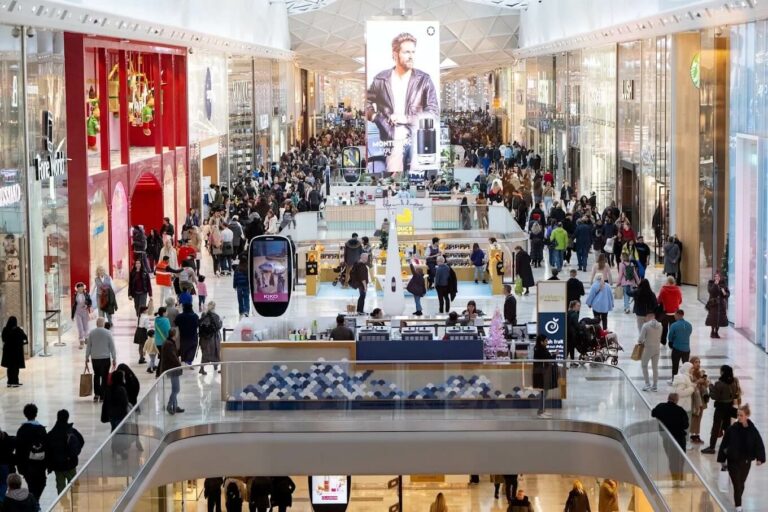
Bluewater opens its first new anchor since 1999. Next takes the former House of Fraser space with about 132,000 square…

Opening in IMAX 70mm on July 17, 2026: Christopher Nolan's The Odyssey. Select shows went on sale one year in…

European retail is scaling AI, agentic commerce and retail media, but consumer trust is becoming the constraint. Four structural shifts…
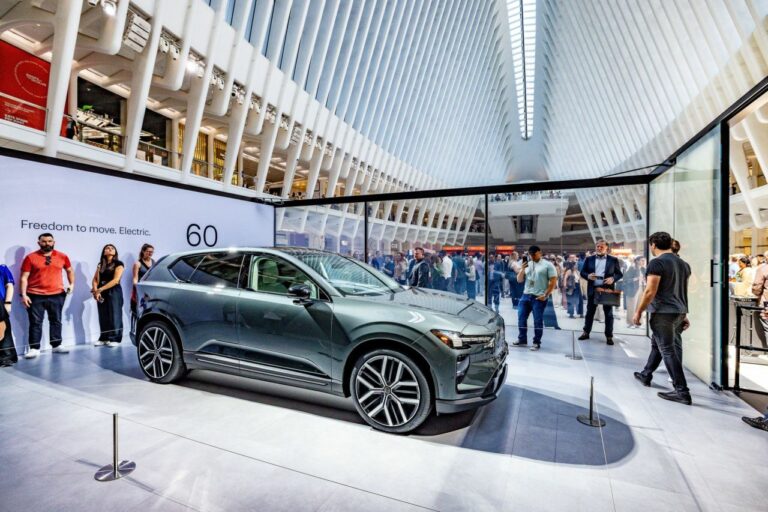
Mall operators are no longer leasing space for pop-ups. They are selling audience access.
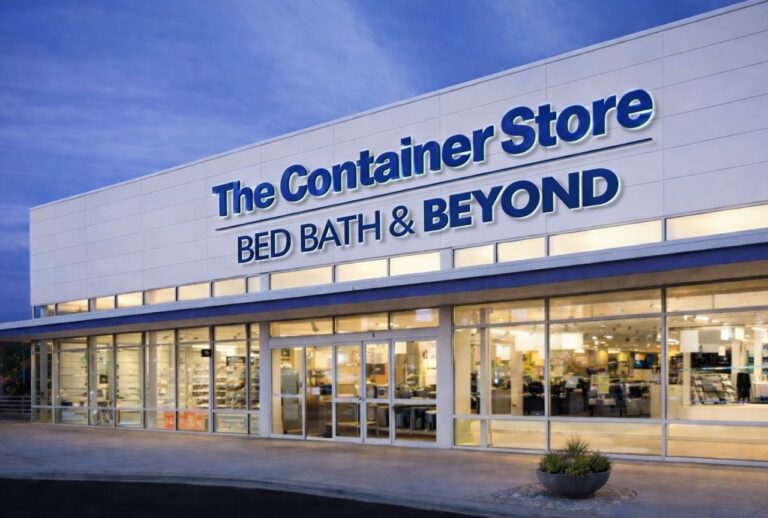
Physical stores still drive most retail sales, fulfill online orders, support AI shopping, and help brands return to market.
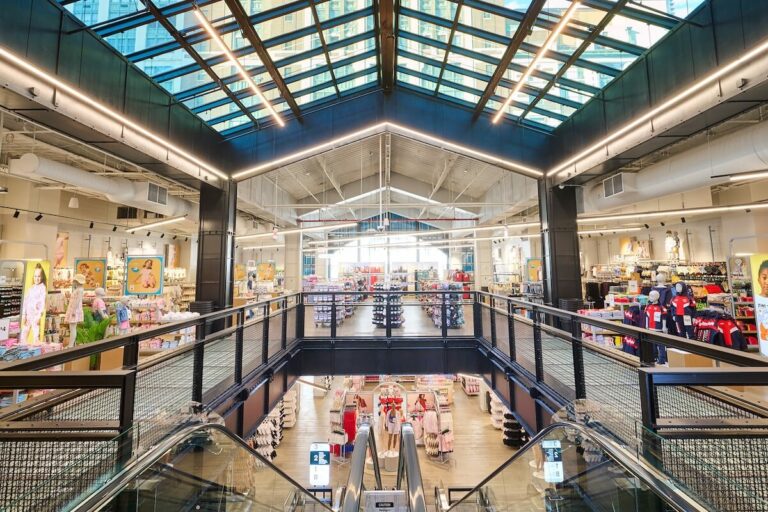
A practical guide to nine mall tenant formats in 2026, from flagships and pop-ups to anchor redevelopment and mixed-use retail.
Verified signals on brand expansion, store openings, and mall development. Free.
Free · No credit card · Unsubscribe any time
