
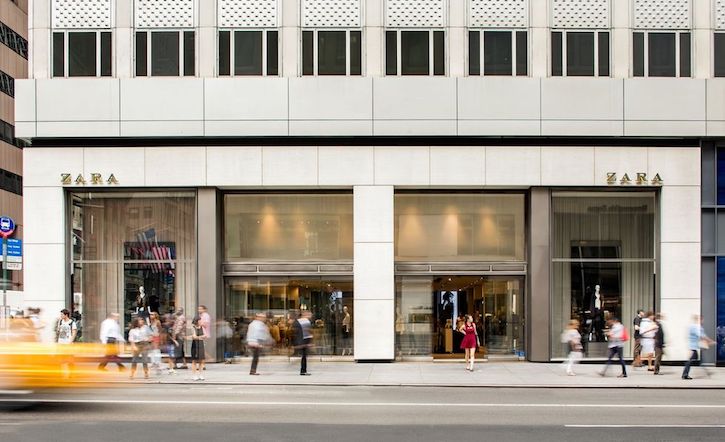
Pablo Isla, CEO of Inditex, the company which owns fashion brand Zara, spoke about the critical components of retail today.
The president of the Inditex Group, Pablo Isla, outlined his “four pillars of the retail industry” in the era of transformation, caused by technological changes. The author’s column was published in The Wall Street Journal.
The first component is the people and talents that retailers need to maintain productivity and creativity. This includes a commitment to gender equality, diversity, and inclusion. The second is satisfying the consumer demand for the “latest fashion trends with the best quality,” which requires a “manufacturing process that also embeds the best social and environmental sustainability practices into the supply chain.”
The third component, as Palo Isla writes in his author’s review, is technologies that support the ability of customers to navigate between platforms easily. And the fourth, according to CEO Inditex, is sustainability, which requires a long-term vision.
Considering that the Spanish retailer Inditex, which owns the famous clothing brands Zara, Bershka, and Massimo Dutti, still maintains a leading position in the world of retailers, the stated “pillars” of Isla will not go unnoticed by retailers, the Wall Street Journal states.
Spanish clothing retailer Inditex recorded a net profit growth for nine months of 2017 by 6.2% y / y due to a 10% increase in sales in the reporting period. Thus, for the nine months (from February to October), the company’s net profit rose from 2.21 billion euros in the same period last year to 2.34 billion euros (2.75 billion dollars).

European retail is scaling AI, agentic commerce and retail media, but consumer trust is becoming the constraint. Four structural shifts…
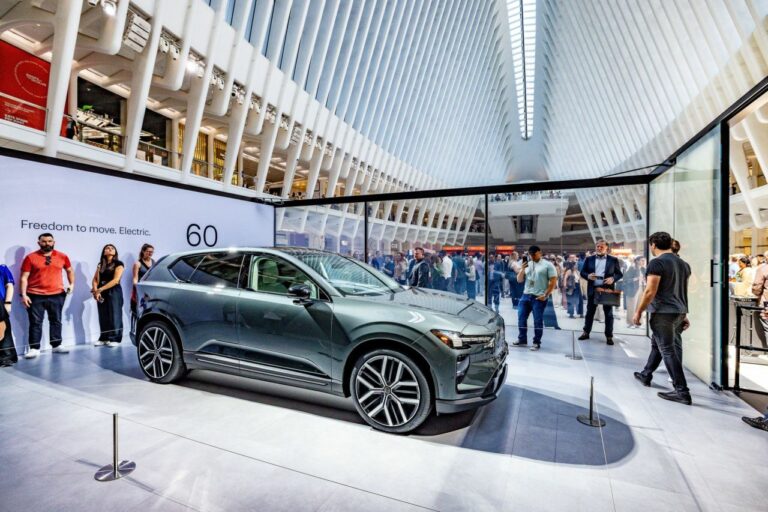
Mall operators are no longer leasing space for pop-ups. They are selling audience access.
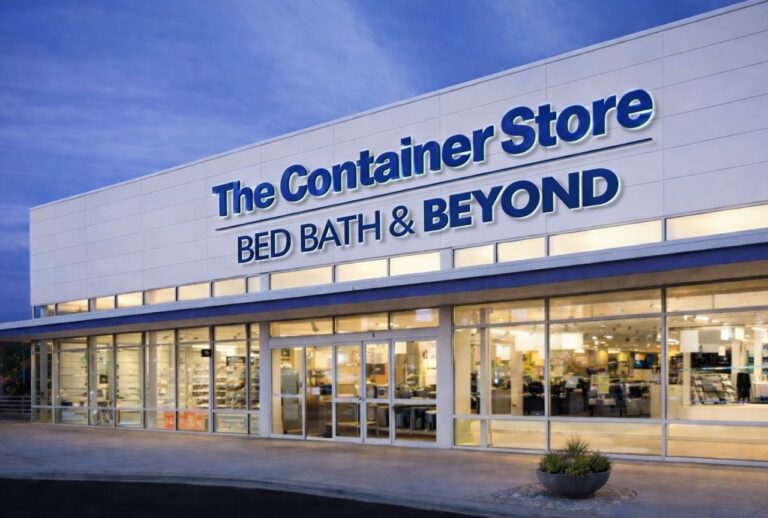
Physical stores still drive most retail sales, fulfill online orders, support AI shopping, and help brands return to market.
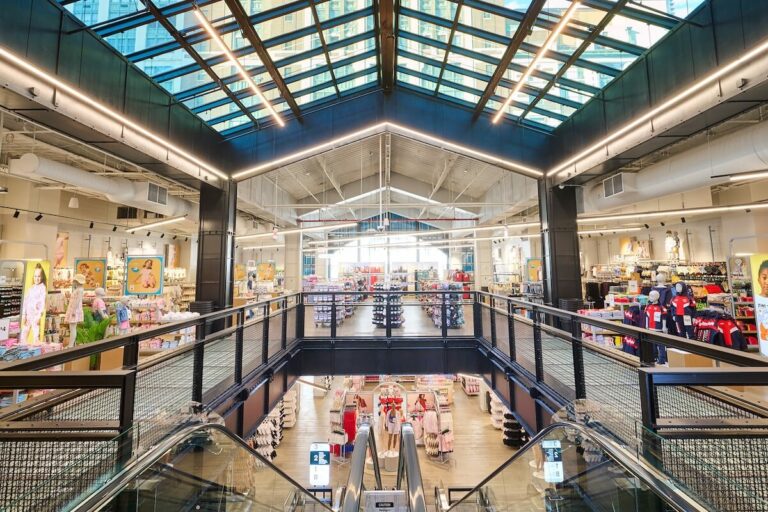
A practical guide to nine mall tenant formats in 2026, from flagships and pop-ups to anchor redevelopment and mixed-use retail.
1,051 of 1,173 US malls hold zero ultra-luxury brands. Half of all Cartier, Chanel, Hermès, and Louis Vuitton mall stores…
Every physical expansion decision starts with the same question: where does the store go?
Verified signals on brand expansion, store openings, and mall development. Free.
Free · No credit card · Unsubscribe any time
