
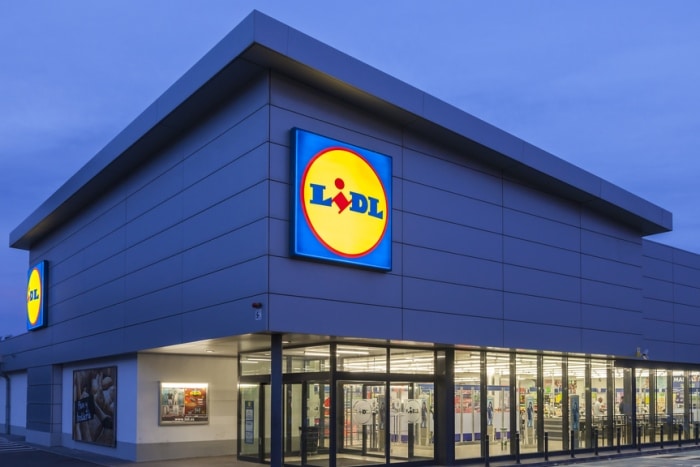
German discounter Lidl headed the rating “Hot 100 Retailers” by the National Retail Federation.
The National Retail Federation gave an annual rating of “Hot 100 Retailers,” which included the fastest growing companies in terms of revenue on the U.S. market in yearly calculations. This year’s Top 10 included representatives from nine different segments of retailing.
The authors of the survey noted that the listed companies proved to be more resilient to the crisis and new market realities than the leading retailers by revenue volume, which relied primarily on physical sales. The main success factors were the transition to eCommerce, the development of digital services, and omnipotence.
The companies that made it to the top 100 are estimated to be more secure after the restrictions on retailing around the world, as well as shortly, given the changing consumer behavior. Wells Fargo Economics Group estimates that during the quarantine period, online sales made up 19% of retailers’ revenue, a 12 p.p. increase over a year earlier. Analysts believe that the spring 2020 crisis will accelerate the digitalization of retailers by about ten years.
Ratings for the “Hot 100 Retailers,” according to the National Retail Federation, were headed by the German discounter Lidl, which increased sales in the U.S. in annual comparison by 69%. Specializing in the sale of furniture and home furnishings online retailer Wayfair took second place with an increase in revenue by 29%. Build.com, an online home furnishing retailer, closed the top three. On its list of the fastest-growing retailers, Amazon took 5th place, and fashion retailer Primark settled out of the top 10.
Photo credit: depositphotos.com.
The vendors and deployments behind shopping advice, store navigation and retail operations, with a closer look at what it takes…
Miss A, Rowan and HEYTEA are on US mall opening lists in fall 2026. Their public records show what each…

Gross margins and selected profit metrics for Coach, Pop Mart, lululemon, Miniso, Five Below, TJX and Costco, plus where each…
NikeSKIMS, Birkenstock and Starbucks Reserve chose HKRI Taikoo Hui for major China debuts. Why the Shanghai complex keeps winning new…
Bluewater opens its first new anchor since 1999. Next takes the former House of Fraser space with about 132,000 square…

Opening in IMAX 70mm on July 17, 2026: Christopher Nolan's The Odyssey. Select shows went on sale one year in…
