

The brand reported an increase in sales and profits for the first quarter of its fiscal year that exceeded analysts’ forecasts.
According to the report, the company reported revenues of $1.03 billion, compared to expectations of $1.02 billion. And that’s way up from $551.7 million a year earlier. Meanwhile, net income for the first quarter of the fiscal year that ended May 1 was $95.5 million, or 46 cents per share. By comparison, the same period last year brought American Eagle only a loss of $257.2 million.
Sales of American Eagle’s namesake brand were up slightly from 2019’s numbers to $728 million. At the same time, revenue for the Aerie brand rose 89 percent to $297 million over the two years; all of this happened against the backdrop of a gradual return of shoppers to malls. People are tired of the constant sitting around four walls, homeware, and online ordering. It is especially true for the younger generation.
Jen Foyle, a chief creative officer of American Eagle Outfitters and global president of Aerie, told CNBC that the company’s decision to abandon promotions and focus entirely on shaping the finished look had helped boost profits. And, as previously published research from analyst firm Piper Sandler’s shows, the American Eagle brand is among the most beloved brands among teens in the United States, along with Nike and Amazon.
Despite the good news, however, the company’s stock is down about 1 percent as it did not provide financial projections for the whole year. We should note here that many brands prefer not to make long-term forecasts because of the volatile situation in today’s market.
American Eagle’s sales growth report followed similar reports from Urban Outfitters and Abercrombie & Fitch, which also showed better-than-expected results. All this suggests that some challenging times have passed, and the market is slowly beginning to recover.
Photo credit: depositphotos.com.
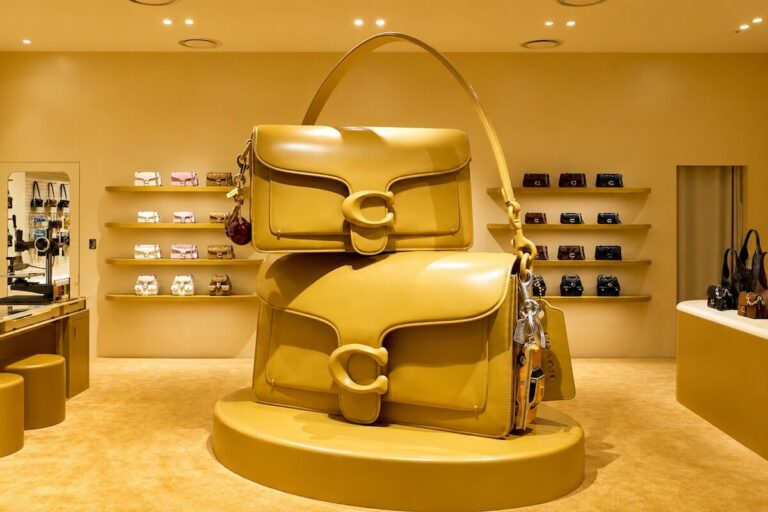
Gross margins and selected profit metrics for Coach, Pop Mart, lululemon, Miniso, Five Below, TJX and Costco, plus where each…
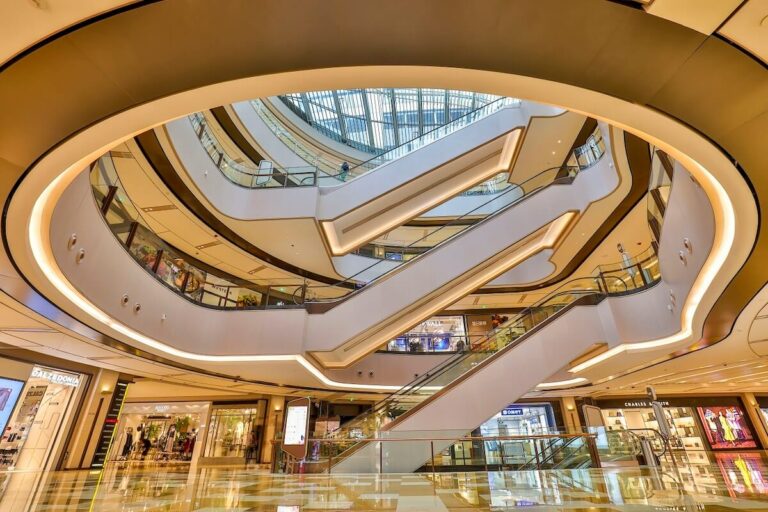
NikeSKIMS, Birkenstock and Starbucks Reserve chose HKRI Taikoo Hui for major China debuts. Why the Shanghai complex keeps winning new…
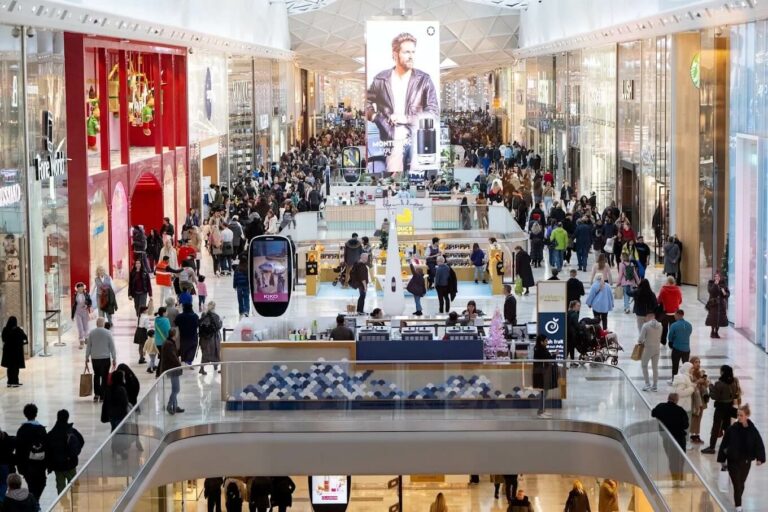
Bluewater opens its first new anchor since 1999. Next takes the former House of Fraser space with about 132,000 square…
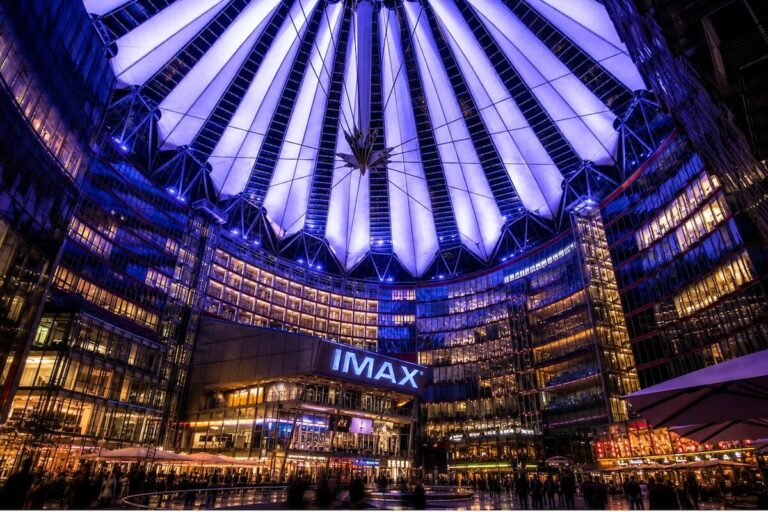
Opening in IMAX 70mm on July 17, 2026: Christopher Nolan's The Odyssey. Select shows went on sale one year in…

European retail is scaling AI, agentic commerce and retail media, but consumer trust is becoming the constraint. Four structural shifts…
Mall operators are no longer leasing space for pop-ups. They are selling audience access.
