
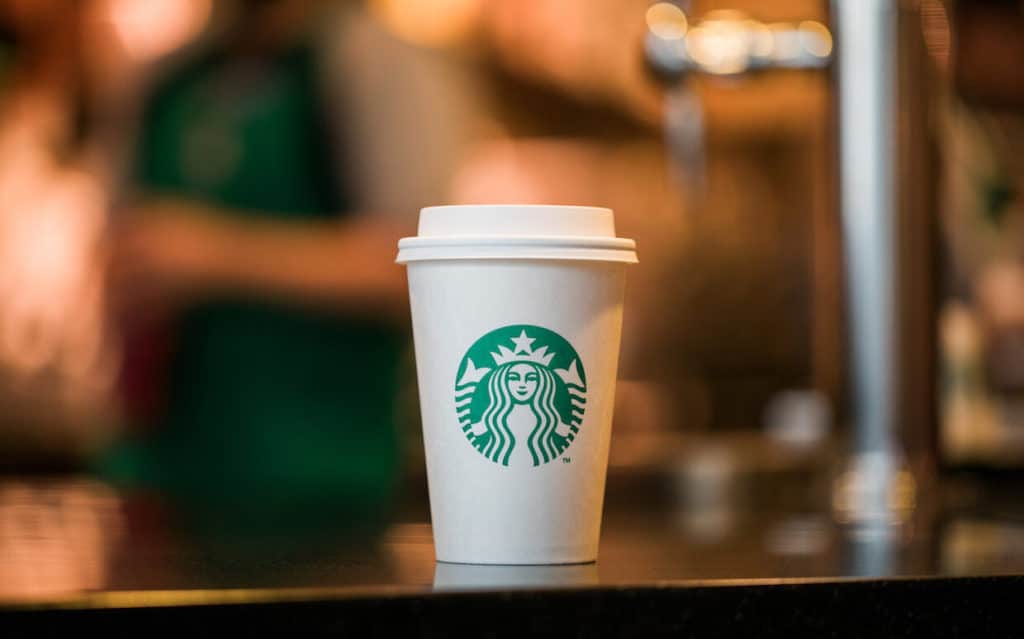
After the closure of all its locations in the U.S. and Canada, the company is moving to a new stage, and some establishments may start accepting orders.
Starbucks, already experienced in closing and then gradually opening restaurants in China, has adopted a tactic that the brand management briefly describes as “monitoring and adapting.” All cafes in the U.S. and Canada are now closed to the public, with only pick-up and delivery services available. But gradually, focusing on the orders of the authorities in individual states, some establishments will open the possibility of ordering skillfully.
This will gradually begin the introduction of restaurants in full operation mode. Then, as the environment improves, and you get a permit to open, Starbucks establishments will be able to start operating without delay. According to the experience gained in China, the first to open establishments will be in regions where the situation with the coronavirus is the least severe. An individual decision will be made for each café, based on both the orders of the authorities in the region and the sentiment of the local community and the readiness of the individual location to start full-scale operation.
Closing of restaurants was planned for two weeks, but later it was extended until May 3. It is noted that in the last week of March alone, sales at Starbucks restaurants in the U.S. fell by 60-70%. It is expected that according to the results of the second quarter, which will be published on April 28, the company’s profit will be halved.
Gross margins and selected profit metrics for Coach, Pop Mart, lululemon, Miniso, Five Below, TJX and Costco, plus where each…
NikeSKIMS, Birkenstock and Starbucks Reserve chose HKRI Taikoo Hui for major China debuts. Why the Shanghai complex keeps winning new…
Bluewater opens its first new anchor since 1999. Next takes the former House of Fraser space with about 132,000 square…

Opening in IMAX 70mm on July 17, 2026: Christopher Nolan's The Odyssey. Select shows went on sale one year in…

European retail is scaling AI, agentic commerce and retail media, but consumer trust is becoming the constraint. Four structural shifts…
Mall operators are no longer leasing space for pop-ups. They are selling audience access.
