
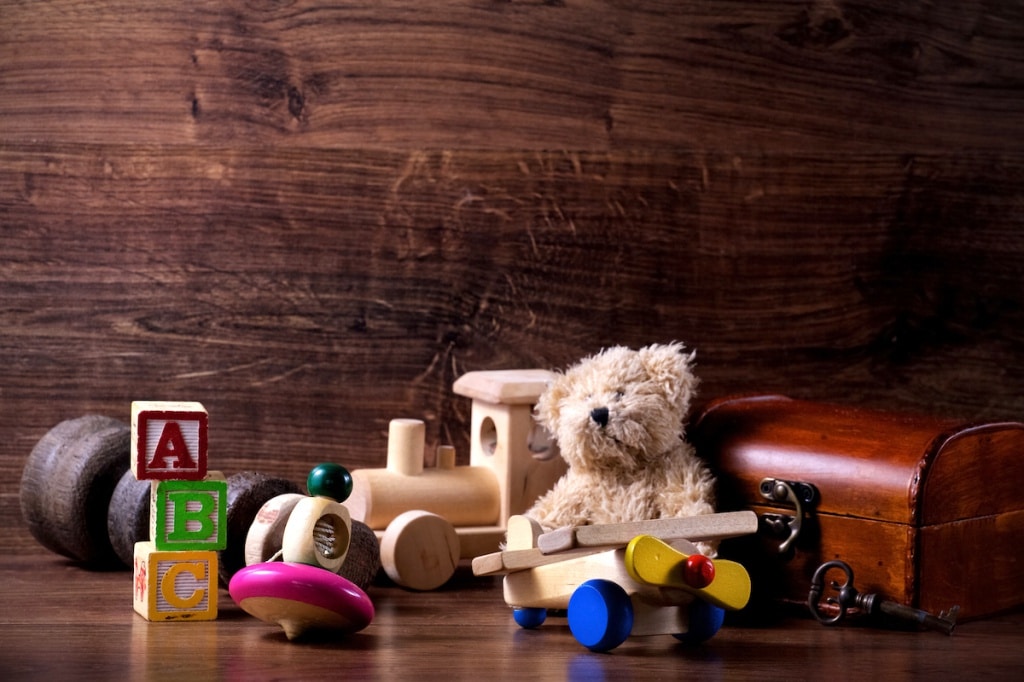
Despite the spike in toy sales worldwide caused by the pandemic, small stores are on the verge of surviving a devastating pandemic.
By staying at home most of the time, buyers around the world have significantly changed their habits. In particular, there has been an increase in sales of children’s toys and entertainment, which are bought up by parents on a massive scale to occupy homes bored of children.
According to the research company NPD Group, in September, toy sales grew by 19%. The coming holiday season promises even more growth. However, not all sellers of such products will feel the increased demand. While the large e-commerce market players fully exploit the winnings of the moment, small toy stores are on the verge of survival.
According to Womply, a company that provides software platforms for small businesses, toy sales for small stores from mid-March to October decreased by 26% compared to 2019. And though the New Year’s Eve season typically accounts for about a quarter of tiny toy stores’ annual revenue, by 2020, sales could fall significantly.
The problem for small stores in the U.S. and other countries worldwide is that they are often modest in size. Due to the need to comply with the norms of social distance, such shopping spaces cannot accommodate many customers at the same time. This year the various activities for children, which are traditionally a way to attract visitors, have been canceled. Also, many small traders have noted delivery delays, as well as other problems with suppliers.
We should not forget about additional expenses for stores related to coronavirus, including installing plexiglass barriers at the cash registers, purchasing other disinfectants, and hiring employees to ensure compliance with the restrictions for customers on the premises. Smaller stores are also discouraged because they do not have a sophisticated application, delivery services, or other convenient customer tools.
Simultaneously, large online retailers, such as Amazon, do not have these issues. For them, the time when parents buy gifts for the holidays may be the hottest. Competition for small stores is driven by large chains such as Walmart, Target, and Costco, which have not been closed during quarantine and have a much more robust technical base.
Photo credit: depositphotos.com.
Gross margins and selected profit metrics for Coach, Pop Mart, lululemon, Miniso, Five Below, TJX and Costco, plus where each…

NikeSKIMS, Birkenstock and Starbucks Reserve chose HKRI Taikoo Hui for major China debuts. Why the Shanghai complex keeps winning new…
Bluewater opens its first new anchor since 1999. Next takes the former House of Fraser space with about 132,000 square…

Opening in IMAX 70mm on July 17, 2026: Christopher Nolan's The Odyssey. Select shows went on sale one year in…

European retail is scaling AI, agentic commerce and retail media, but consumer trust is becoming the constraint. Four structural shifts…

Mall operators are no longer leasing space for pop-ups. They are selling audience access.
