
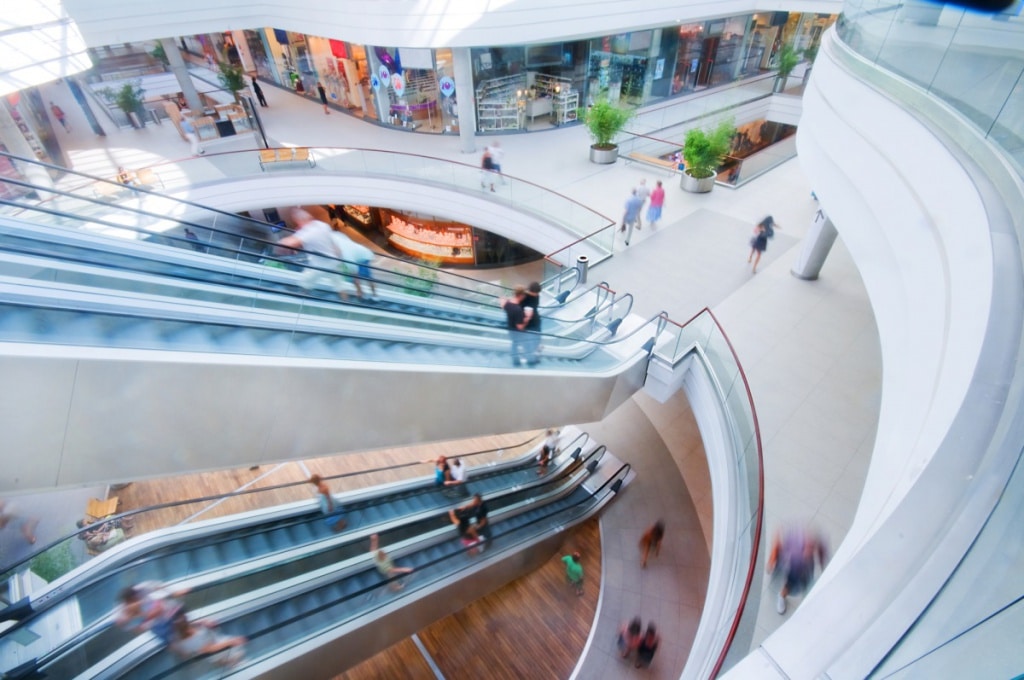
The rate of traffic recovery in U.S. malls is rapidly increasing, getting closer and closer to pre-quarantine levels.
Following the U.S. Centers for Disease Control and Prevention (CDC) announcement that masks and social distancing are no longer necessary for vaccinated people, mall traffic in the country has begun to increase rapidly. What’s more, there is already speculation that traffic could return to May 2019 levels by mid-summer.
According to a survey conducted by analytics company Sensormatic Solutions between mid-February and mid-March this year, shoppers have become more confident about their safety. In a similar study last April, 29 percent of respondents said they were very concerned about their health, but this year only 13 percent of respondents said they were.
Sensormatic analyzes current traffic by comparing it to 2019 levels (i.e., pre-pandemic levels), a more reliable comparison than spring 2020 when almost all U.S. malls were closed. According to the company, this provides an “accurate reflection of retail development.”
During the ongoing research, it was found that from the end of the 2020 holiday season to mid-March 2021, mall traffic was 42 percent lower compared to the same period in 2019. But between mid-March and May 12, mall traffic was already only 24% lower than in 2019.
Also, according to Sensormatic, open-air malls are recovering faster than conventional malls. Their traffic from the beginning of the year through mid-March was 29% lower than in 2019, but by May, it had already declined 18%. In other words, traffic is recovering quickly.
A similar picture exists in reports from another analyst firm, Placer.ai, which said in its latest statement that it sees “strong growth momentum” in traffic at U.S. malls. According to the company, attendance at the nation’s top malls in March was 24 percent below the same period in 2019. In April, that number dropped to 18.7% compared to April 2019.
According to the Placer.ai report, the improvement in April 2021 attendance was the strongest since the pandemic began. It is another sign that the retail recovery has already started. The pace of this improvement is expected to continue this month and throughout the summer.
It should be noted that mall traffic began declining long before the pandemic, which was a concern for mall owners. Now, however, they’re happy to see attendance return to 2019 numbers.

European retail is scaling AI, agentic commerce and retail media, but consumer trust is becoming the constraint. Four structural shifts…
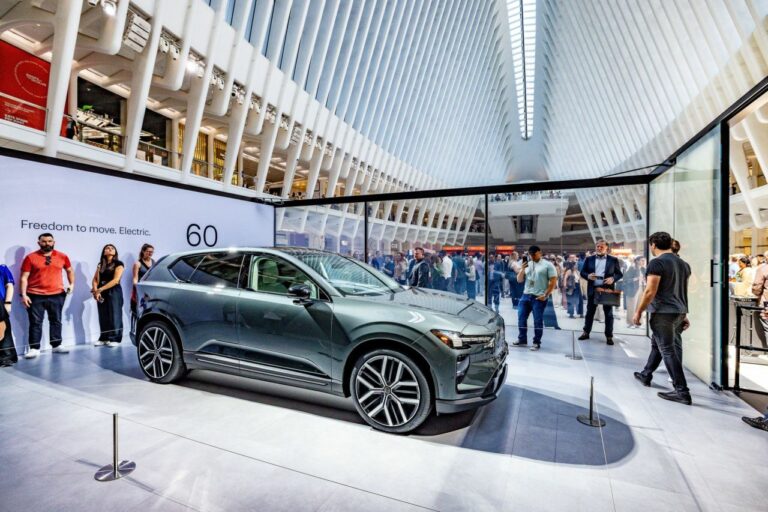
Mall operators are no longer leasing space for pop-ups. They are selling audience access.
Physical stores still drive most retail sales, fulfill online orders, support AI shopping, and help brands return to market.
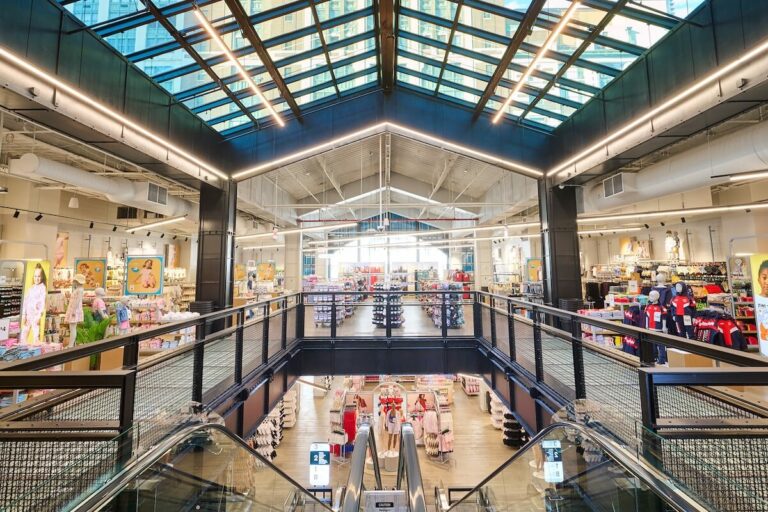
A practical guide to nine mall tenant formats in 2026, from flagships and pop-ups to anchor redevelopment and mixed-use retail.
1,051 of 1,173 US malls hold zero ultra-luxury brands. Half of all Cartier, Chanel, Hermès, and Louis Vuitton mall stores…
Every physical expansion decision starts with the same question: where does the store go?
Verified signals on brand expansion, store openings, and mall development. Free.
Free · No credit card · Unsubscribe any time
