
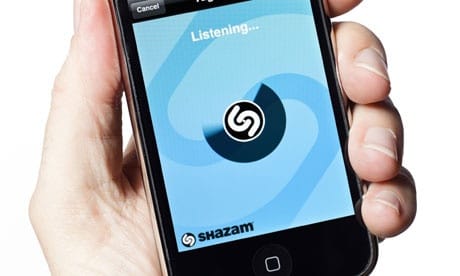
Shazam, the popular music ID app is due to expand into retail.
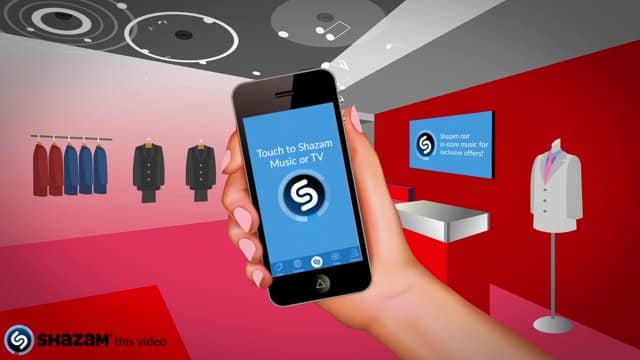
The company is planning to use its technology to identify songs that play which will aid customers in obtaining information about the products they view inside stores.
Presently, users are able to use the app in the identification of music and television. Once identification has taken place, the app redirects the user to a link which can be used to purchase the song or the show. Its entry into retail will allow shoppers to obtain information about the products on the shelves they pass. For example, it could provide nutritional facts and recipes for products in a grocery store.
The company has already succeeded in physical retail during 2014. Its partnership with the Adspace Digital Mall Network allowed the app to deliver coupons to the phones of shoppers and assist in particular purchases. It also created an interactive experience for people passing a billboard or sign. This has prompted the company to target giving consumers access to ads they may come across in real life, fr om TV to magazine ads. This means that if a spot is Shazam-enabled, the app will continue wh ere the ad stops. So if a user sees a vehicle ad, the app will offer them an interactive tour of the vehicle, arrange a visit to the dealer, and arrange a test drive.
The company’s desire to enable product recognition means it will become more involved in the retail world. This will boost the marketing and partnership opportunities for the group. The group has already built many partnerships, including ones with Microsoft’s Windows phone, Facebook’s ad network and Home Depot. Its app will also be available on the Apple Watch, which is due for release during April.
Currently, Shazam matches around 20 million songs on a daily basis and it is able to predict what will appear on the Billboard Chart three weeks in advance.
This app may well become something people will rely upon to predict the popularity of specific products. It may aid advertisers in tracking reception to their ads by viewers.
Shazam has endless possibilities and may well change our method of shopping in the future.
European retail is scaling AI, agentic commerce and retail media, but consumer trust is becoming the constraint. Four structural shifts…
Mall operators are no longer leasing space for pop-ups. They are selling audience access.
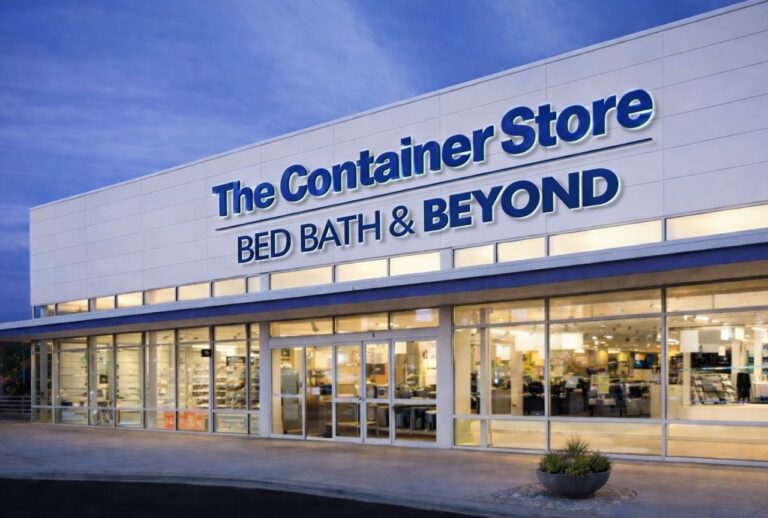
Physical stores still drive most retail sales, fulfill online orders, support AI shopping, and help brands return to market.
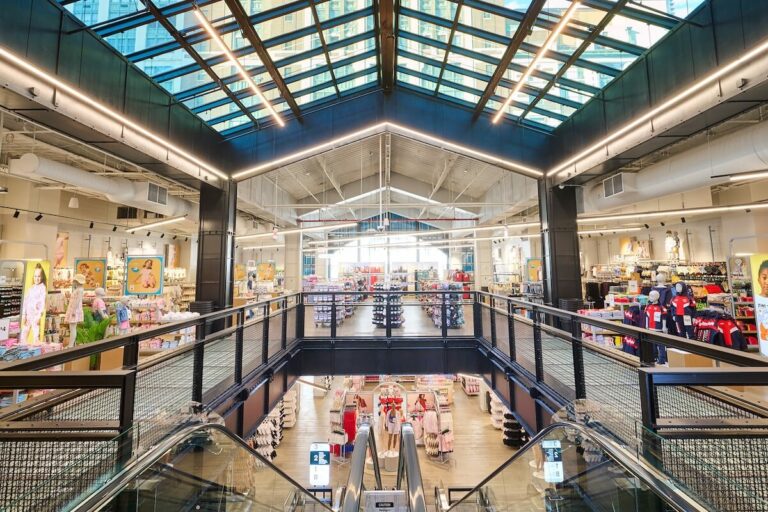
A practical guide to nine mall tenant formats in 2026, from flagships and pop-ups to anchor redevelopment and mixed-use retail.
1,051 of 1,173 US malls hold zero ultra-luxury brands. Half of all Cartier, Chanel, Hermès, and Louis Vuitton mall stores…
Every physical expansion decision starts with the same question: where does the store go?
Verified signals on brand expansion, store openings, and mall development. Free.
Free · No credit card · Unsubscribe any time
