

In spite of recent improvement in the British retail sector, North and South of Foggy Albion present sharp contrast regarding the shop vacancy rate.
Retail store closures have gone down to 13.9% setting a record low index since July, 2010 judging by the most recent input from the Local Data Company (LDC). The fall down of this size is a positive improvement after figures of 14.6% released in February 2012, resulting from growing economy and broad support for town centers, The Guardian says.
But “the black sheep in the family” syndrome has seized the north-east and north-west that are witnessing extreme rates of street shutdowns, belonging to the group of seven least attractive places for retail closure numbers. Eccles, Bootle, Stockton-on-Tees, Bolton, and Hartlepool comprise the list of the top underachievers. Having demonstrated significant boost in the small business sector the previous year, town of Morecambe holds the first slot among the areas with the highest rate of retail vacancies.
London comes as the best location for the new businesses to start and for old to stay in operation, leaving far behind the north-west that has seen the closures of the variety of retailers and service providers, including grocery shops, cafes and hair salons.
So, is it worth opening any business in Great Britain? Yes, if it is in one of those small towns with lucrative 9% in the shop vacancy category. On average, suburbs with fewer than 200 retail sites has better chances of performing more securely in regards to facing the risk of being shut down due to low sales numbers or other corresponding factors. Out of town places have showed 8.9% of vacancy rate but the situation is not promising since the closures are growing.
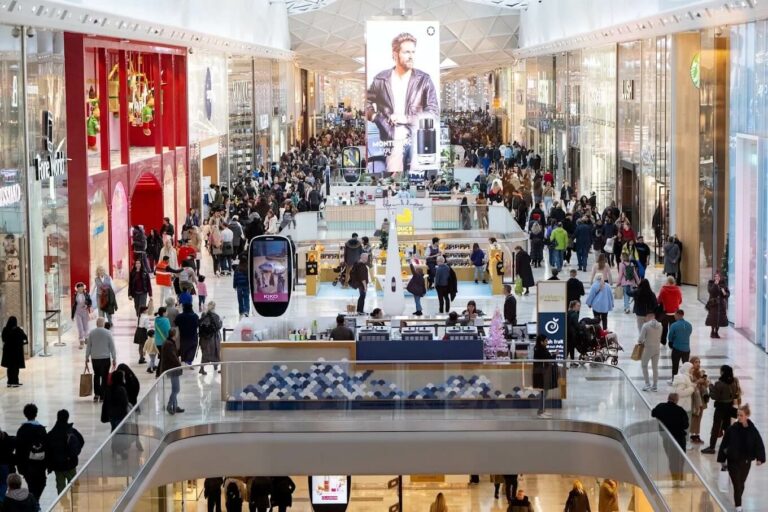
Bluewater opens its first new anchor since 1999. Next takes the former House of Fraser space with about 132,000 square…
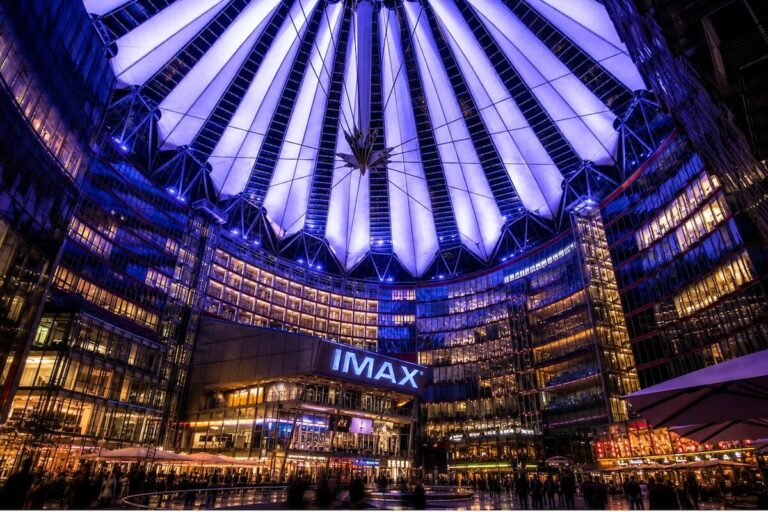
Opening in IMAX 70mm on July 17, 2026: Christopher Nolan's The Odyssey. Select shows went on sale one year in…

European retail is scaling AI, agentic commerce and retail media, but consumer trust is becoming the constraint. Four structural shifts…

Mall operators are no longer leasing space for pop-ups. They are selling audience access.
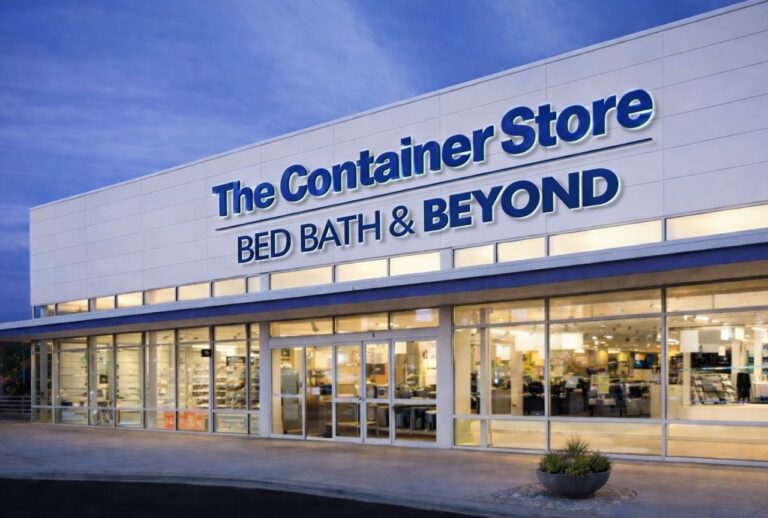
Physical stores still drive most retail sales, fulfill online orders, support AI shopping, and help brands return to market.
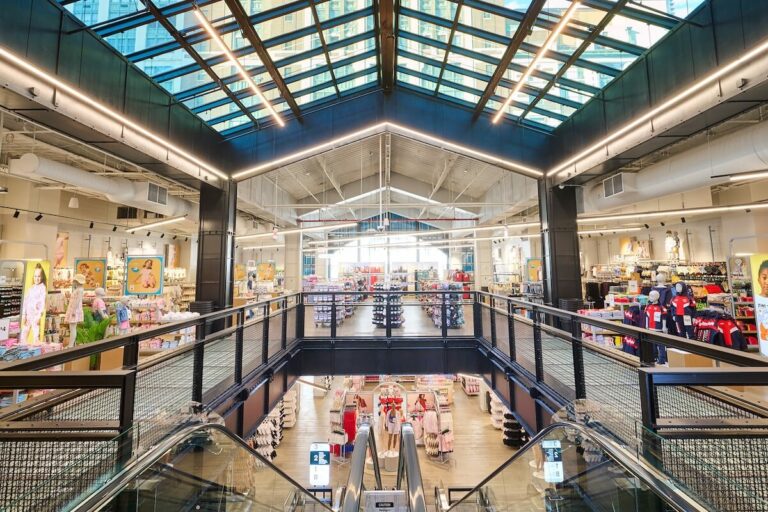
A practical guide to nine mall tenant formats in 2026, from flagships and pop-ups to anchor redevelopment and mixed-use retail.
Verified signals on brand expansion, store openings, and mall development. Free.
Free · No credit card · Unsubscribe any time
