
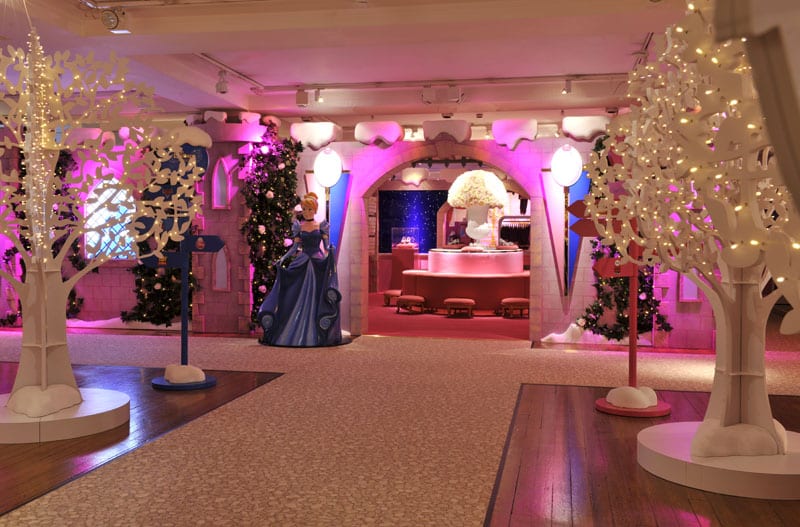
Retail-tainment can be seen as the addition of experiences and entertainment to retail.
Although this trend started a while back, the economic recession has boosted the number of ways malls are trying to attract the New Consumer. New Consumers are placing less focus on buying things, and reducing their spending. An over-supply of retail space has also promoted this concept. In the US, this amounts to 23 sq ft of mall space and 46 sq ft of retail space per person, compared to 2.3 sq ft of mall space per capita in 27 European countries. Not a single European country exceeds 7 sq ft.
Department stores have lost their attraction to shoppers and are responsible for only 25% to 30% of overall mall traffic, which was at 70% during the 1980s.
This has pushed malls to add entertainment and other experiences to their retail mix in a bid to attract shoppers.
One of the malls that are following this route is Grapevine Mills Mall in Dallas-Fort Worth in Texas. It is adding a 10000 sq ft mini golf course made with Lego. The existing entertainment anchors at the mall include Polar Ice House, a skate park, an AMC theatre and Gameworks.
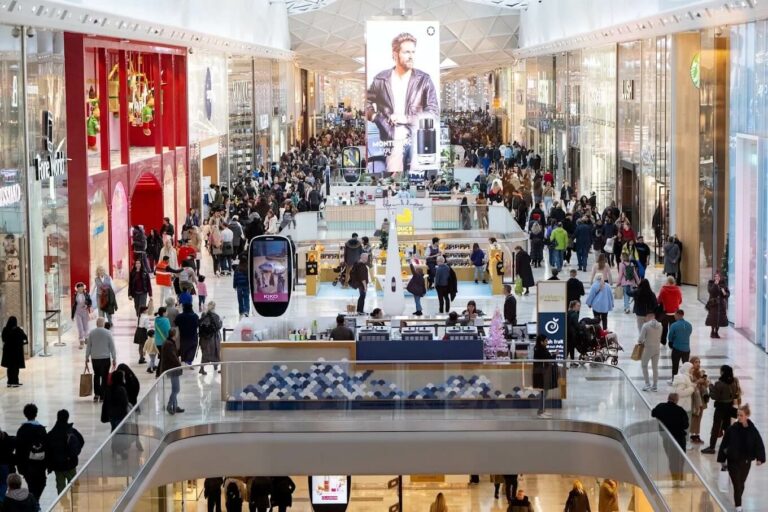
Bluewater opens its first new anchor since 1999. Next takes the former House of Fraser space with about 132,000 square…
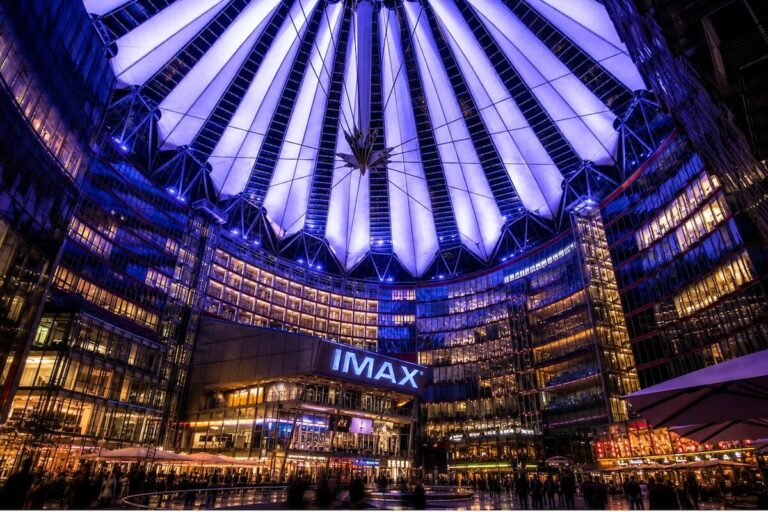
Opening in IMAX 70mm on July 17, 2026: Christopher Nolan's The Odyssey. Select shows went on sale one year in…

European retail is scaling AI, agentic commerce and retail media, but consumer trust is becoming the constraint. Four structural shifts…
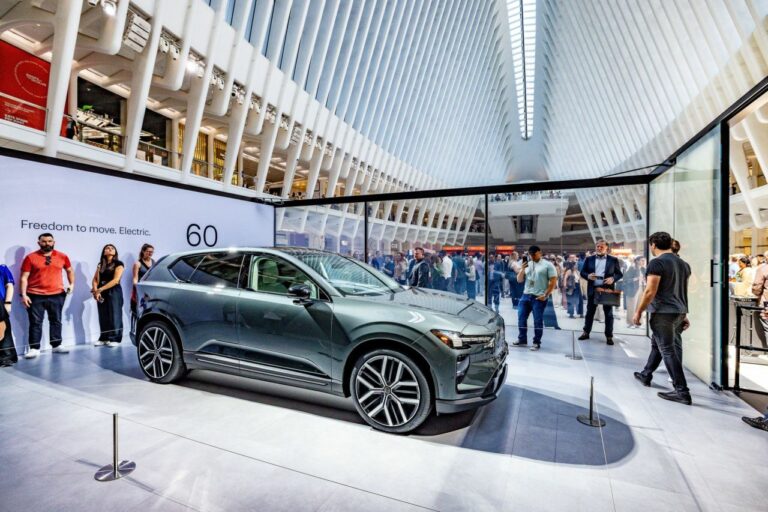
Mall operators are no longer leasing space for pop-ups. They are selling audience access.
Physical stores still drive most retail sales, fulfill online orders, support AI shopping, and help brands return to market.
A practical guide to nine mall tenant formats in 2026, from flagships and pop-ups to anchor redevelopment and mixed-use retail.
Verified signals on brand expansion, store openings, and mall development. Free.
Free · No credit card · Unsubscribe any time
