Research by R3 has shown a decline in the risk of business failure in top retail and hospitality sectors in East Anglia.
The strongest performers in February and March were general retail, pubs and hotels. Each sector saw a decline in insolvency risk.
R3 stated that although a big number of businesses are walking a fine line between survival and insolvency, the reported figures are encouraging. It should improve over the next few months due to an increase in regional investment and a national GDP growth.
R3 uses research from Bureau Van Dijk’s ‘Fame’ database. It uses company information to track businesses in regional sectors with an increased risk of insolvency during the next 12 months.
The positive picture of the economic climate in the region is also shown in R3’s Business Distress Index, which maintains charts of company performance in this region.
Research shows that 82% of the businesses in the region have had a minimum of one main growth area. Around 59% of East of England businesses show an increase in sales, while 51% had increased profits. Around 40% planned expansion of their business and 36% were in the process of growing market share.
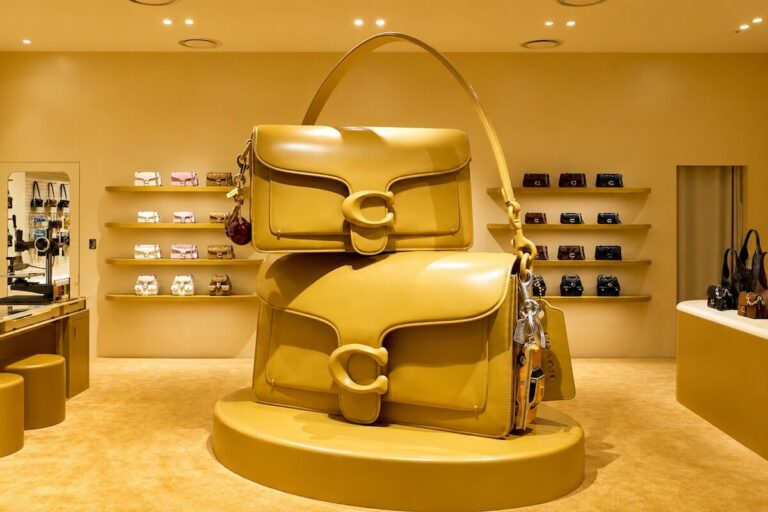
Gross margins and selected profit metrics for Coach, Pop Mart, lululemon, Miniso, Five Below, TJX and Costco, plus where each…
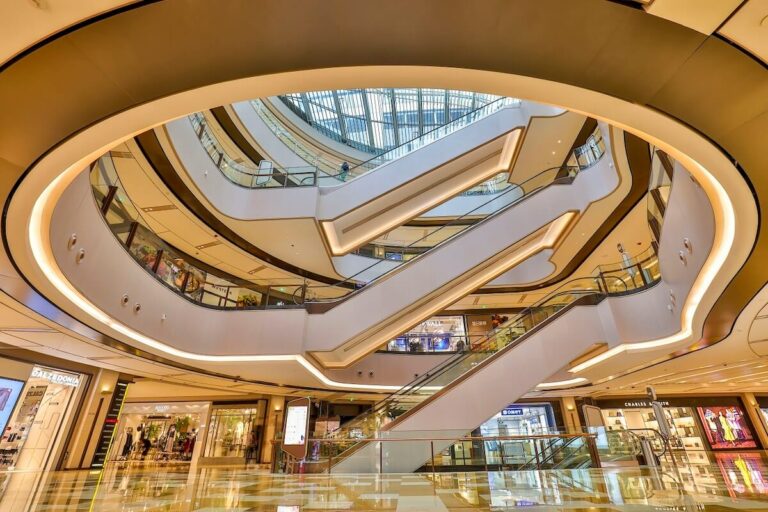
NikeSKIMS, Birkenstock and Starbucks Reserve chose HKRI Taikoo Hui for major China debuts. Why the Shanghai complex keeps winning new…
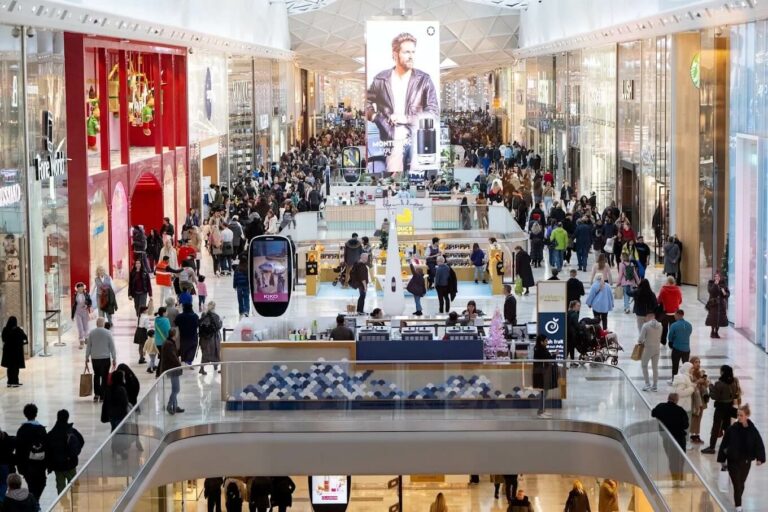
Bluewater opens its first new anchor since 1999. Next takes the former House of Fraser space with about 132,000 square…

Opening in IMAX 70mm on July 17, 2026: Christopher Nolan's The Odyssey. Select shows went on sale one year in…

European retail is scaling AI, agentic commerce and retail media, but consumer trust is becoming the constraint. Four structural shifts…

Mall operators are no longer leasing space for pop-ups. They are selling audience access.