

CapitaMalls Malaysia Trust (CMMT) is set to purchase the Tropicana City Mall for around RM540m.
A conditional purchase and sale agreement has been entered into between AmTrustee Bhd, on behalf of CMMT and Tropicana City Sdn Bhd.
The property consists of a 12-storey office block, the Tropicana City office tower, a four-storey shopping center, the Tropicana City Mall, as well as four levels of car park space totaling 1759 bays. The mall has a net leasing area of 448248 sq ft. It was opened during December 2008, with a committed tenancy rate of 89.2% as at January 15, 2015.
The office tower has a net leasing area of 101246 sq ft and was opened during November 2009. It is currently fully occupied.
This purchase should boost the real estate investments of CMMT. Upon completion of the acquisition, its property asset value will be boosted by 16.7%, to reach around RM3.8bn. This will boost its future growth and increase its visibility among international and Malaysian investors alike.
The purchase is intended to be funded via debt and/or equity funds. The risk factors to be considered are that competition from other properties and between retailers may have a negative effect on the company’s operations. A potential decrease in the occupancy rate, gross rental revenue and property value could impact on the results of the company’s operations and financial status.
CMMT is dependent on external funding for the acquisition and this could affect its ability to pay distributions. CMMT’s current gearing, according to its last audited financial statements, dated December 31, 2013, stood at 28.8% and if the purchase was to be funded in its entirety by debt, the gearing could increase to 39.5%.
This level of gearing could stunt their ability to obtain further borrowings and this could make the company more vulnerable to increases in interest rates.
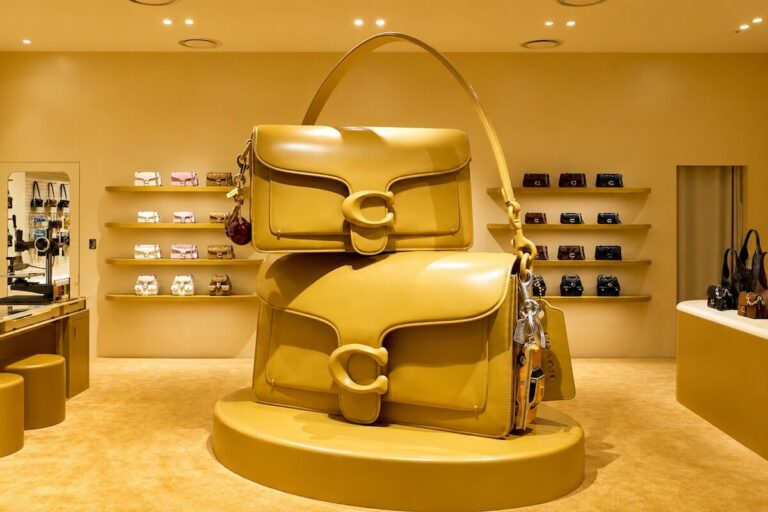
Gross margins and selected profit metrics for Coach, Pop Mart, lululemon, Miniso, Five Below, TJX and Costco, plus where each…
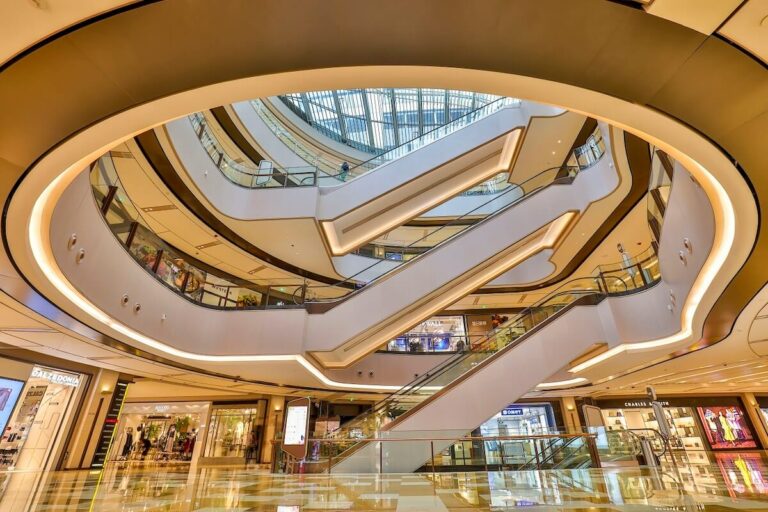
NikeSKIMS, Birkenstock and Starbucks Reserve chose HKRI Taikoo Hui for major China debuts. Why the Shanghai complex keeps winning new…
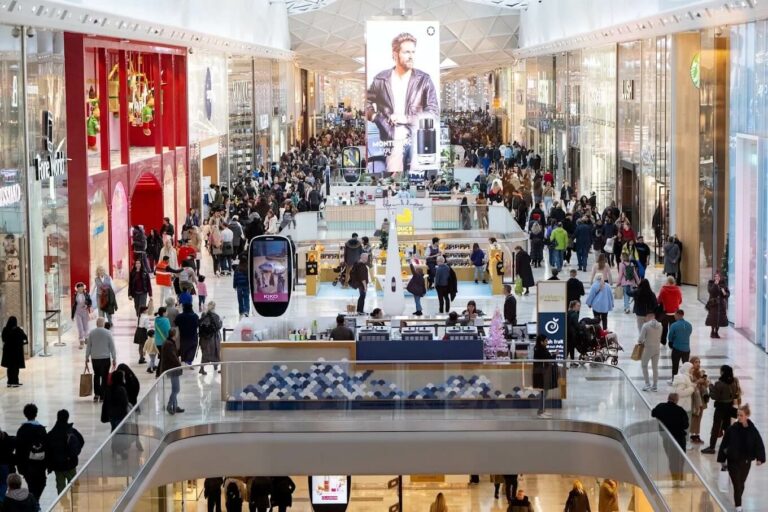
Bluewater opens its first new anchor since 1999. Next takes the former House of Fraser space with about 132,000 square…
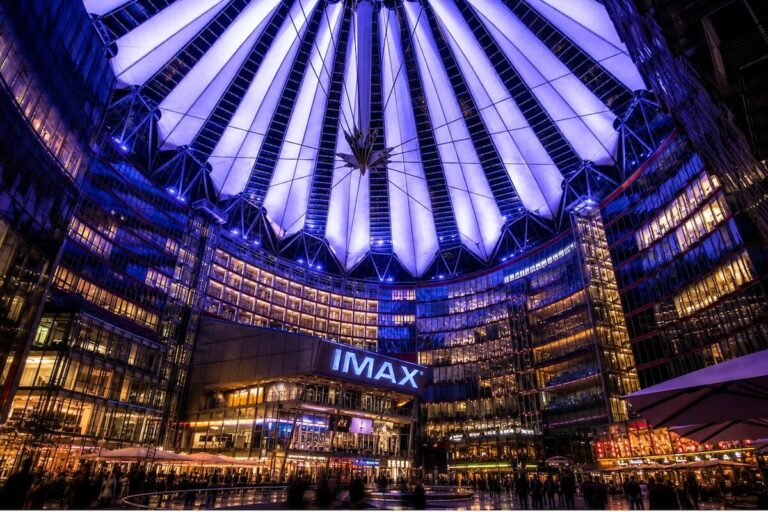
Opening in IMAX 70mm on July 17, 2026: Christopher Nolan's The Odyssey. Select shows went on sale one year in…

European retail is scaling AI, agentic commerce and retail media, but consumer trust is becoming the constraint. Four structural shifts…

Mall operators are no longer leasing space for pop-ups. They are selling audience access.
