
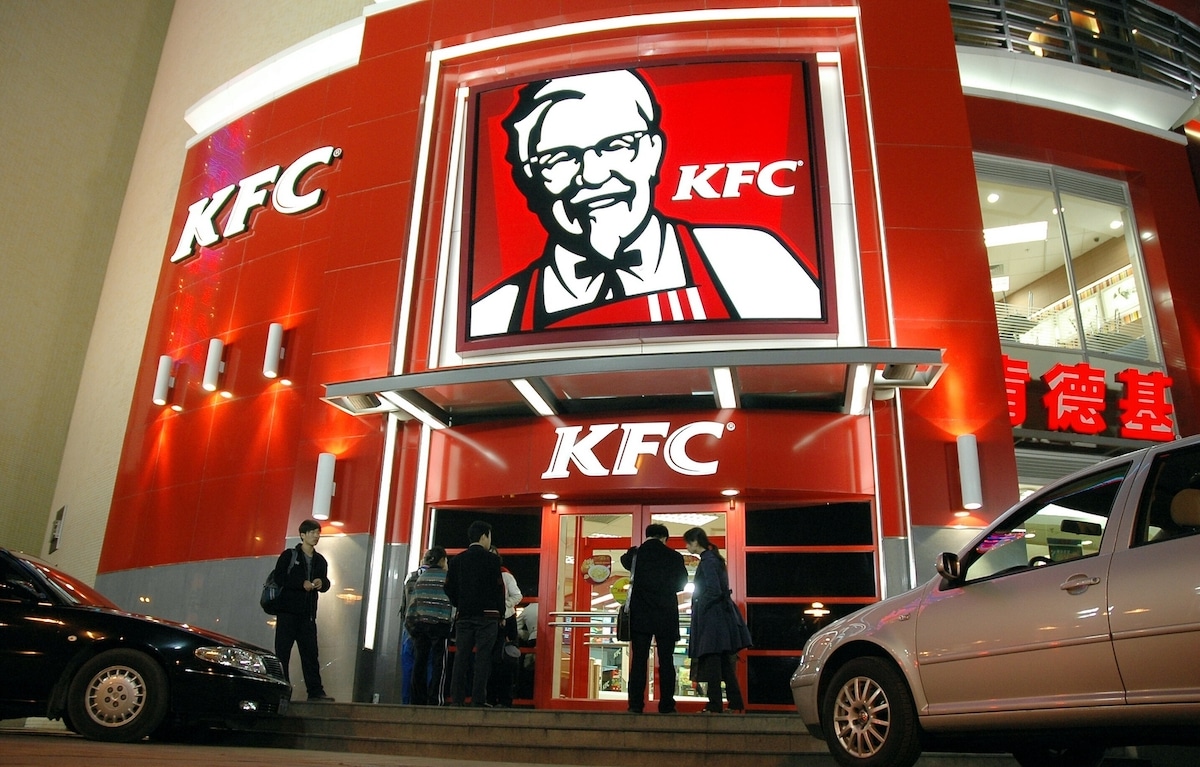
Although restaurant operations have been suspended in many countries, the U.S. divisions of popular restaurant chains report revenue growth.
Yum! Brands, the owner of such famous fast-food restaurant chains as KFC, Pizza Hut, Taco Bell, and several others, has summed up the financial results of the first quarter of 2021. The results are relatively high and even exceeded expectations voiced earlier by experts from Wall Street.
The company’s revenue was $1.49 billion, showing growth of 18%, while the forecast was $1.45 billion. And Yum! Brands’ net income rose to $326 million in the first quarter of its fiscal year, up from a much more modest $83 million in the same period a year earlier. The significant increase compared to the first quarter of 2020 is also because it was a period when the negative impact of the pandemic. The COVID-19 restriction had already begun to affect the number of visitors to restaurants.
It is reported that the networks KFC, Taco Bell, and Pizza Hut showed significant growth in sales in the U.S. in the first quarter. However, as for the outlets of these brands in other countries, customers are in no hurry to return to previous levels of shopping. That said, the company opened 435 new restaurants of different brands around the world during the quarter.
A significant share of sales came from the fast-growing online restaurant ordering market, which was booming during the pandemic. During the first quarter, Yum! Brands has made two significant acquisitions of technology startups whose technology is designed to simplify digital interactions with customers.
The development of startup Tictuk, acquired by the company, allows customers to order food without leaving social networks and messengers. The result of startup Kvantum based on artificial intelligence technology is used to obtain information about consumers and analyze marketing effectiveness.
Photo credit: depositphotos.com.

European retail is scaling AI, agentic commerce and retail media, but consumer trust is becoming the constraint. Four structural shifts…
Mall operators are no longer leasing space for pop-ups. They are selling audience access.
Physical stores still drive most retail sales, fulfill online orders, support AI shopping, and help brands return to market.
A practical guide to nine mall tenant formats in 2026, from flagships and pop-ups to anchor redevelopment and mixed-use retail.
1,051 of 1,173 US malls hold zero ultra-luxury brands. Half of all Cartier, Chanel, Hermès, and Louis Vuitton mall stores…

Every physical expansion decision starts with the same question: where does the store go?
Verified signals on brand expansion, store openings, and mall development. Free.
Free · No credit card · Unsubscribe any time
