
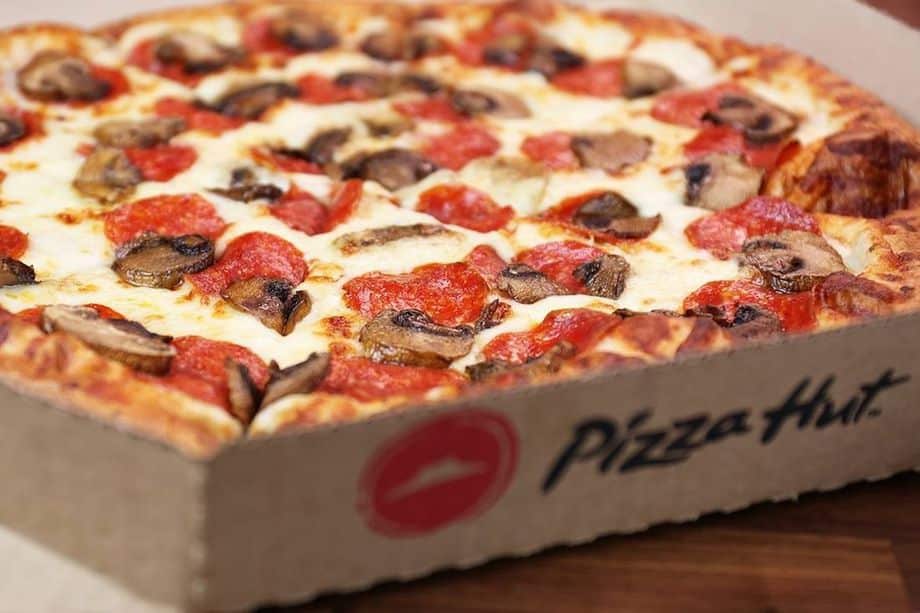
Pizza Hut said it intends to expand its menu to include the fast-growing Detroit-style pizza, which has become very popular in the United States.
Detroit-style pizza is characterized by its rectangular shape, thick crust, cheese from edge to edge, and tomato sauce covering the cheese and other toppings. The popularity of this dish in the U.S. has increased significantly in recent years. Many local pizza chains have begun to introduce it to their menus urgently. The first national chain to bring the masses’ trend in 2013 was Little Caesars, privately owned and headquartered in Detroit.
It is claimed that the Detroit-style pizza originated 75 years ago. It was first introduced to consumers by the Buddy’s Pizza chain, which used rectangular pans made of blue steel from local auto plants for cooking. By then, the new type of pizza was not widespread, remaining more of a local landmark. Buddy’s pizza still exists today. In 2018 even managed to get some unspecified amount of money to increase the number of restaurants from private equity firm CapitalSpring, which specializes in restaurant brands and franchises.
“Detroit pizza is the fastest-growing pizza trend; it’s not just a Midwest product anymore,” says David Graves, a chief brand officer of Pizza Hut USA. He says Pizza Hut customers are waiting for the chain to present its take on these food trends.
The chain has spent more than a year creating its version and has even made a new tomato sauce to be used only for this pizza type. The coronavirus pandemic has increased demand for pizza. The chain believes now is the best time to launch a new product. The country’s largest pizza chains are reporting an increase in delivery orders in the second and third quarters of 2020.
The stock price of Yum! Brands, Inc., which, in addition to Pizza Hut, also owns the KFC and Taco Bell chains, has changed little in the past year, bringing its market value to $31.8 billion. Its U.S. branches recovered relatively quickly from the shocks caused by the coronavirus pandemic. Still, its international restaurants are recovering more slowly.

European retail is scaling AI, agentic commerce and retail media, but consumer trust is becoming the constraint. Four structural shifts…
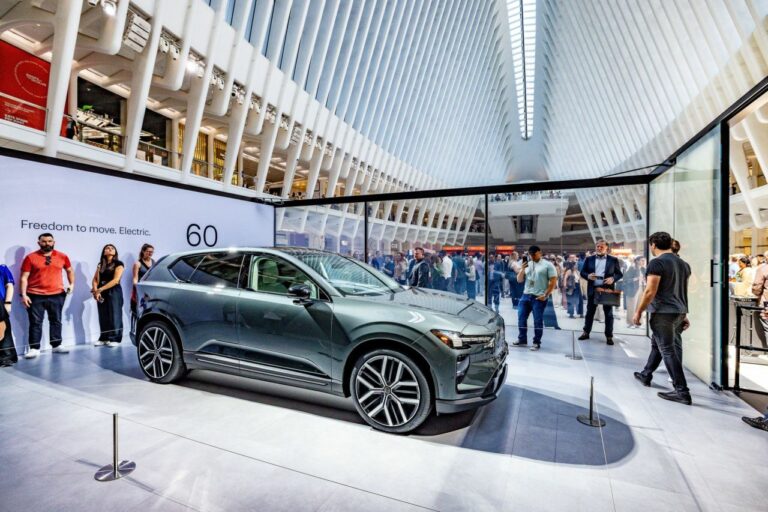
Mall operators are no longer leasing space for pop-ups. They are selling audience access.
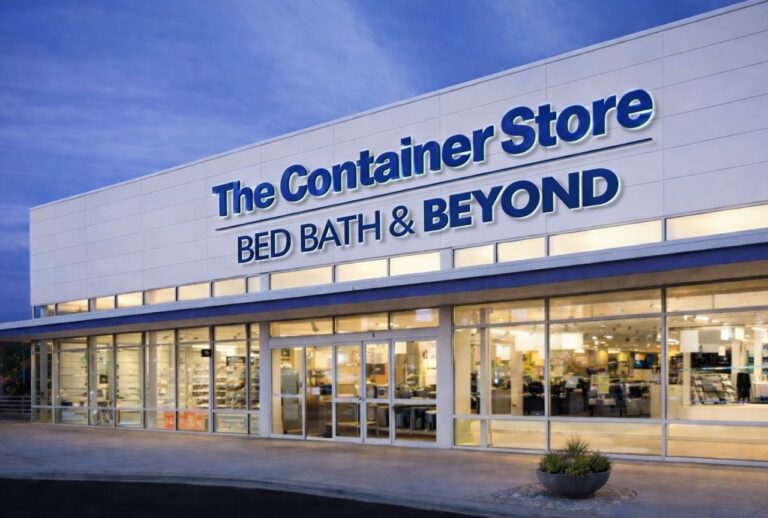
Physical stores still drive most retail sales, fulfill online orders, support AI shopping, and help brands return to market.
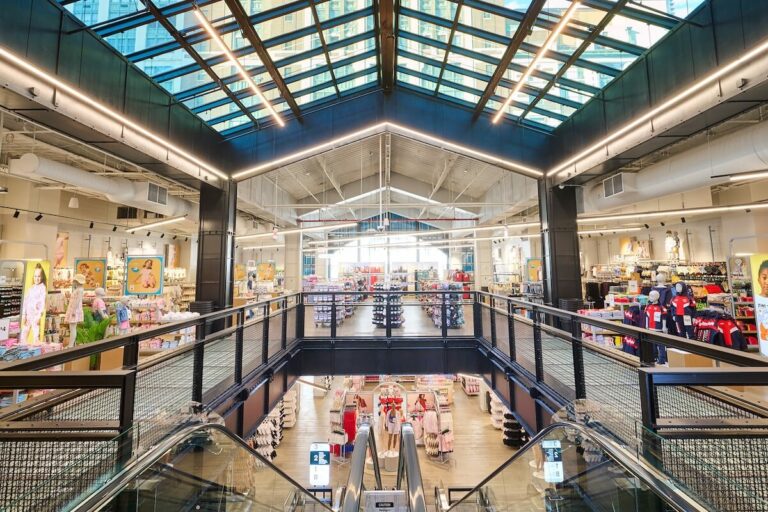
A practical guide to nine mall tenant formats in 2026, from flagships and pop-ups to anchor redevelopment and mixed-use retail.
1,051 of 1,173 US malls hold zero ultra-luxury brands. Half of all Cartier, Chanel, Hermès, and Louis Vuitton mall stores…

Every physical expansion decision starts with the same question: where does the store go?
Verified signals on brand expansion, store openings, and mall development. Free.
Free · No credit card · Unsubscribe any time
