
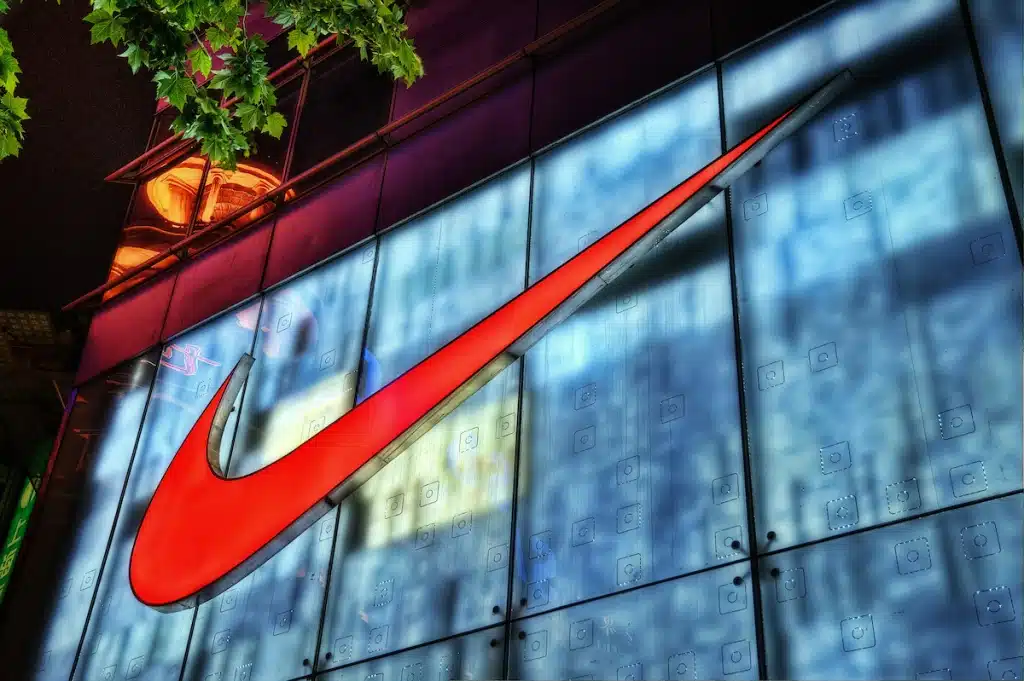
The new Nike Live store opened in Oregon, becoming the fourth location in the new format after stores in Los Angeles, Tokyo, and New York.
Nike continues to develop a new sales concept, exploring ways of interacting directly with the buyer and gradually abandoning the wholesale ways of selling products. The fourth store Nike Live, created in the new format, opened in Eugene, Oregon. The place of store opening is not chosen by chance. Exactly in Eugene, the company, then called Blue Ribbon Sports, began its operations in 1964.
A distinctive feature of Nike Live is the close connection of the stores with the local community’s history and culture. The interior design and detailing of the new retail space reflects the brand’s history with the hometown. For example, shoppers can pick up a city map with marked running directions, which will indicate important locations for Nike, or buy souvenirs from the University of Oregon.
Also used in the design are historic photos and images of famous athletes and sporting events related to the city’s history. And the central space of the store will serve as a place for a variety of activities and meetings for everyone interested in a healthy lifestyle, including sports activities for children.
The assortment of Nike Live stores is also specially selected, taking into account residents’ needs. Each of these locations differs from the standard set of offers. Simultaneously, the new store promises to change the assortment every three weeks for the convenience of customers deployed and many modern services, such as the possibility of self-delivery of ordered items online or convenient delivery to the car. The company also focuses on a variety of digital services.
The brand tested the new concept in 2018 for the first time. According to the company’s official announcement, it plans to open about 200 stores of Nike Live format worldwide.
Photo credit: depositphotos.com.
Bluewater opens its first new anchor since 1999. Next takes the former House of Fraser space with about 132,000 square…
Opening in IMAX 70mm on July 17, 2026: Christopher Nolan's The Odyssey. Select shows went on sale one year in…
European retail is scaling AI, agentic commerce and retail media, but consumer trust is becoming the constraint. Four structural shifts…
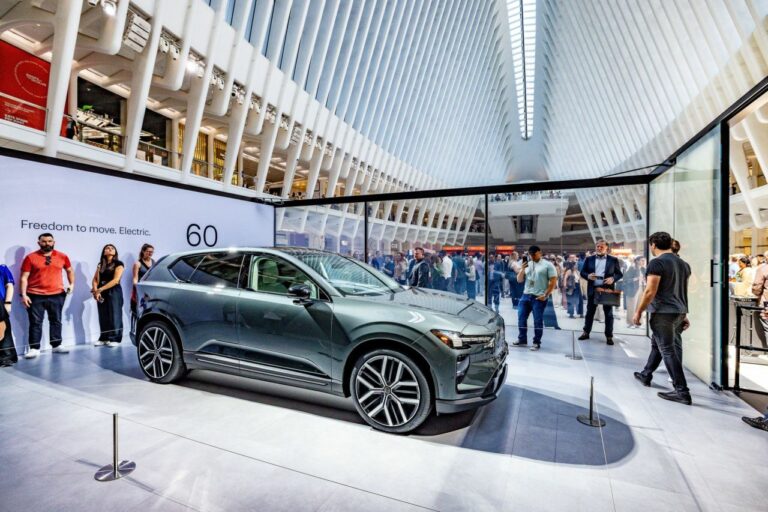
Mall operators are no longer leasing space for pop-ups. They are selling audience access.
Physical stores still drive most retail sales, fulfill online orders, support AI shopping, and help brands return to market.
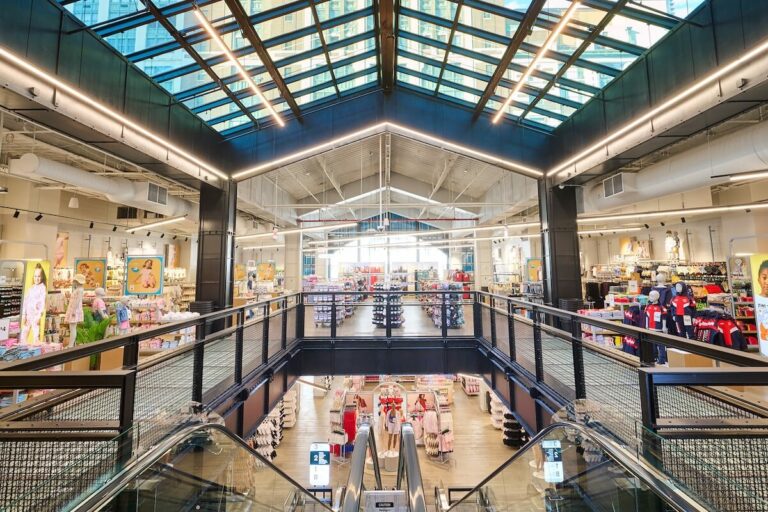
A practical guide to nine mall tenant formats in 2026, from flagships and pop-ups to anchor redevelopment and mixed-use retail.
Verified signals on brand expansion, store openings, and mall development. Free.
Free · No credit card · Unsubscribe any time
