
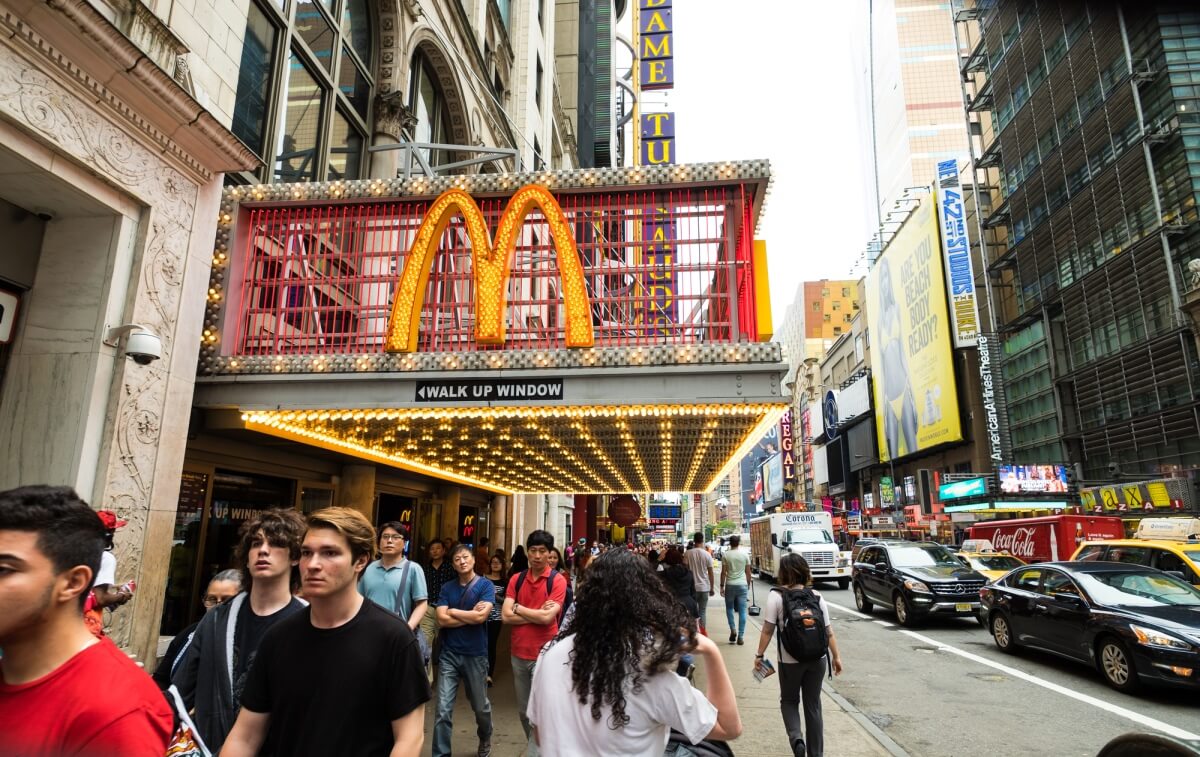
A transitional period for the service of visitors using QR codes begins on August 16.
The authorities of New York have decided to impose restrictions on visits to public catering enterprises (except for outdoor summer porches) and fitness clubs. Beginning on September 13, they will only serve visitors who have received at least one dose of the vaccine.
According to CNBC, New York City is becoming the first major U.S. city to restrict the rights of unvaccinated citizens. Authorities have also imposed a mandatory vaccination requirement on employees of food service companies, fitness centers, and other areas. The transition period for the service of visitors only by QR-codes starts to be effective from August 16.
Following New York City’s decision, San Francisco introduced its program of restrictions for unvaccinated residents. The authorities are obliging the employees of the enterprises that work with visitors to undergo complete vaccination and give two months for this. A similar plan is being developed in Los Angeles.
New York restaurants have frozen in anticipation of new guidelines from the authorities on recording the necessary information about visitors and expect a record drop in traffic and revenues. Market participants suggest that customers and restaurants will not have a clear picture of what is going on during the transition.
Questions also remain for citizens who cannot get vaccinated for religious beliefs or medical reasons. Many restaurants plan to retain employees by increasing wages and assigning bonuses. At the same time, the restaurant industry fears staff shortages due to mandatory vaccination requirements. The need to hire employees to verify proof of vaccination will put additional strain on the business. In addition, it has not yet been determined how restaurants will serve tourists who have been vaccinated in other countries but do not have a local QR code. Business owners cannot verify vaccination certificates from other countries, although Moderna, Pfizer, and Johnson & Johnson vaccines are officially recognized in the country.
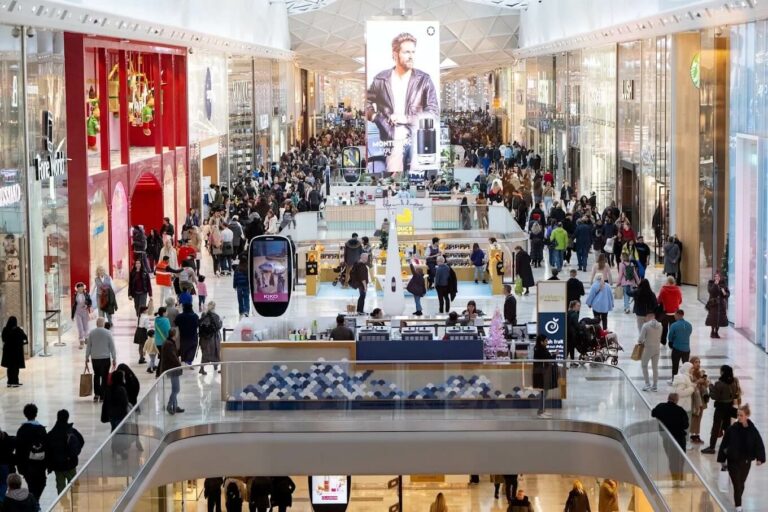
Bluewater opens its first new anchor since 1999. Next takes the former House of Fraser space with about 132,000 square…
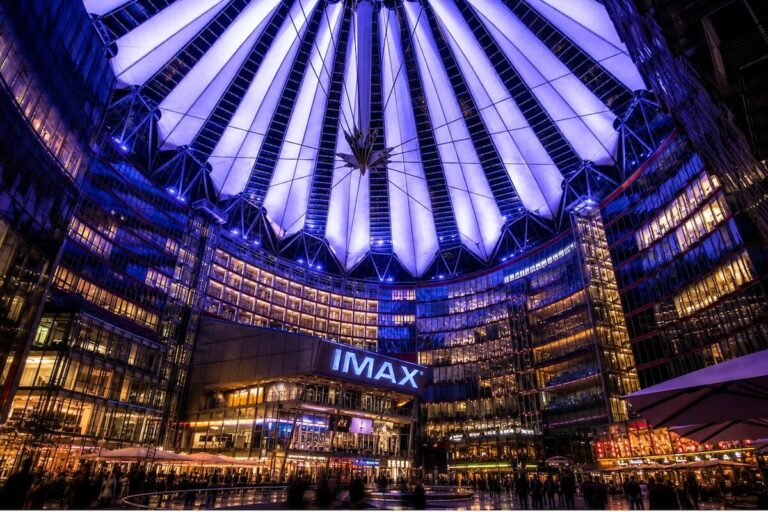
Opening in IMAX 70mm on July 17, 2026: Christopher Nolan's The Odyssey. Select shows went on sale one year in…

European retail is scaling AI, agentic commerce and retail media, but consumer trust is becoming the constraint. Four structural shifts…
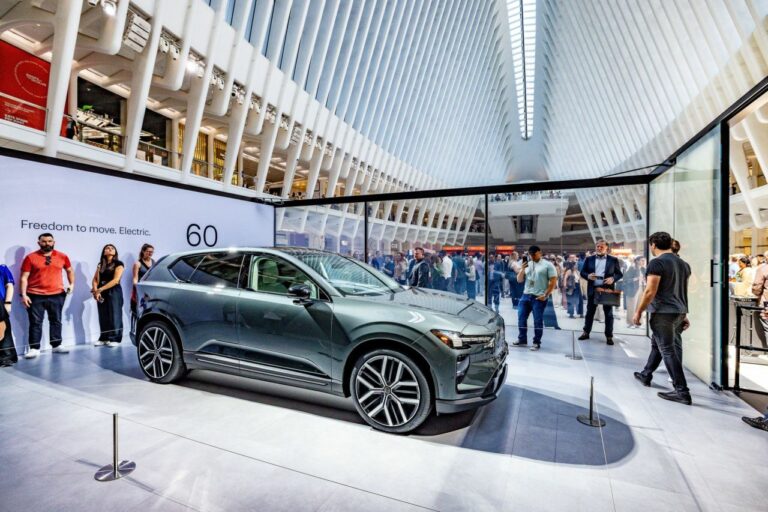
Mall operators are no longer leasing space for pop-ups. They are selling audience access.
Physical stores still drive most retail sales, fulfill online orders, support AI shopping, and help brands return to market.
A practical guide to nine mall tenant formats in 2026, from flagships and pop-ups to anchor redevelopment and mixed-use retail.
Verified signals on brand expansion, store openings, and mall development. Free.
Free · No credit card · Unsubscribe any time
