

Michael Kors has agreed to acquire luxury footwear and accessories brand Jimmy Choo.
The company announced, Jimmy Choo shareholders will receive 230 pence per share, with a business value of 1.2 billion dollars. John D. Idol, Chairman, and CEO of Michael Kors said in an announcement, “We are pleased to announce the acquisition of Jimmy Choo, an iconic brand with a rich history as a leading global luxury house. We believe that Jimmy Choo is poised for meaningful growth in the future and our company is committed to supporting the high brand equity that Jimmy Choo has built over the last 20 years.”
Jimmy Choo, a luxury accessories label launched in 1996, runs nearly 150 company-operated retail shops, 560 multi-brand gateways and more than 60 franchise stores worldwide. The company has a presence in Europe, the Middle East, the Americas and Asia. Besides, Jimmy Choo continues to invest in its online platform, which has experienced stable revenue growth in recent years.
The purchase of Jimmy Choo, Michael Kors said, is suspected of delivering some benefits, including the possibility to grow Jimmy Choo sales to 1 billion dollars, a more balanced portfolio with greater product diversification. Better positioning in the attractive and thriving luxury footwear market, the possibility to grow in the men’s luxury footwear category, additional expansion in the luxury accessories business, greater exposure to international markets, especially the fast-growing market in Asia and the potential to generate long-term operational synergies.
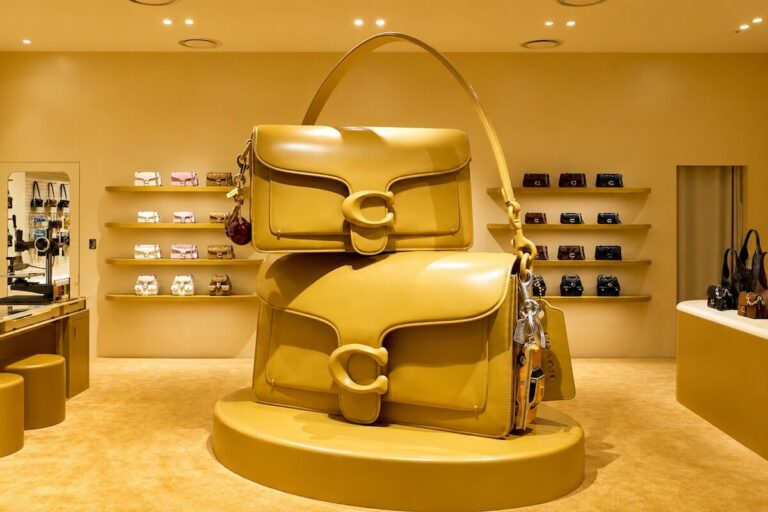
Gross margins and selected profit metrics for Coach, Pop Mart, lululemon, Miniso, Five Below, TJX and Costco, plus where each…
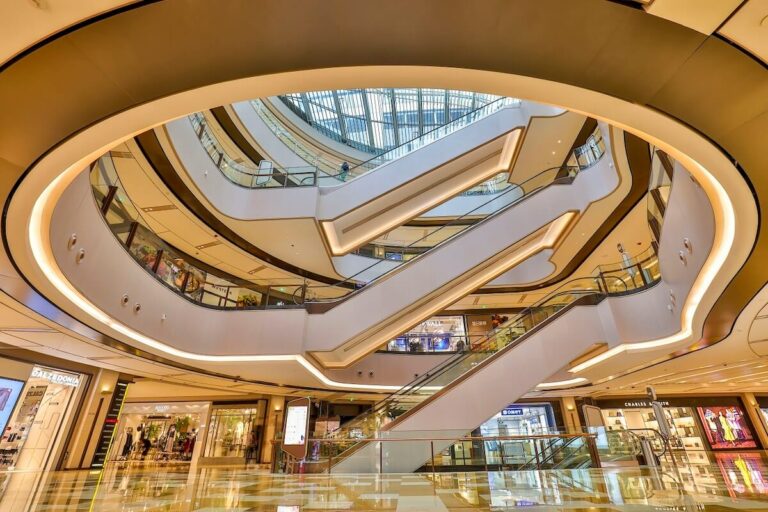
NikeSKIMS, Birkenstock and Starbucks Reserve chose HKRI Taikoo Hui for major China debuts. Why the Shanghai complex keeps winning new…
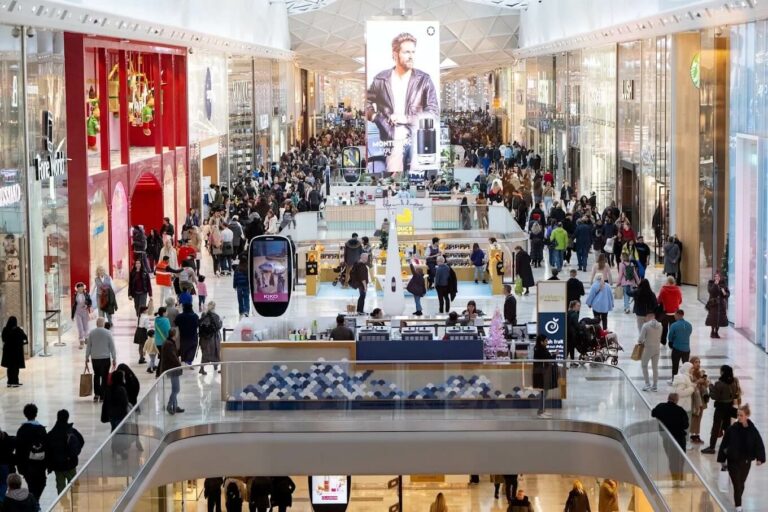
Bluewater opens its first new anchor since 1999. Next takes the former House of Fraser space with about 132,000 square…
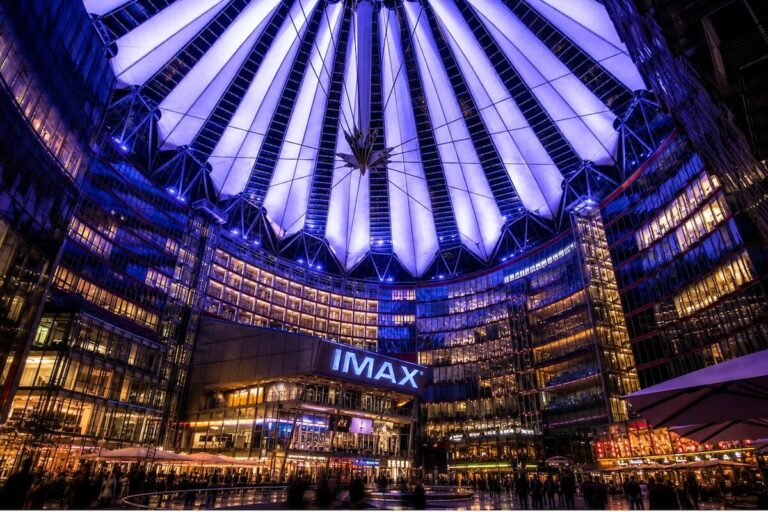
Opening in IMAX 70mm on July 17, 2026: Christopher Nolan's The Odyssey. Select shows went on sale one year in…

European retail is scaling AI, agentic commerce and retail media, but consumer trust is becoming the constraint. Four structural shifts…
Mall operators are no longer leasing space for pop-ups. They are selling audience access.
