
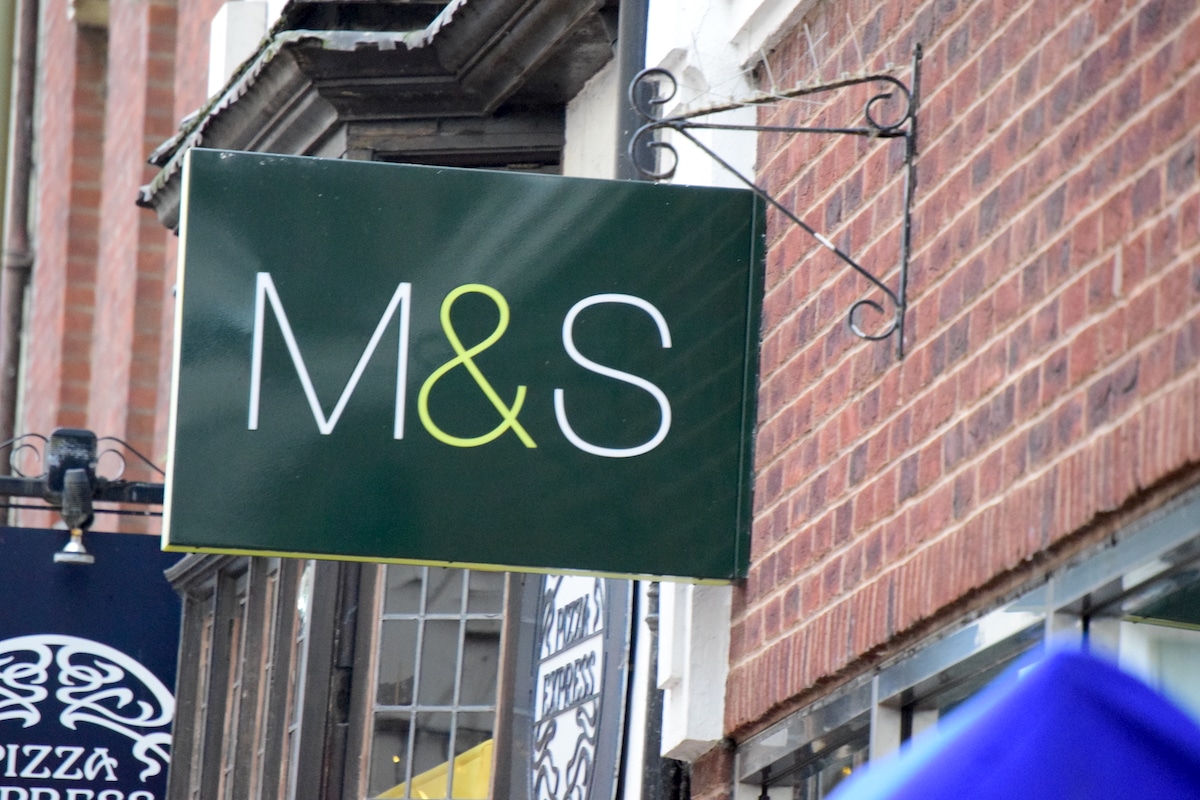
The involvement of nine popular lingerie brands is started to increase sales through its official website.
Marks & Spencer is one of the largest retailers of underwear; in the UK alone, the retailer accounts for about a third of all sales in this segment. Now it is announced its intention to significantly expand the range of brands represented, attracting third-party manufacturers. A total of nine lingerie brands, which are competitors of Marks & Spencer, will be featured on the retailer’s website. Collaborating with other brands was an unprecedented move for the company.
One of the most anticipated will be the appearance of products by Sloggi and Triumph, the famous Doreen bra brand manufacturer. Also among the “guest” brands will be popular brands Hobbs, Joules, Phase Eight, Seasalt, and White Stuff, as well as less well-known YAS and Sosandar. Male customers have not been forgotten and will be able to access the Jack & Jones range.
Bringing in new brands will allow Marks & Spencer to expand sales through its page and reach out to new customers, significantly growing its audience. The company already has experience attracting third-party brands to its site. In October 2020, for example, the retailer began selling merchandise from independent eco-fashion brand Nobody’s Child. The first time the company, which has always relied on its brand, decided to engage another brand. The experience proved successful, with nearly 10% of those who purchased Nobody’s Child products having never bought women’s clothing on the Marks & Spencer site before.
Thanks to many new brands, the retailer itself will be able to offer shoppers a much more comprehensive selection of lingerie models, as well as an expanded size range. According to Neil Harrison, director of brands at Marks & Spencer, the new strategy is designed to “turbocharge the brand’s online growth.”
Фотография: depositphotos.com.
Gross margins and selected profit metrics for Coach, Pop Mart, lululemon, Miniso, Five Below, TJX and Costco, plus where each…
NikeSKIMS, Birkenstock and Starbucks Reserve chose HKRI Taikoo Hui for major China debuts. Why the Shanghai complex keeps winning new…
Bluewater opens its first new anchor since 1999. Next takes the former House of Fraser space with about 132,000 square…
Opening in IMAX 70mm on July 17, 2026: Christopher Nolan's The Odyssey. Select shows went on sale one year in…
European retail is scaling AI, agentic commerce and retail media, but consumer trust is becoming the constraint. Four structural shifts…

Mall operators are no longer leasing space for pop-ups. They are selling audience access.
