
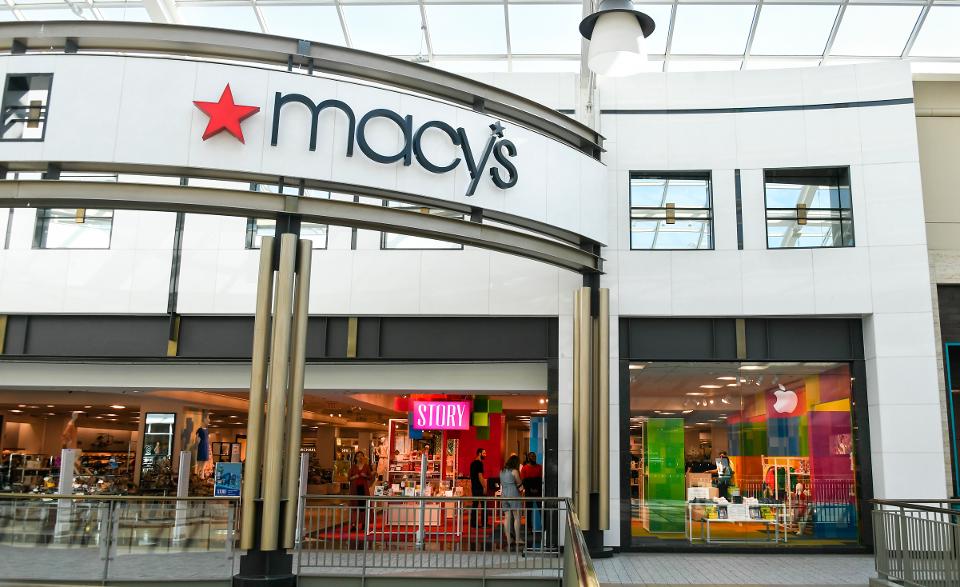
The Company has adopted a new development strategy, which will include the closing of department stores in large shopping malls.
American company Macy’s Inc, which operates one of the oldest and largest department store chains in the U.S., has announced plans to close 125 stores by 2023. According to The Wall Street Journal, the retailer has to take this step against the background of increasing competition from online platforms. As part of the optimization will be reduced by about 10% of Macy’s employees.
The company has adopted a new development strategy, which will close department stores in major shopping malls, while the main focus of development will be on stores located in small malls. In recent years, Macy’s has renovated about 150 department stores. The retailer’s immediate plans include upgrading about 100 more stores.
“Our goal is to revive department stores as they should be. Stores in department store format are still an important part of the market; the only question is whether they are set up correctly. The idea of putting different products and brands under the same roof is still profitable,” commented Macy’s head Jeff Jennett.
As part of the new development program, Macy’s expects to save about $ 1.5 billion over three years. After the optimization of the company’s business, about 400 department stores of the same name remain under management, as well as 170 stores under the Bluemercury brand and 40 luxury department stores of Bloomingdale’s retail chain.
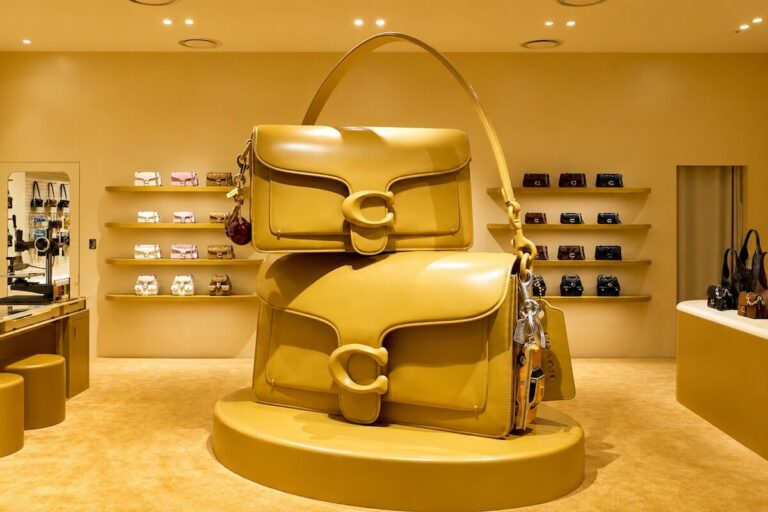
Gross margins and selected profit metrics for Coach, Pop Mart, lululemon, Miniso, Five Below, TJX and Costco, plus where each…
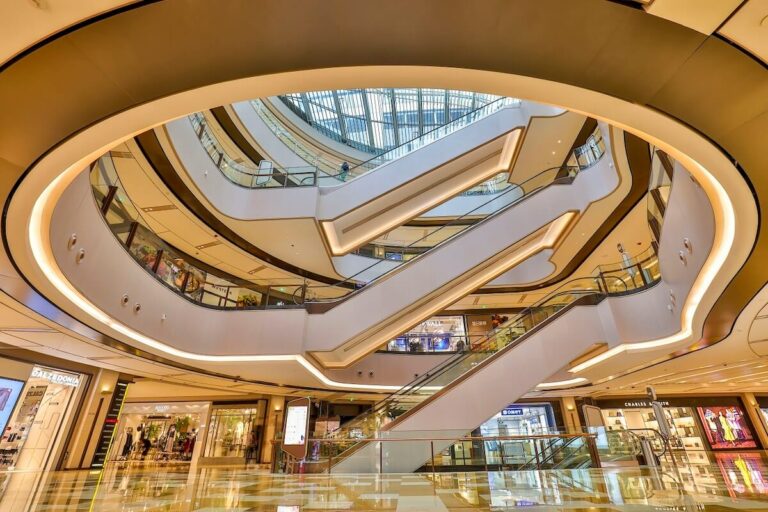
NikeSKIMS, Birkenstock and Starbucks Reserve chose HKRI Taikoo Hui for major China debuts. Why the Shanghai complex keeps winning new…
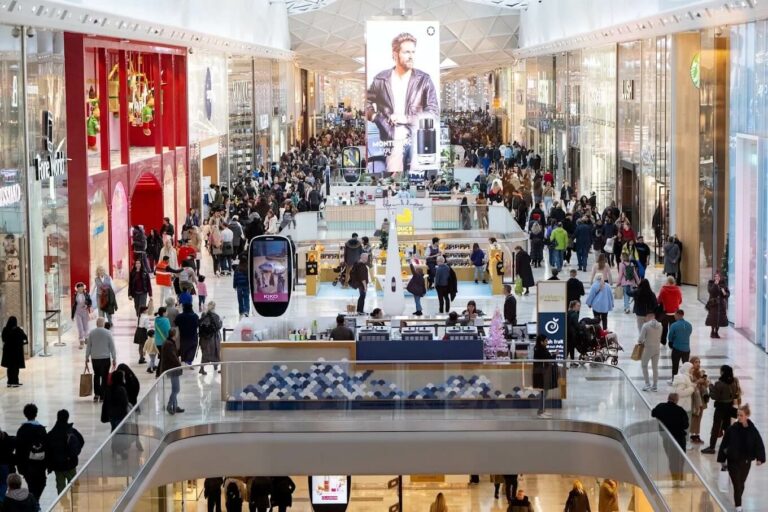
Bluewater opens its first new anchor since 1999. Next takes the former House of Fraser space with about 132,000 square…
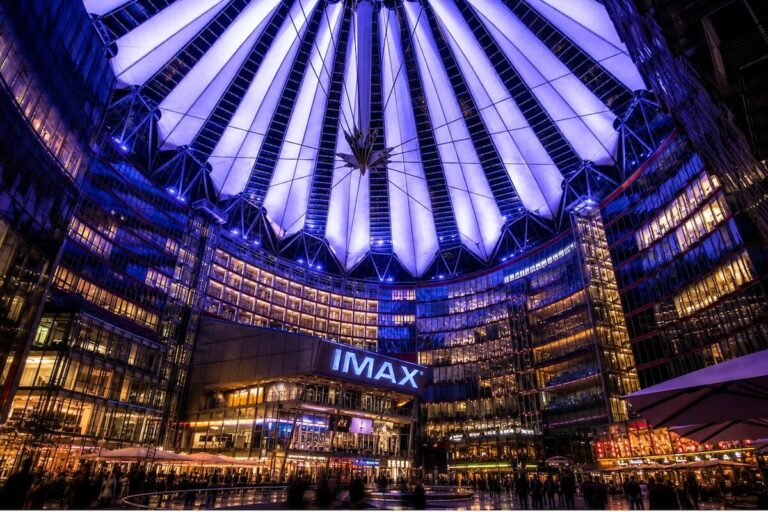
Opening in IMAX 70mm on July 17, 2026: Christopher Nolan's The Odyssey. Select shows went on sale one year in…

European retail is scaling AI, agentic commerce and retail media, but consumer trust is becoming the constraint. Four structural shifts…

Mall operators are no longer leasing space for pop-ups. They are selling audience access.
