
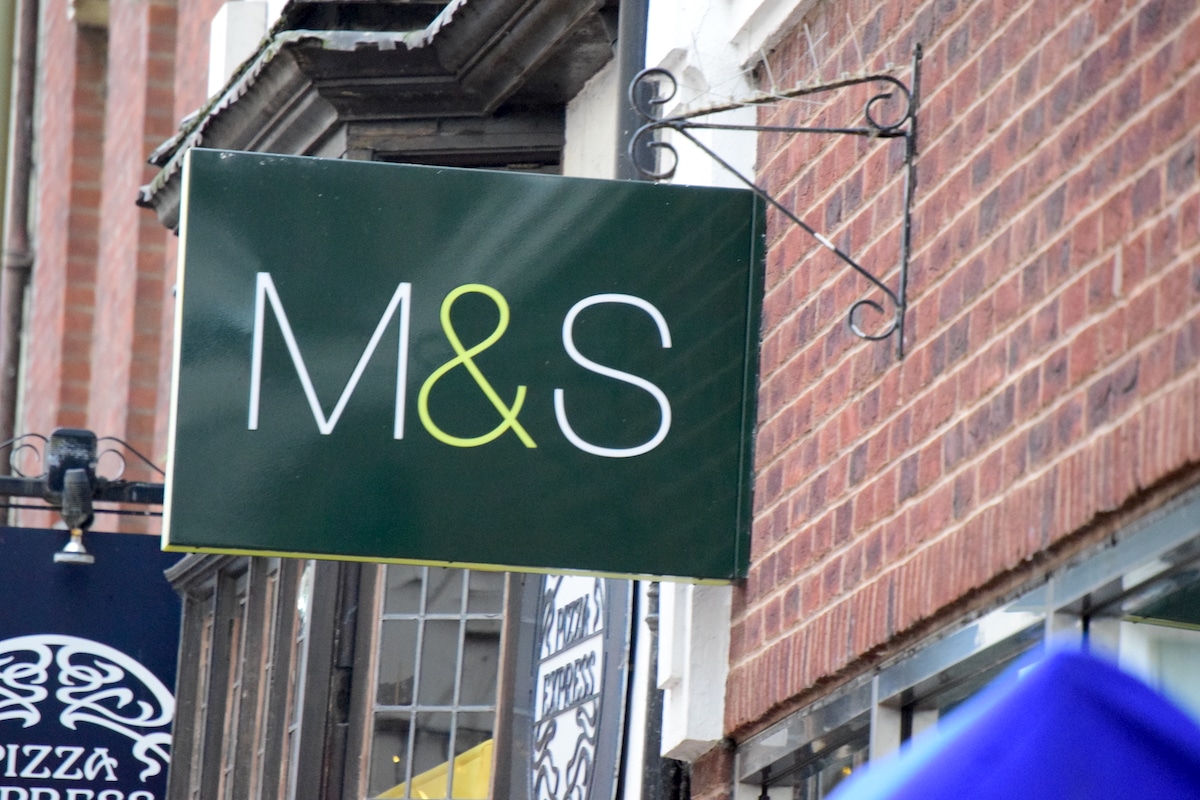
The company said it would expand its selection of outdoor apparel as it is the most in-demand during the coronavirus pandemic.
Forced to sit at home most of the time, consumers choose formal wear less and less, giving preference to the much more comfortable sportswear, which is equally well suited for walking and wearing at home. Wearing a tracksuit is becoming an integral part of the closet in many countries.
According to Jill Stanton, director of women’s and children’s apparel at M&S, the company expects this trend to continue for a long time. In 2020, the number of customers who prefer outdoor clothing increased immediately by 52%. Online sales of athletic apparel increased by 200% from March to September 2020. For this reason, M&S intends to focus on this particular area.
About a similar “sports shift” declared and other retailers. Sweaty Betty, which specializes in sportswear for women, said it expected sales to grow by 20% in 2020. The company True Fit, which offers a wide range of sporting goods, says the volume of orders for women’s clothing has increased by 84% since the beginning of the pandemic in 2020.
As analysts point out, the demand for comfortable clothing has steadily increased year after year. But the pandemic spurred it on, dramatically making sportswear and homeware the most common items. The coronavirus completely changed the market, creating products that had previously been in low demand in high demand. Back in early 2020, no one would have guessed that women’s sweatpants, mattresses, puzzles, toys, and other home-use products would suddenly break sales records when classic clothing manufacturers began filing for bankruptcy en masse.
Photo credit: depositphotos.com.

European retail is scaling AI, agentic commerce and retail media, but consumer trust is becoming the constraint. Four structural shifts…
Mall operators are no longer leasing space for pop-ups. They are selling audience access.
Physical stores still drive most retail sales, fulfill online orders, support AI shopping, and help brands return to market.
A practical guide to nine mall tenant formats in 2026, from flagships and pop-ups to anchor redevelopment and mixed-use retail.
1,051 of 1,173 US malls hold zero ultra-luxury brands. Half of all Cartier, Chanel, Hermès, and Louis Vuitton mall stores…
Every physical expansion decision starts with the same question: where does the store go?
Verified signals on brand expansion, store openings, and mall development. Free.
Free · No credit card · Unsubscribe any time
