
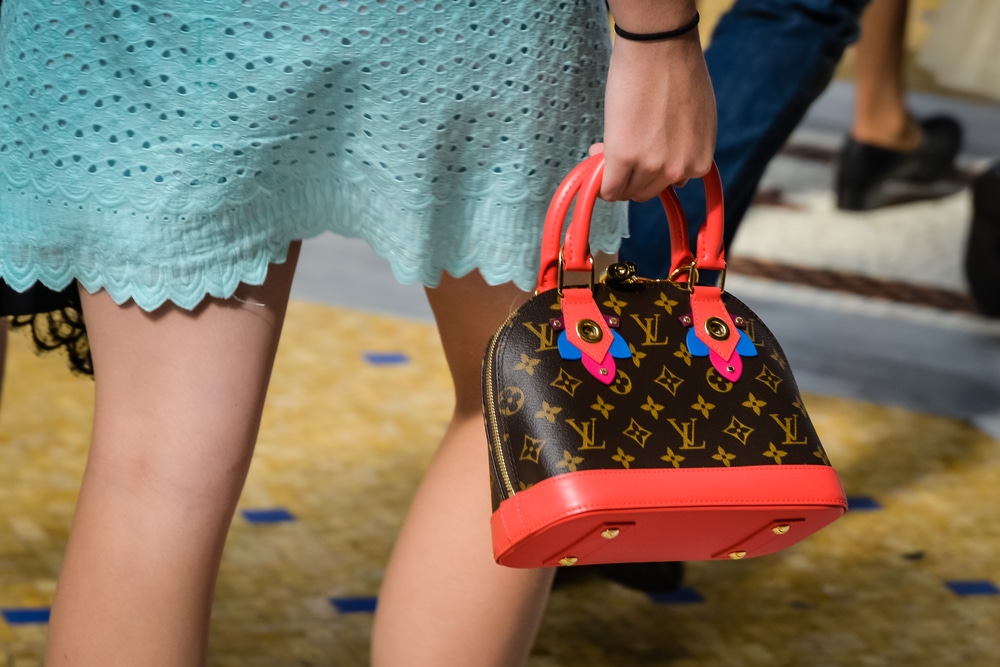
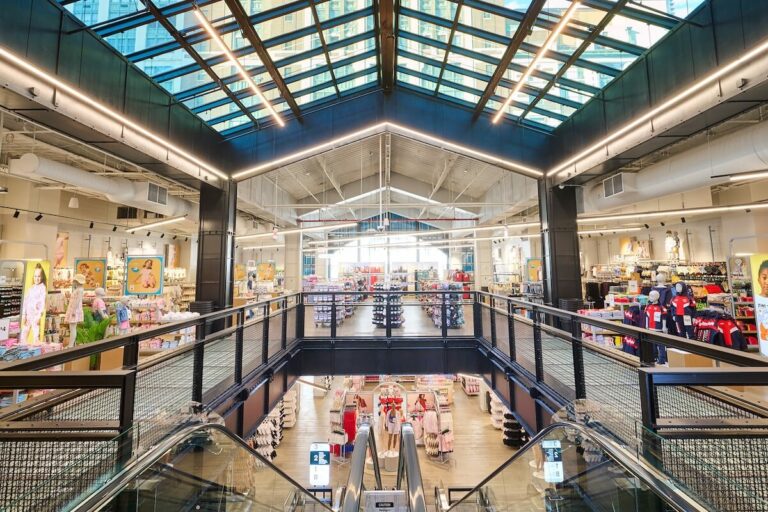
As the world’s largest department store, Beijing’s SKP has surpassed Harrods in sales and ranked first in revenue.
Despite restrictions and consumers switching to online channels, luxury brands continue to grow aggressively in the Chinese market. Affluent Chinese consumers, who had previously shopped in Italy and France, are now forced to shop within the country, which makes the market more attractive to international brands.
Prices for luxury goods in the Celestial Empire are traditionally higher than abroad. Still, in a pandemic, consumers are willing to overpay and spend tens of thousands of dollars on products from luxury fashion houses.
The leaders in luxury goods sales are the SKP department store in Beijing with an annual turnover of $3.73 billion, Guanggu World City in Wuhan ($20.8 billion), and Beijing China World Mall ($20.2 billion). Most of the most popular malls are also located in Shanghai, Hangzhou, Nanjing, and Shenzhen.
According to experts, Beijing’s SKP in 2021 surpassed Harrods in sales and took first place globally in terms of revenues among department stores. The store also ranks first in the world in revenue per square meter of selling space. Attendance at the mall grew by 15% to 15 million people a year.
International luxury brands tend to open their stores in the largest shopping centers in China. Thus, SKP has accounted for 38% of global brand premieres in recent years. The department store brings together luxury mono stores of the top brands and dozens of fashion designers. Experts note that leading fashion houses also provide customized products and exclusive offers specifically for customers of China’s leading shopping malls.
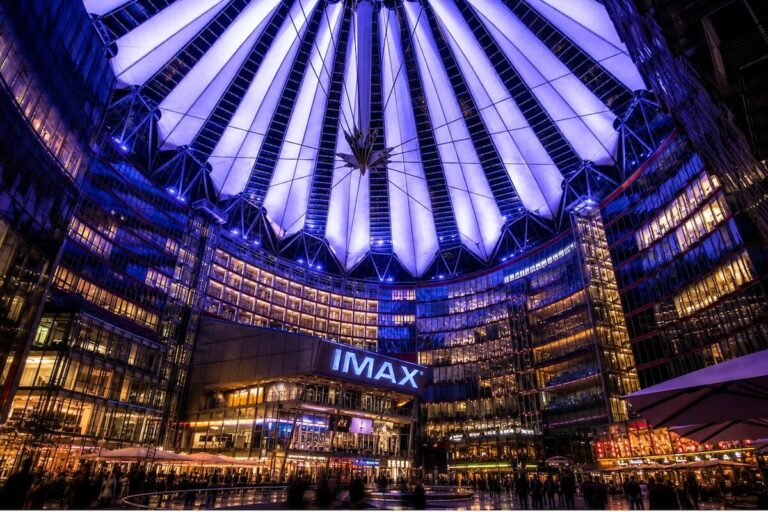
Opening in IMAX 70mm on July 17, 2026: Christopher Nolan's The Odyssey. Select shows went on sale one year in…

European retail is scaling AI, agentic commerce and retail media, but consumer trust is becoming the constraint. Four structural shifts…
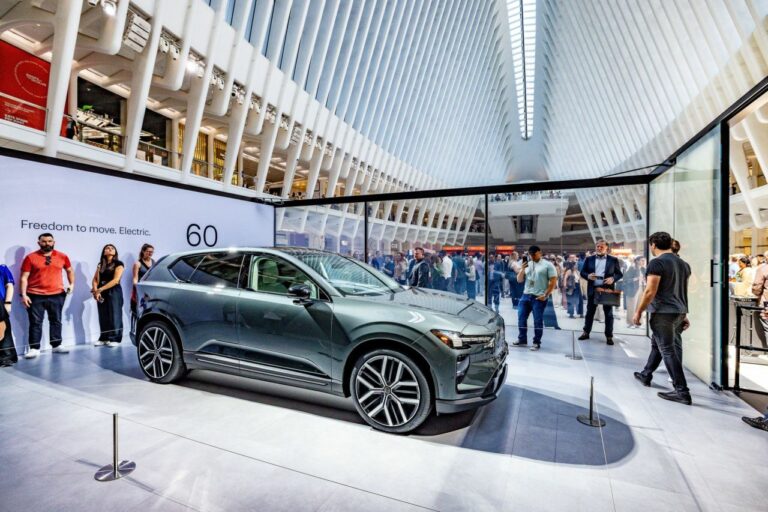
Mall operators are no longer leasing space for pop-ups. They are selling audience access.
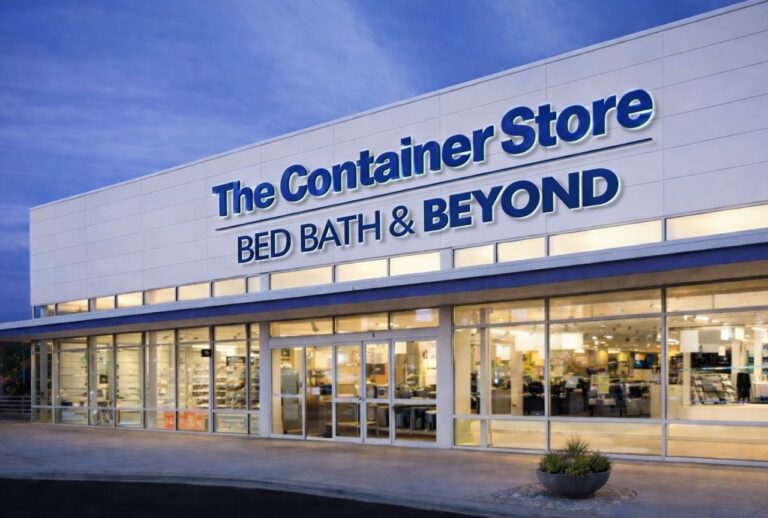
Physical stores still drive most retail sales, fulfill online orders, support AI shopping, and help brands return to market.
A practical guide to nine mall tenant formats in 2026, from flagships and pop-ups to anchor redevelopment and mixed-use retail.
1,051 of 1,173 US malls hold zero ultra-luxury brands. Half of all Cartier, Chanel, Hermès, and Louis Vuitton mall stores…
Verified signals on brand expansion, store openings, and mall development. Free.
Free · No credit card · Unsubscribe any time
