
Junk food consumption decreased by 10,000 calories per week, equivalent to 6.7%.
As a result of the government’s ban on advertising on public transportation, junk food sales in London have fallen significantly. Junk food consumption has decreased by 10,000 calories per week, which is 6.7%, according to the London School of Hygiene and Tropical Medicine.
The amount of fat consumed each week is down 6.5%, saturated fats down 7.3%, and sugar is down 10%, according to PLOS Medicine. According to the study, the average household began buying 19.4% fewer sweets, and the average consumer purchased less than two and a half bars of chocolate per week.
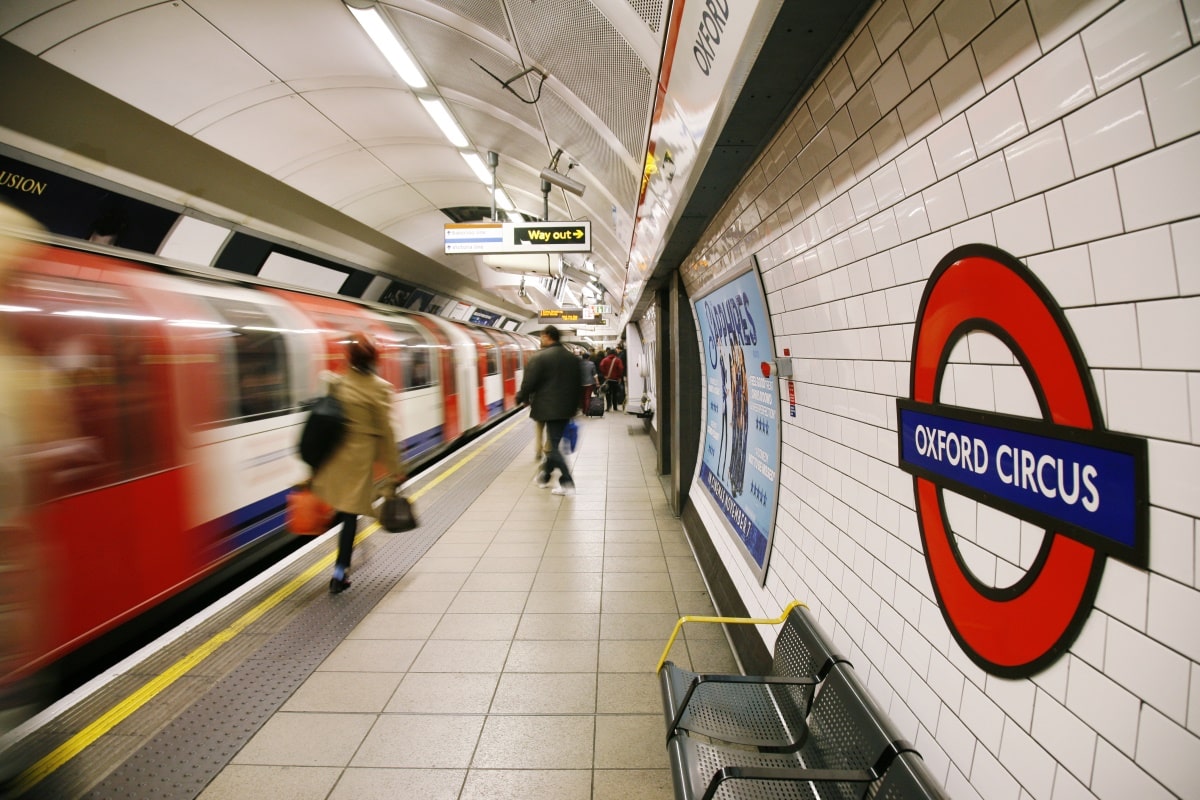
In 2019, London City Hall banned the advertising of high-fat, high-salt, and high-sugar foods on public transport. To date, the measures are still in effect on buses, subways, cabs, and public transport stops.
Data from the published study is based on five million purchases Londoners made before and after the ban. The data includes only transactions in retail stores and does not consider the spending of residents in catering establishments, including takeaways.

Gross margins and selected profit metrics for Coach, Pop Mart, lululemon, Miniso, Five Below, TJX and Costco, plus where each…

NikeSKIMS, Birkenstock and Starbucks Reserve chose HKRI Taikoo Hui for major China debuts. Why the Shanghai complex keeps winning new…

Bluewater opens its first new anchor since 1999. Next takes the former House of Fraser space with about 132,000 square…

Opening in IMAX 70mm on July 17, 2026: Christopher Nolan's The Odyssey. Select shows went on sale one year in…

European retail is scaling AI, agentic commerce and retail media, but consumer trust is becoming the constraint. Four structural shifts…

Mall operators are no longer leasing space for pop-ups. They are selling audience access.
