
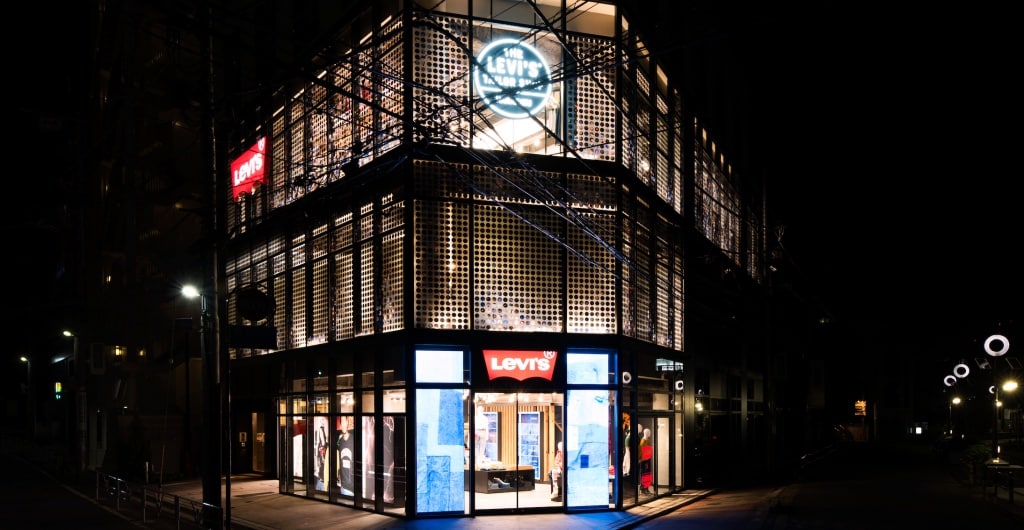
Against the background of the decline in wholesale sales, Levi Strauss & Co plans to open 100 new stores at once.
According to Levi’s financial report, the company’s net sales in the third quarter of this year grew by 4% to $1.45 billion. At the same time, sales directly to consumers increased by 10%. In calculating this figure, both online and offline sales are taken into account.
But the company’s wholesale sales continue to fall. And if eight years ago, this direction was half of the total sales, then today its share has fallen to 30% and continues to decline. One of the reasons for this trend is the rapid growth of other areas of business.
In the Americas, the company’s net revenue fell by 3% due to a decline in wholesale sales, which was partially offset by an increase in direct sales to consumers. In Europe, net revenue increased by 14% and in Asia by 9%.
The company also announced its intention to open about 100 stores this year. The previous trend of massive store closures seems to be a thing of the past.
The process of opening a large number of new stores will include the testing of new formats. In particular, the company is looking at small size stores, the first of which will start working in the U.S.
Levi’s plans to increase the so-called “premium” of its brand. And one of the steps in this direction will be a more thought-out choice of retailers. The company is already experimenting in this field. For example, Red Tab jeans, which are quite inexpensive, can be purchased in the Target network. Levi’s plans to continue to give preference to those retailers who will not sell branded goods with discounts.
It is essential for the company that the sales are carried out at the full price. This is important both from the financial point of view and for brand management, which should be associated in the eyes of customers with the premium segment, but not with the shops where you can buy goods at half price.

European retail is scaling AI, agentic commerce and retail media, but consumer trust is becoming the constraint. Four structural shifts…
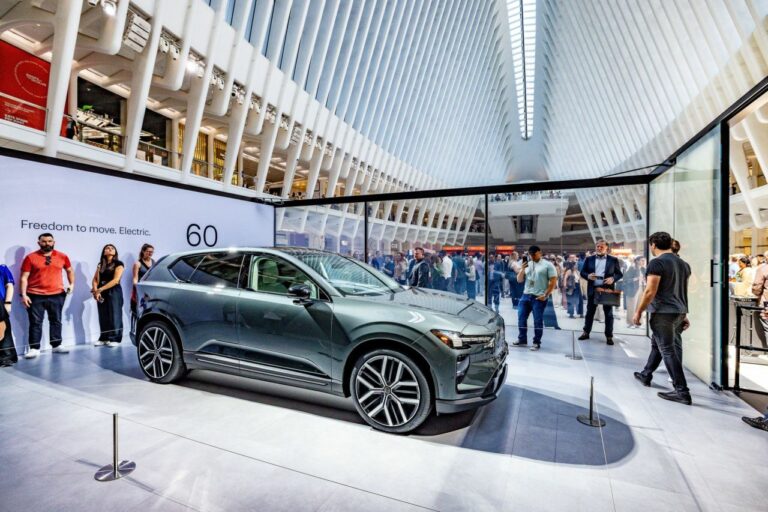
Mall operators are no longer leasing space for pop-ups. They are selling audience access.
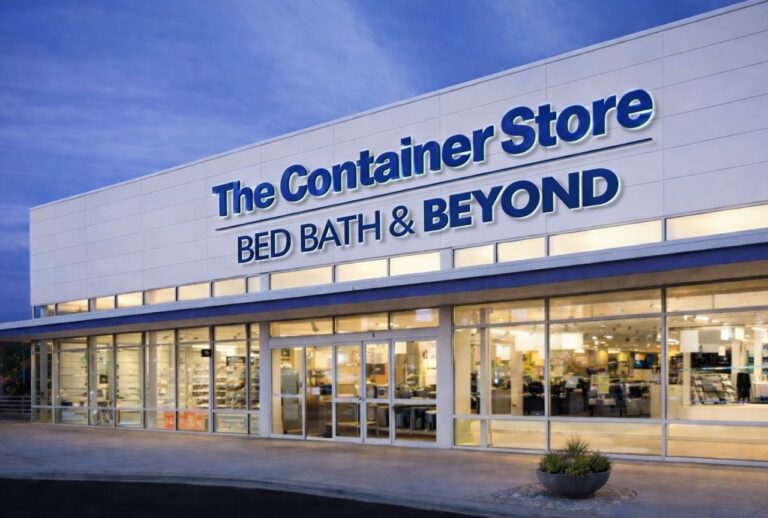
Physical stores still drive most retail sales, fulfill online orders, support AI shopping, and help brands return to market.
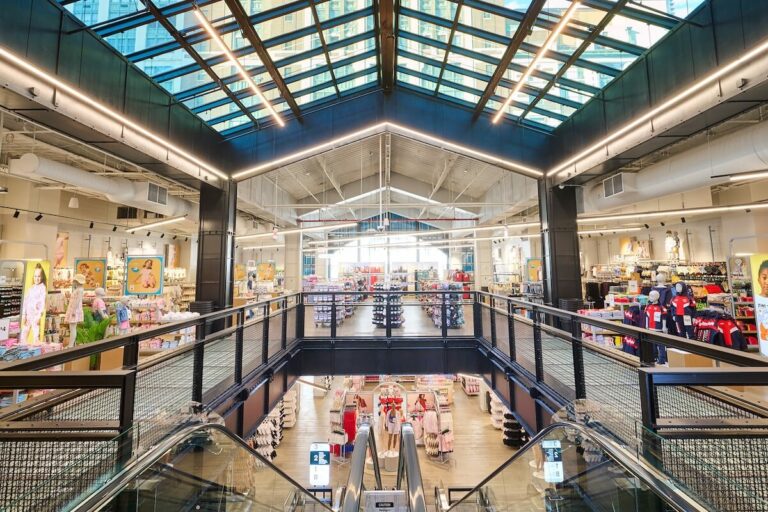
A practical guide to nine mall tenant formats in 2026, from flagships and pop-ups to anchor redevelopment and mixed-use retail.
1,051 of 1,173 US malls hold zero ultra-luxury brands. Half of all Cartier, Chanel, Hermès, and Louis Vuitton mall stores…

Every physical expansion decision starts with the same question: where does the store go?
Verified signals on brand expansion, store openings, and mall development. Free.
Free · No credit card · Unsubscribe any time
