

Kroger’s ChatBot will turn your recipe searching and food creation from multiple ingredients into a real interactive adventure.
Chefbot is another innovation from one of the largest food retailers in the United States. This chatbot was created to rethink the cooking process – artificial intelligence technology that will maximize the use of what is already in your fridge.
The main task of Chefbot is to save consumers from everyday dull eating and unwanted food waste at home. It is possible to cook something exciting and not too complicated, without wasting time looking for a suitable recipe using traditional methods.
Using chatbot consists of three stages. First, the user needs to take a picture of any three available ingredients. Then these pictures should be sent to @KrogerChefbot on Twitter. Chefbot identifies the elements and then browses through thousands of unique recipes on Kroger.com using Artificial Intelligence technology. A few seconds and the user gets an answer in the form of several recipes that he could cook.
In other words, Chefbot from Kroger is an opportunity to bring interactive elements to the tedious recipe search process by adding a social component. Currently, Chefbot can recognize 2,000 ingredients and search through a database of 20,000 recipes, and these numbers will continuously increase. Over time, thanks to this knowledge, Chefbot’s food recognition and recipe search technology will continue to improve.
Kroger created Chefbot as part of Fresh for Everyone campaign. The campaign’s idea is that everyone deserves access to fresh, affordable, and delicious food, no matter who they are, how they shop, and what they like to eat. Chefbot is one way to provide tasty food for yourself, which is especially important in times of pandemic when people are more likely to cook and eat at home.
Chefbot was created by Kroger in collaboration with the 360i creative media agency and technology partners Coffee Labs and Clarifai.
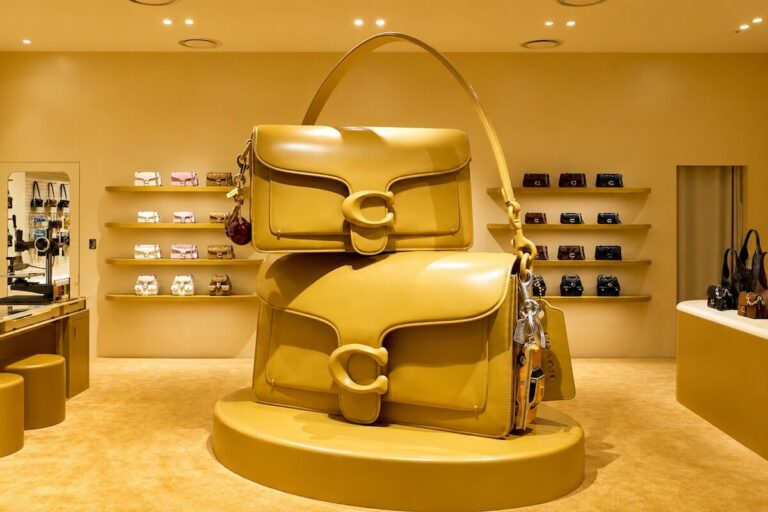
Gross margins and selected profit metrics for Coach, Pop Mart, lululemon, Miniso, Five Below, TJX and Costco, plus where each…
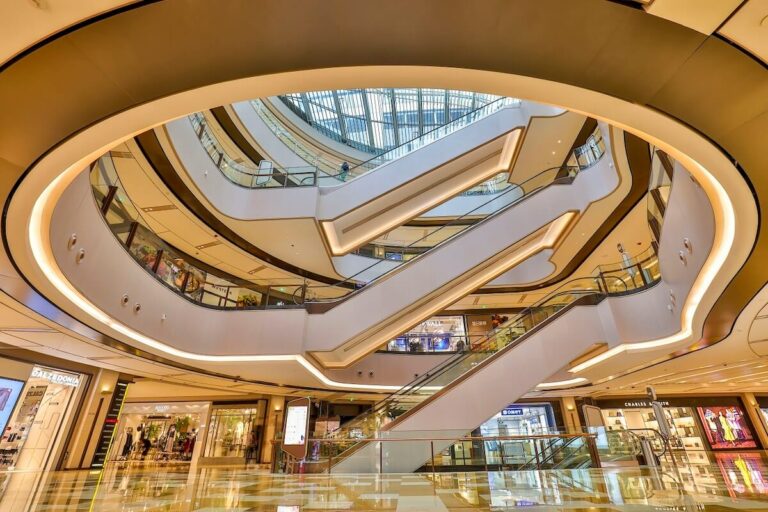
NikeSKIMS, Birkenstock and Starbucks Reserve chose HKRI Taikoo Hui for major China debuts. Why the Shanghai complex keeps winning new…
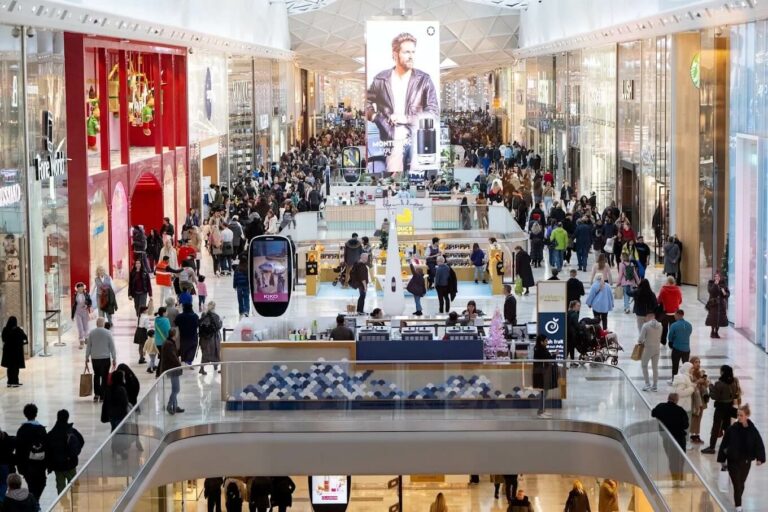
Bluewater opens its first new anchor since 1999. Next takes the former House of Fraser space with about 132,000 square…

Opening in IMAX 70mm on July 17, 2026: Christopher Nolan's The Odyssey. Select shows went on sale one year in…
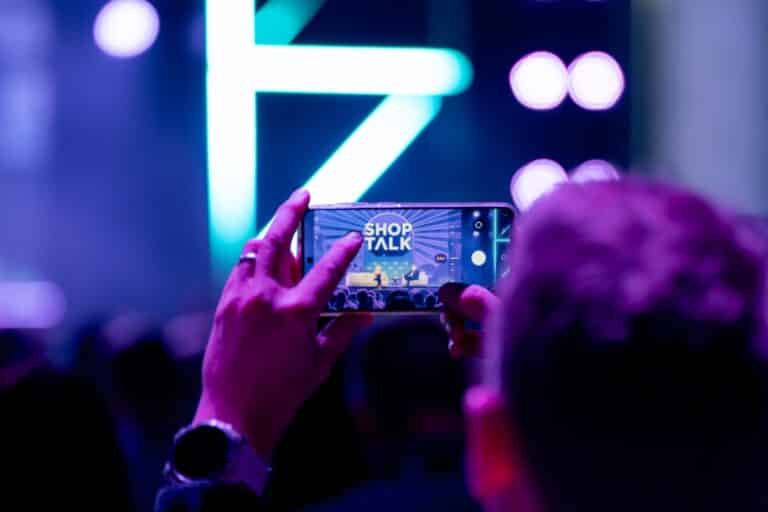
European retail is scaling AI, agentic commerce and retail media, but consumer trust is becoming the constraint. Four structural shifts…

Mall operators are no longer leasing space for pop-ups. They are selling audience access.
