
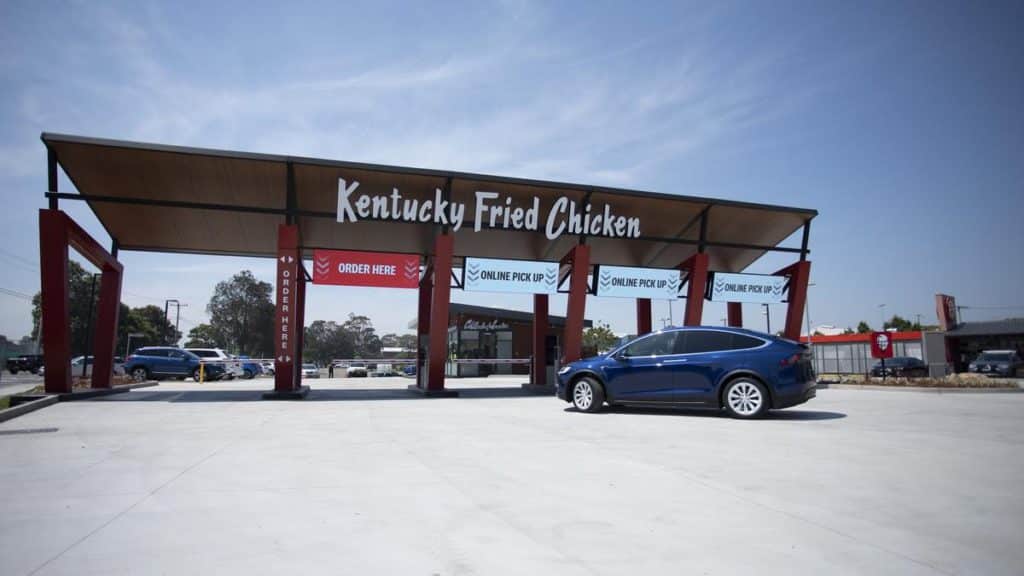
Instead of the usual number of ticket offices, visitors are waiting for several driveways for cars.
The KFC fast-food chain is testing a new format of drive-thru restaurant opened in Newcastle, Australia. Visitors are waiting for five driveways at once, 3 of which are designed for those who have placed an order through the application – they need to come up and enter their order code. You can also place an order on the spot. As soon as it is ready, the barrier will open, and the owner of the car will be able to pass and pick it up.
Another two driveways designed for customers who want to purchase traditionally, that is, interacting with a live person, not a mobile application or touch screen. The company is not in a hurry to abandon the “classic” concept, gives it less priority. Especially against the background of forecasts that the number of people who choose smartphones for ordering will only grow.
The company believes that despite the growing popularity of delivery services, such as Uber Eats, the idea to allow customers to place an order in advance, and then come to pick it up on their own at a convenient time for them, maybe successful.
The small Australian town of Newcastle was chosen for several reasons. As the company representatives note, KFC is a favorite city in this city, where several restaurants are already open. Besides, the concept required a site that was not too busy to test. And so it coincided that the company already had a plot of land in Newcastle, which was conveniently located at an equal distance from other establishments of the brand.
The restaurant is operating in a test mode, and the company is expecting many work-related issues to be resolved before opening such facilities in other parts of Australia. The latter will only happen if the new idea meets the expectations. However, KFC is confident that the second such restaurant will be opened in 2020.
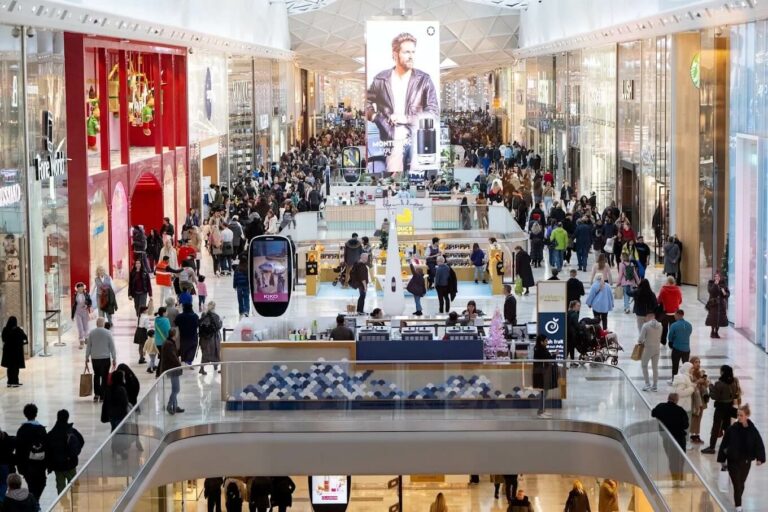
Bluewater opens its first new anchor since 1999. Next takes the former House of Fraser space with about 132,000 square…
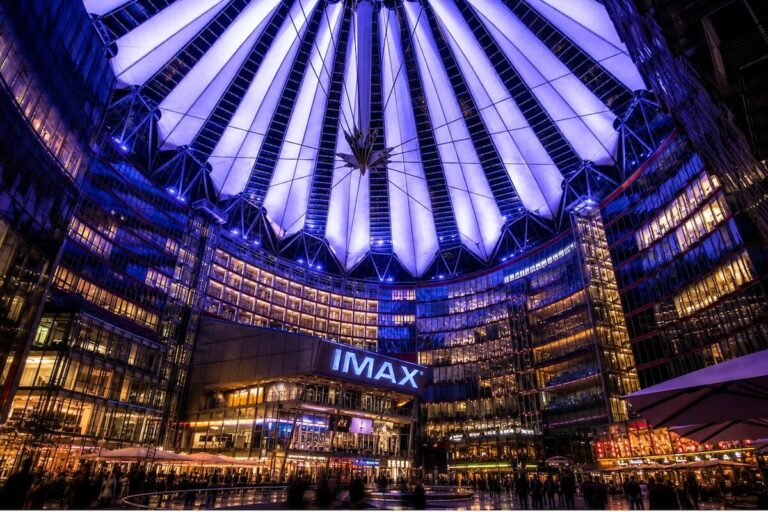
Opening in IMAX 70mm on July 17, 2026: Christopher Nolan's The Odyssey. Select shows went on sale one year in…
European retail is scaling AI, agentic commerce and retail media, but consumer trust is becoming the constraint. Four structural shifts…
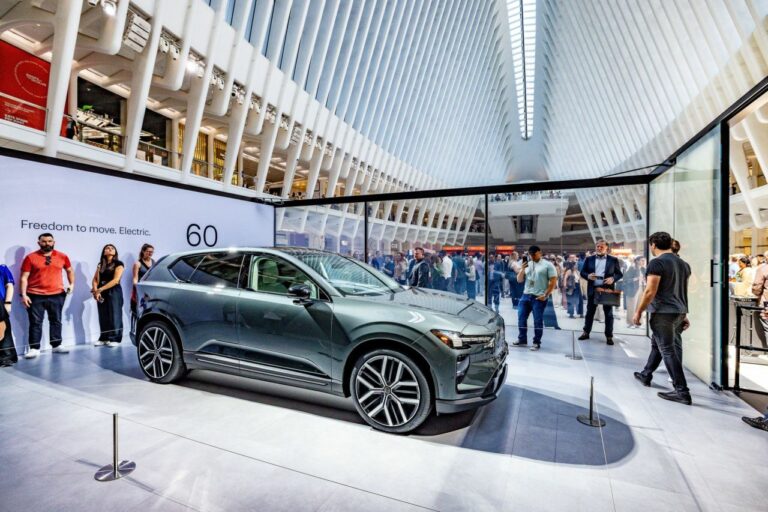
Mall operators are no longer leasing space for pop-ups. They are selling audience access.
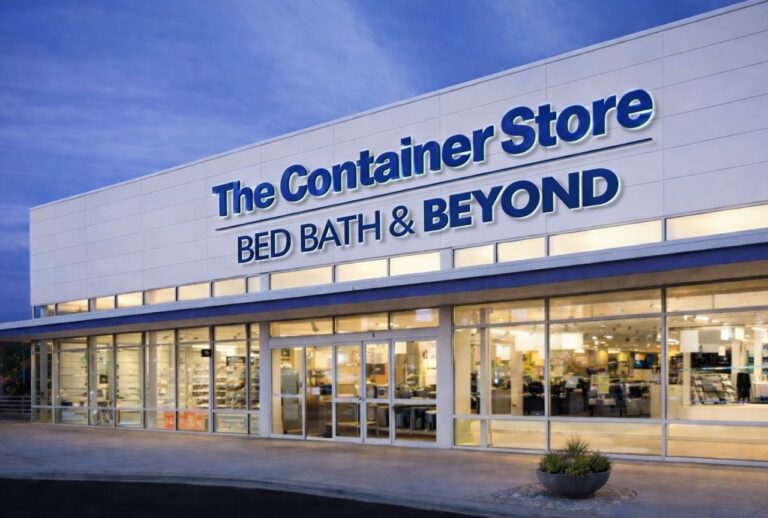
Physical stores still drive most retail sales, fulfill online orders, support AI shopping, and help brands return to market.
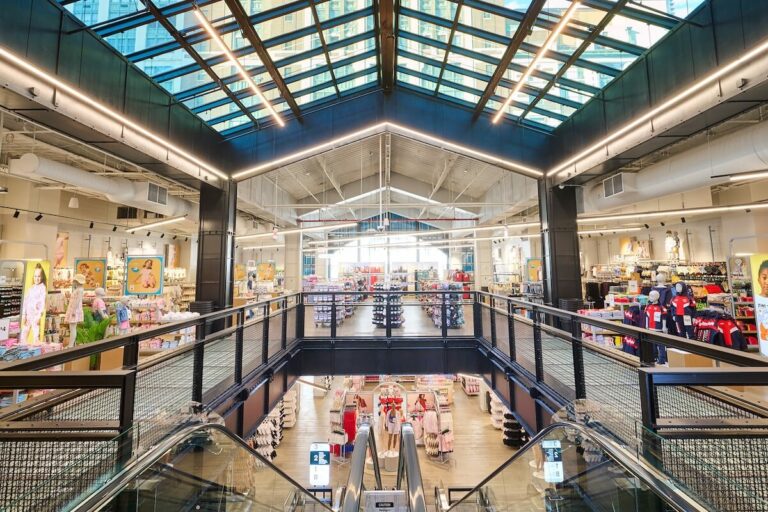
A practical guide to nine mall tenant formats in 2026, from flagships and pop-ups to anchor redevelopment and mixed-use retail.
Verified signals on brand expansion, store openings, and mall development. Free.
Free · No credit card · Unsubscribe any time
