
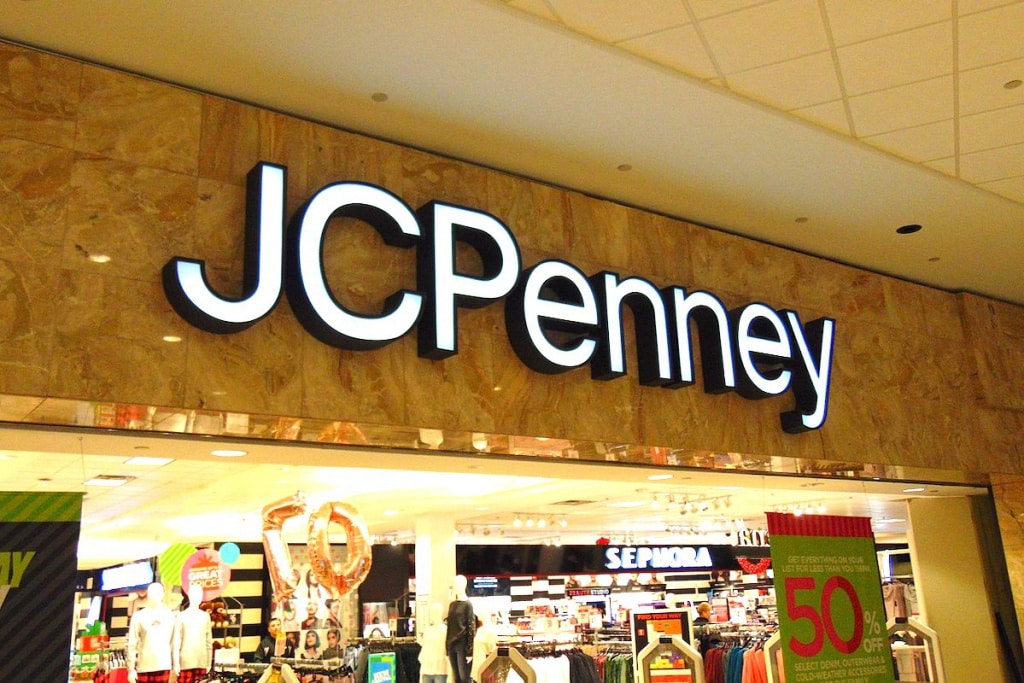
J.C. Penney might benefit from opening new stores despite its ongoing profitability concerns.
In the fourth quarter, J.C. Penney experienced a 5.9% drop in net sales year over year, totaling $2.3 billion, while net income fell by 8.9% to $41 million. For the full year, net sales, excluding credit cards, saw a significant 8.9% decline to $6.9 billion, with net income plummeting by 86.4% from the previous year’s $221 million. Consolidated EBITDA also decreased by 39.3% to $316 million.
Expansion opportunities
Simon Property Group CEO David Simon suggested that J.C. Penney might benefit from opening new stores despite its ongoing profitability concerns. Simon Property Group, along with Brookfield Properties and Authentic Brands Group, co-owns the retailer.
Performance comparison
During the holiday season, J.C. Penney’s sales performance was comparatively weaker than other middle-market department stores like Macy’s and Kohl’s, which saw sales declines of 1.7% and 1.1%, respectively.
Resilience and improvement efforts
Despite facing sales and profit declines, J.C. Penney remains profitable. Additionally, there are signs of improvement as the retailer’s sales declines are beginning to lessen, according to GlobalData Managing Director Neil Saunders.
Last summer, J.C. Penney announced a $1 billion investment aimed at enhancing its technology, stores, and overall customer experience. Earlier this year, the company unveiled an overhaul of its loyalty program. Moreover, the retailer has increased its focus on customer acquisition and is benefiting from changes in in-store traffic trends, as highlighted by a J.C. Penney spokesperson.

Gross margins and selected profit metrics for Coach, Pop Mart, lululemon, Miniso, Five Below, TJX and Costco, plus where each…
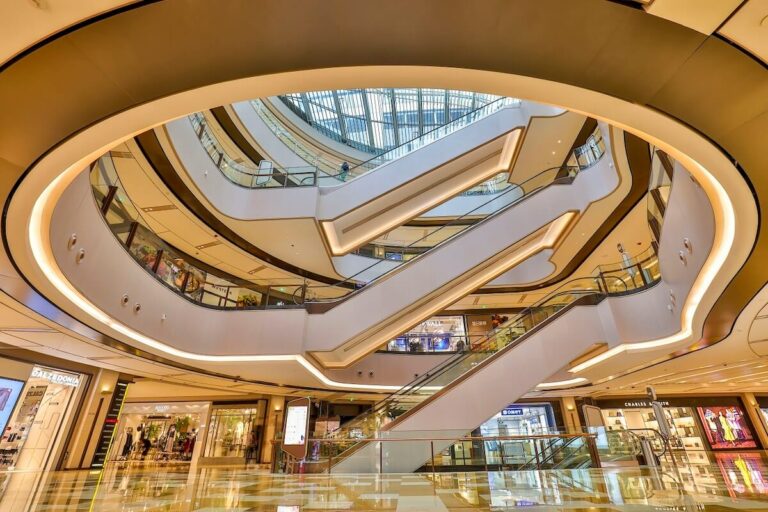
NikeSKIMS, Birkenstock and Starbucks Reserve chose HKRI Taikoo Hui for major China debuts. Why the Shanghai complex keeps winning new…
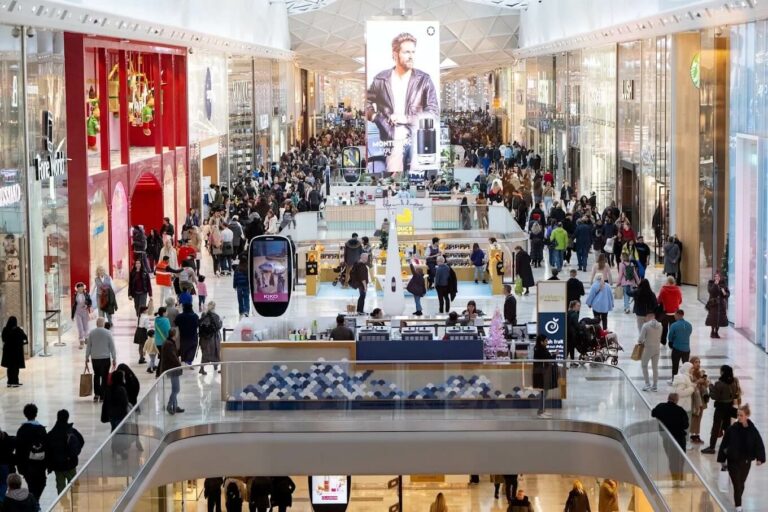
Bluewater opens its first new anchor since 1999. Next takes the former House of Fraser space with about 132,000 square…

Opening in IMAX 70mm on July 17, 2026: Christopher Nolan's The Odyssey. Select shows went on sale one year in…

European retail is scaling AI, agentic commerce and retail media, but consumer trust is becoming the constraint. Four structural shifts…

Mall operators are no longer leasing space for pop-ups. They are selling audience access.
