

A two-week experiment in which several shopping malls operated with restrictions was a success.
Shopping malls in Israel will resume operations if they prove they are ready to ensure visitors’ safety. Authorities will issue “purple badges” if they decide malls are safe for visitors. To do this, you need to meet several requirements, such as ensuring regular air changes in the room – it can be done up to at least three times a day.
A prerequisite is creating special teams, recruited from within the staff, who will monitor how visitors comply with the recommendations on social distancing and wearing masks. The number of such observers depends on the mall’s size – the larger it is, the larger the team should be.
While the entrance to the mall must be installed electronically to count visitors, the number of people who can be inside simultaneously is limited and depends on the room’s size. And another restriction was the prohibition of food consumption in the mall itself. The food courts are open, but anything you buy must be taken with you. Shopping malls will remove all tables and chairs from food courts.
Implementing the “purple badge” system will allow almost two hundred malls in Israel to reopen. It means that nearly 200,000 workers will be able to return to their professional duties.
Earlier experiments ran in shopping 15 malls. They were allowed to operate, subject to strict adherence to the conditions described above. The experiment results were positive, after which it was decided to introduce a system of “purple badges” throughout the country.
Photo credit: depositphotos.com.
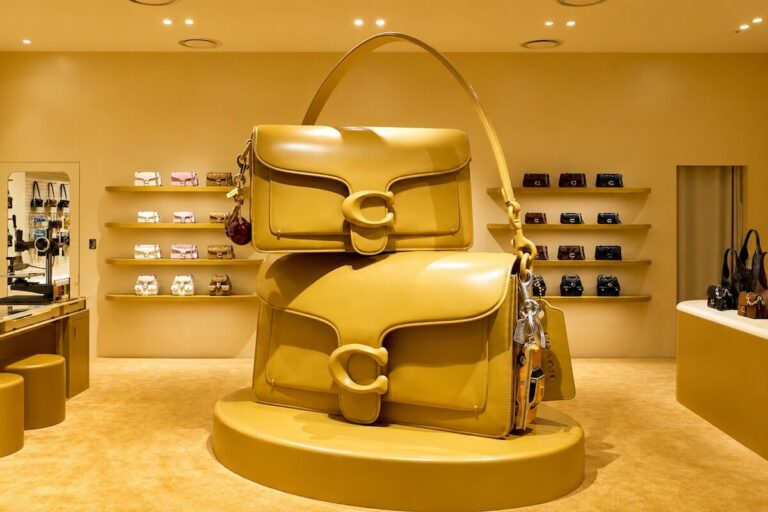
Gross margins and selected profit metrics for Coach, Pop Mart, lululemon, Miniso, Five Below, TJX and Costco, plus where each…
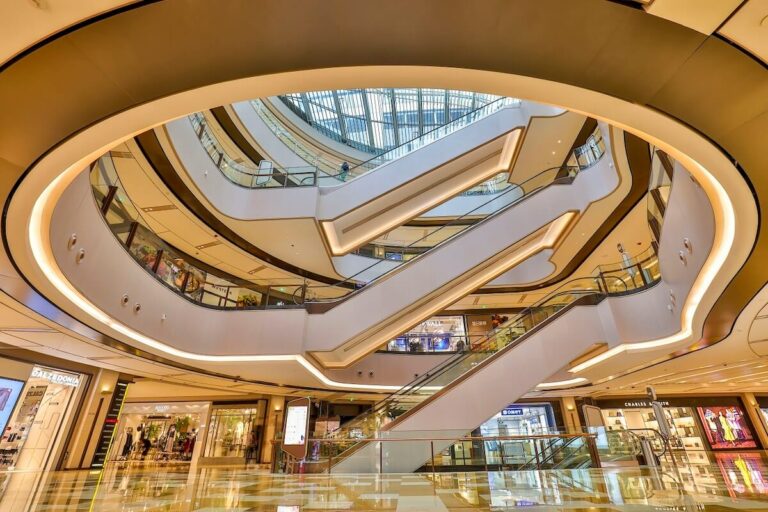
NikeSKIMS, Birkenstock and Starbucks Reserve chose HKRI Taikoo Hui for major China debuts. Why the Shanghai complex keeps winning new…
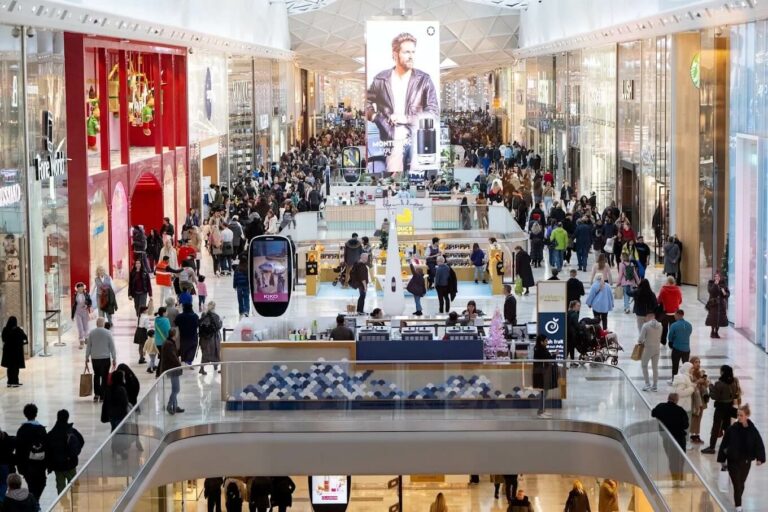
Bluewater opens its first new anchor since 1999. Next takes the former House of Fraser space with about 132,000 square…
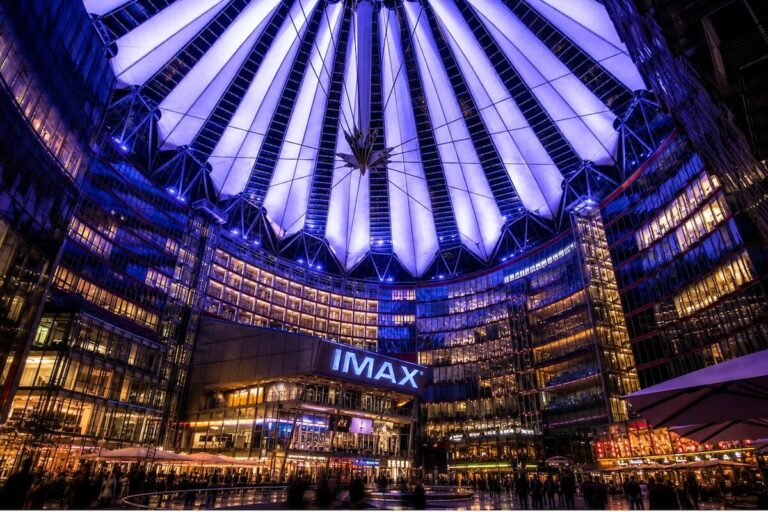
Opening in IMAX 70mm on July 17, 2026: Christopher Nolan's The Odyssey. Select shows went on sale one year in…
European retail is scaling AI, agentic commerce and retail media, but consumer trust is becoming the constraint. Four structural shifts…
Mall operators are no longer leasing space for pop-ups. They are selling audience access.
