
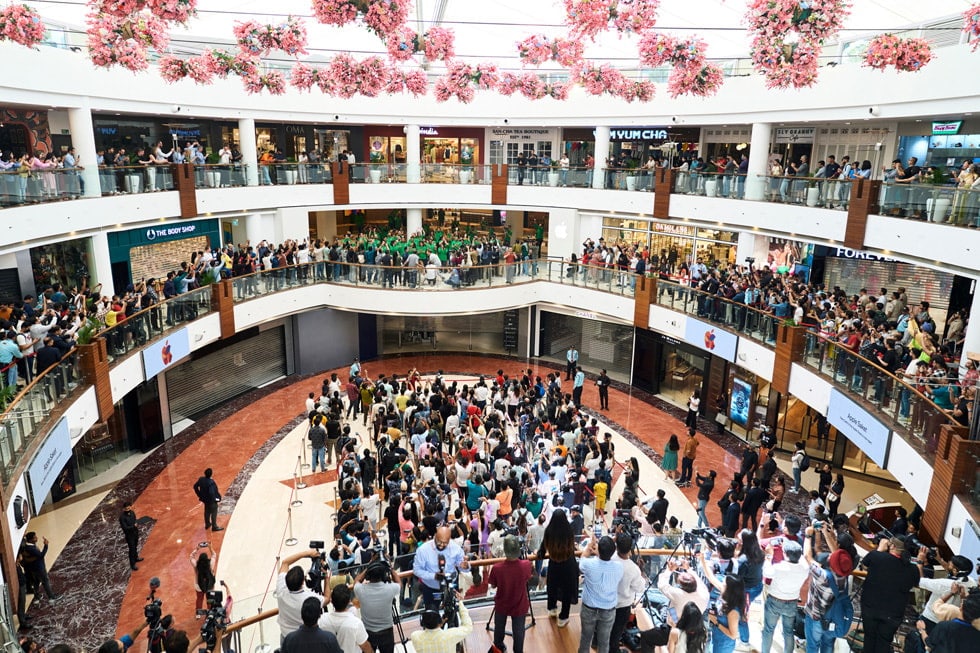
India’s household spending will exceed $3 trillion as disposable income grows at 14.6% per year through 2027.
According to a study by Fitch Solutions, India’s consumer market by 2027 may secure third place in the world after the U.S. and China. It is predicted that due to the increase in real household spending, India will rise in the global ranking by two lines. To date, the country occupies the fifth place.
Analysts also believe that India will outpace other developing countries in Asia, including Thailand, the Philippines and Indonesia, in terms of per capita spending growth.
BMI estimates that India’s household spending will exceed $3 trillion as disposable income grows at 14.6% per year through 2027. By that time, 25.8% of Indian households are projected to reach an annual disposable income of $10,000.
“The majority of these households will be located in the economic centers such as New Delhi, Mumbai and Bengaluru. The wealthier households are mainly located in urban areas, making it easy for retailers to target their key target markets,” BMI said.
As of the third quarter of 2023, about one-third of India’s population is between the ages of 20 and 33. Spending by the population is set to rise, driven in part by a “technology-literate, urban middle class with increasing amounts of disposable income that would encourage spending on aspirational products such as consumer electronics.”
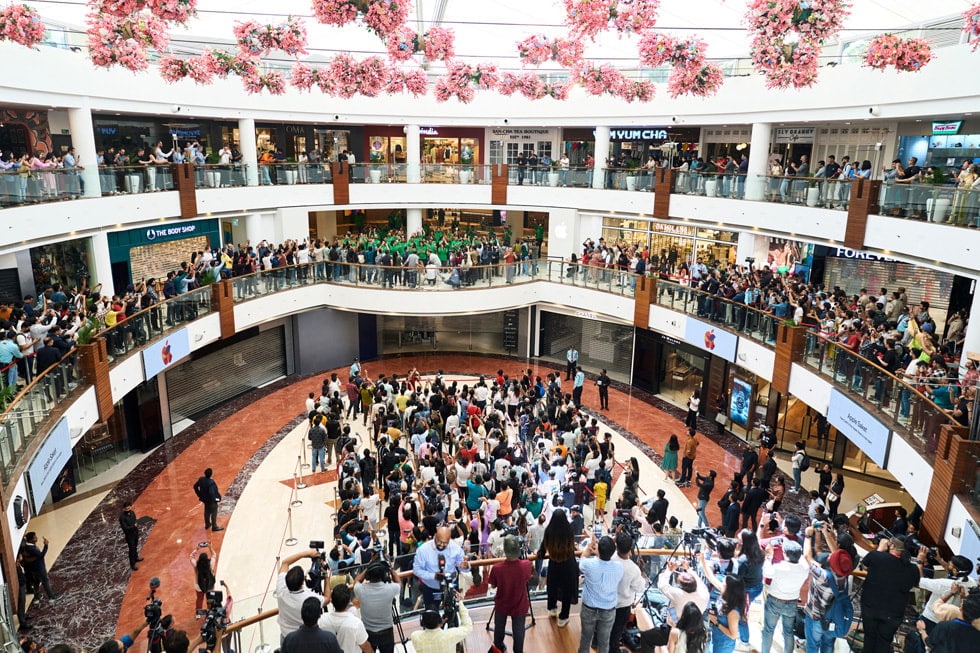
Recently, more and more global brands have been coming to India. Apple opened its first stores in the country in spring. And Samsung announced plans to open 15 premium stores in Delhi, Mumbai and Chennai.
Bluewater opens its first new anchor since 1999. Next takes the former House of Fraser space with about 132,000 square…
Opening in IMAX 70mm on July 17, 2026: Christopher Nolan's The Odyssey. Select shows went on sale one year in…

European retail is scaling AI, agentic commerce and retail media, but consumer trust is becoming the constraint. Four structural shifts…
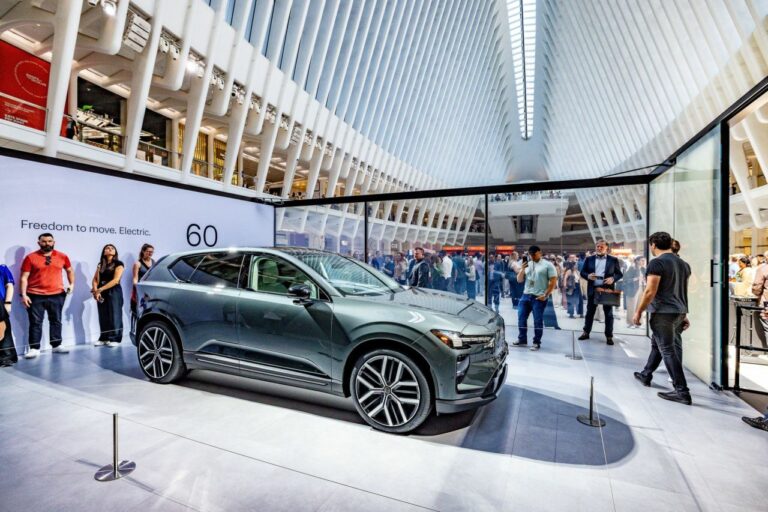
Mall operators are no longer leasing space for pop-ups. They are selling audience access.
Physical stores still drive most retail sales, fulfill online orders, support AI shopping, and help brands return to market.
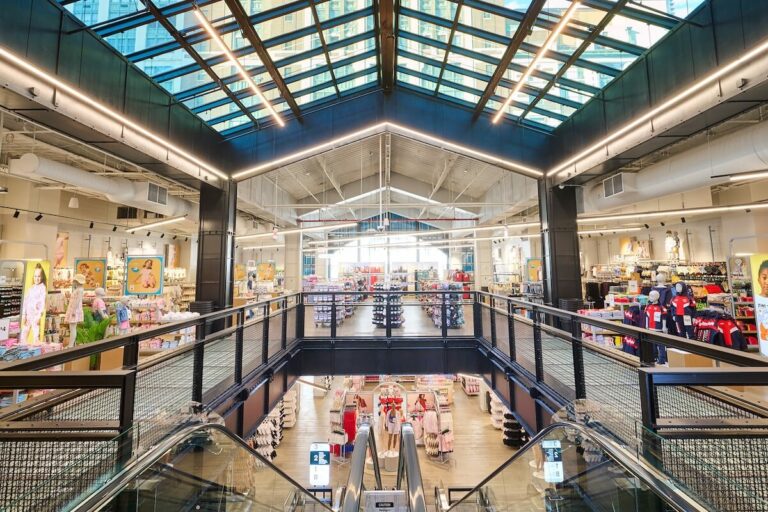
A practical guide to nine mall tenant formats in 2026, from flagships and pop-ups to anchor redevelopment and mixed-use retail.
Verified signals on brand expansion, store openings, and mall development. Free.
Free · No credit card · Unsubscribe any time
