
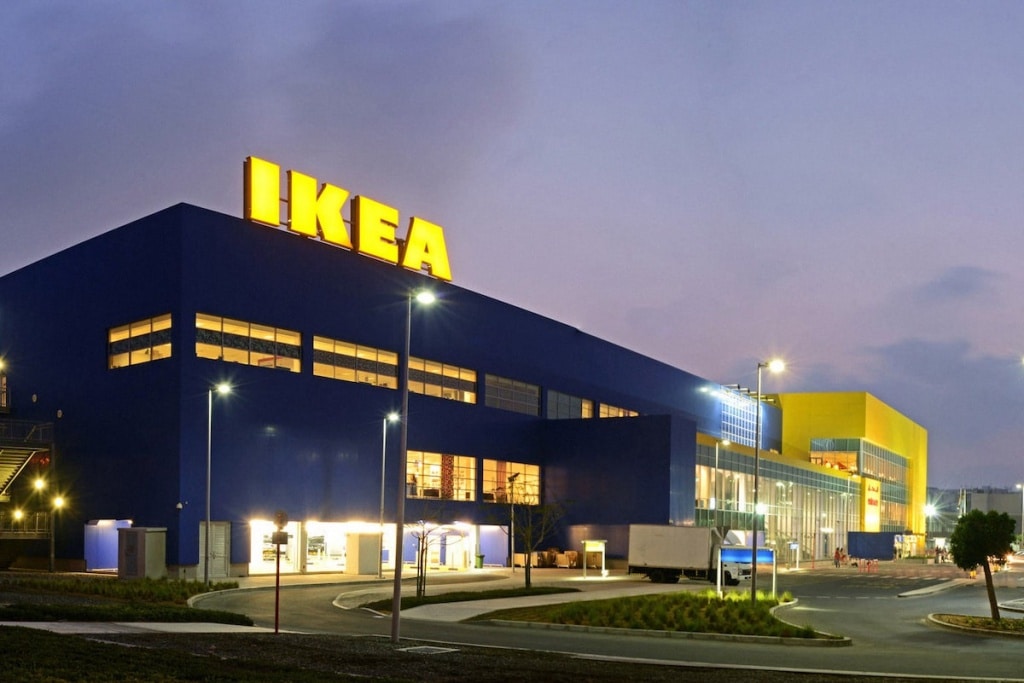
The long-awaited scheme to buy back and resell used furniture is expected to reduce the number of items sent to landfills.
From now on, buyers can return unwanted but in good condition furniture back to the manufacturer. In return, they will receive vouchers that can be spent in IKEA stores when they buy new items. The move is part of the retail giant’s push to become eco-friendly by 2030.
Used items returned in excellent condition with no scratches will be redeemed for 50 percent of the original cost. If they have minor blemishes, they drop the price by 40%. If the number of scratches on the furniture is high enough, the redemption amount will drop to 30%. The manufacturer will redeem items such as dressers, cabinets, bookcases and shelving, small tables, dining tables, and desks. The vouchers are perpetual and can be spent on any item or food.
Before bringing used furniture to the store, the buyer will first have to fill out a particular form on the company’s website. It is also noted that the furniture can only be delivered in assembled condition, as it can be damaged during disassembly. It is not very convenient, and that is why the company is now busy solving this issue.
Redeemed goods will then be resold in particular areas of “IKEA” stores, which will be called Circular Hubs. It is also announced about cooperation with Gumtree platform, which specializes in second-hand goods.
The program was scheduled to launch back in November 2020. But because of the coronavirus pandemic, it was decided to choose another, more favorable time. At the same time, the company admits that although the program has been successfully tested in several cities, it still requires some fine-tuning. So far, residents of 27 countries where IKEA has a presence can take advantage of the redemption program. But in the future, it plans to expand elsewhere.
The company announced plans to switch to renewable energy sources and materials and eliminate waste by 2030. The Ingka Group, IKEA’s parent company, recently announced that it would invest 4 billion euros in renewable energy.
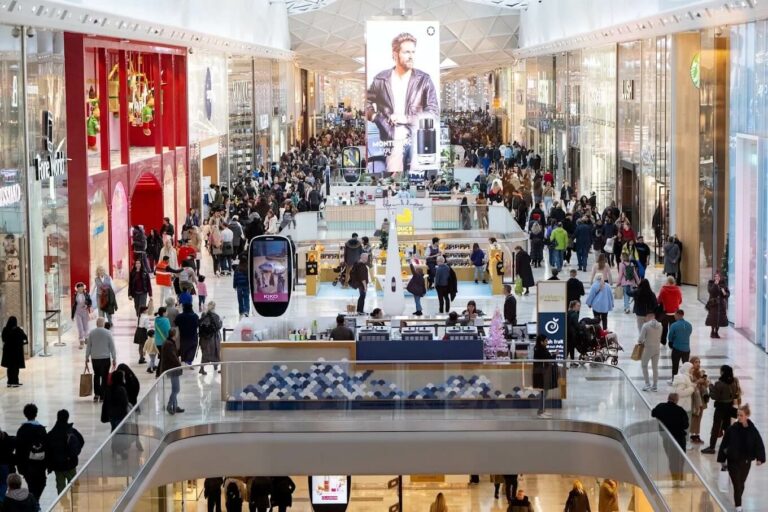
Bluewater opens its first new anchor since 1999. Next takes the former House of Fraser space with about 132,000 square…

Opening in IMAX 70mm on July 17, 2026: Christopher Nolan's The Odyssey. Select shows went on sale one year in…

European retail is scaling AI, agentic commerce and retail media, but consumer trust is becoming the constraint. Four structural shifts…

Mall operators are no longer leasing space for pop-ups. They are selling audience access.
Physical stores still drive most retail sales, fulfill online orders, support AI shopping, and help brands return to market.
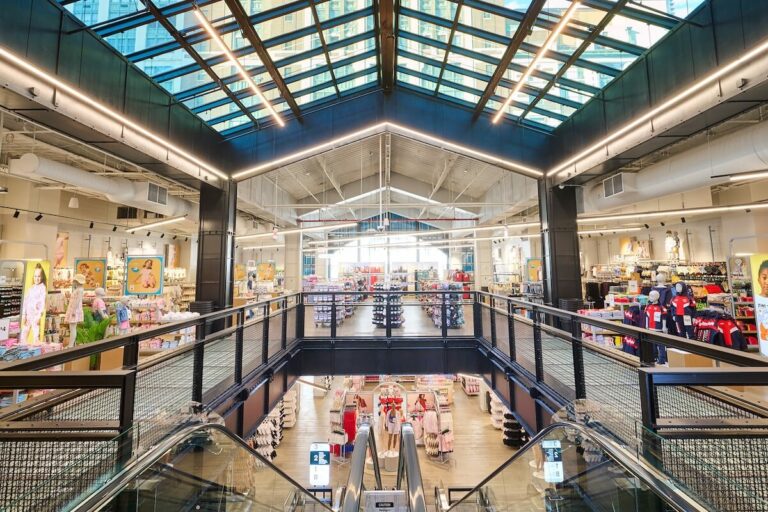
A practical guide to nine mall tenant formats in 2026, from flagships and pop-ups to anchor redevelopment and mixed-use retail.
Verified signals on brand expansion, store openings, and mall development. Free.
Free · No credit card · Unsubscribe any time
