
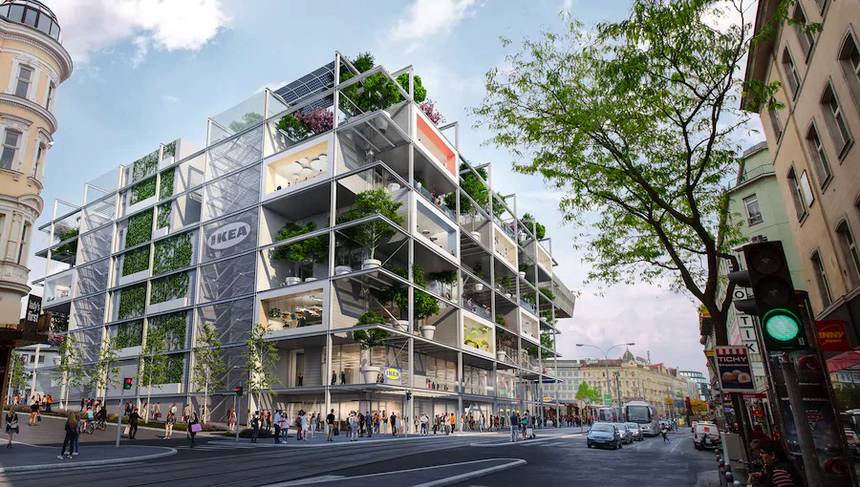
The company stated that buyers without cars are gradually becoming a new mega-trend.
Historically, IKEA stores have been a simple box, with impressive parking spaces, where shoppers lined up to fill the trunks of their SUVs with shopping. But times are changing, and in many countries, people are starting to give up cars gradually and can’t regularly leave town. And that’s one reason why IKEA is beginning to pay more attention to small-format stores within the city, where parking is not necessary. People like to go shopping; they want to look at and test things that cannot be done online. And if they can’t come to the store themselves, then the store has to go to them.
The new IKEA in Vienna focuses on pedestrians, cyclists, and people who come by subway, whose station is connected to the store. Anything too large to be transported will be delivered within 24 hours. But the furniture trade will not be limited to this, the store on Westbahnhof Street is expected to become the meeting point for the entire district. For this purpose, there will be space for relaxation and new experiences.
Instead of a boring box, IKEA decided to build something unusual and turned to the architects from the local studio querkraft architekten. And although the finished building is still rectangular, it looks like a place to go back to. According to the developers themselves, the design of the building “reflects the IKEA brand-friendly, open, non-standard, and relaxed.
The outside of the building is most reminiscent of shelves, with vases of plants placed on them, which are very numerous here. The roof terrace, which is open to the public, the greenery on all facade surfaces, the café, and the beautifully decorated outdoor area, are more of a meeting place than just a shopping area. Also, such a building will be a real decoration of the city. And the company’s expectation that people will be happy to visit this store during their leisure time looks more than justified.
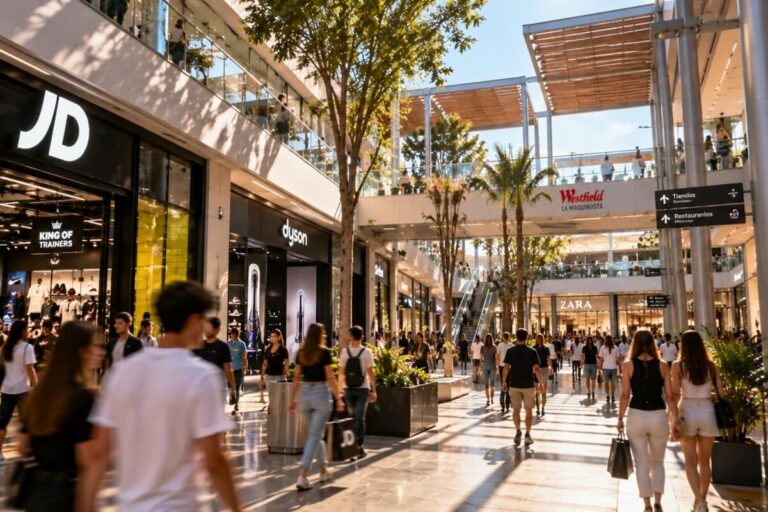
The vendors and deployments behind shopping advice, store navigation and retail operations, with a closer look at what it takes…
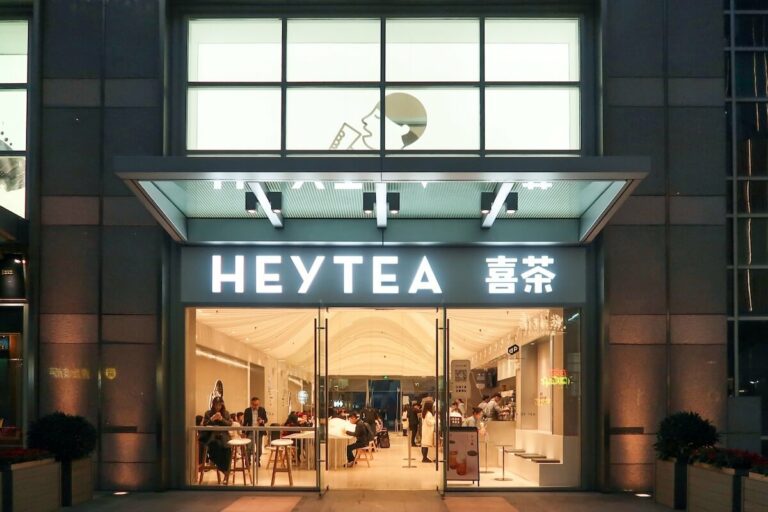
Miss A, Rowan and HEYTEA are on US mall opening lists in fall 2026. Their public records show what each…
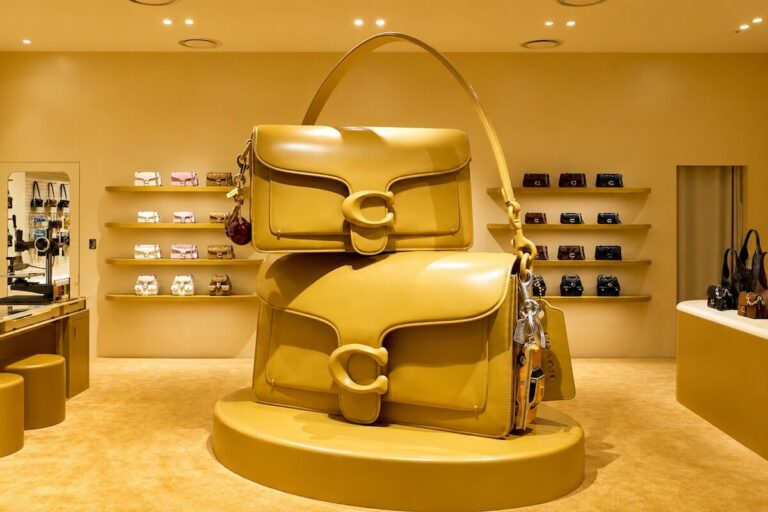
Gross margins and selected profit metrics for Coach, Pop Mart, lululemon, Miniso, Five Below, TJX and Costco, plus where each…
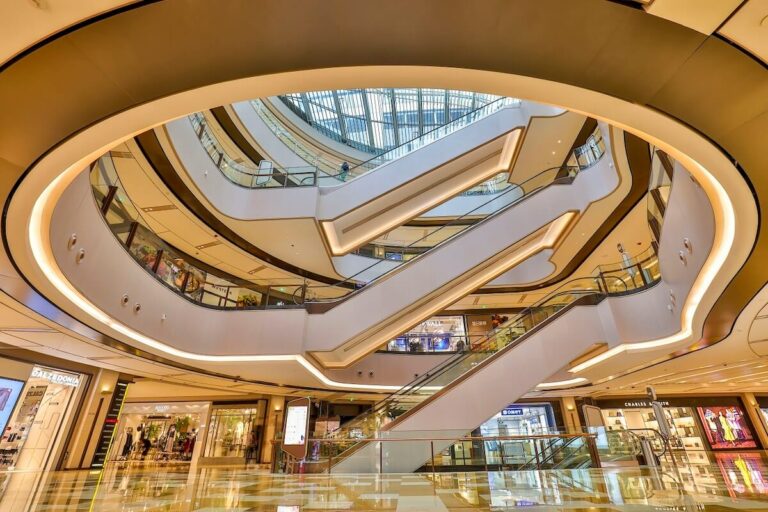
NikeSKIMS, Birkenstock and Starbucks Reserve chose HKRI Taikoo Hui for major China debuts. Why the Shanghai complex keeps winning new…
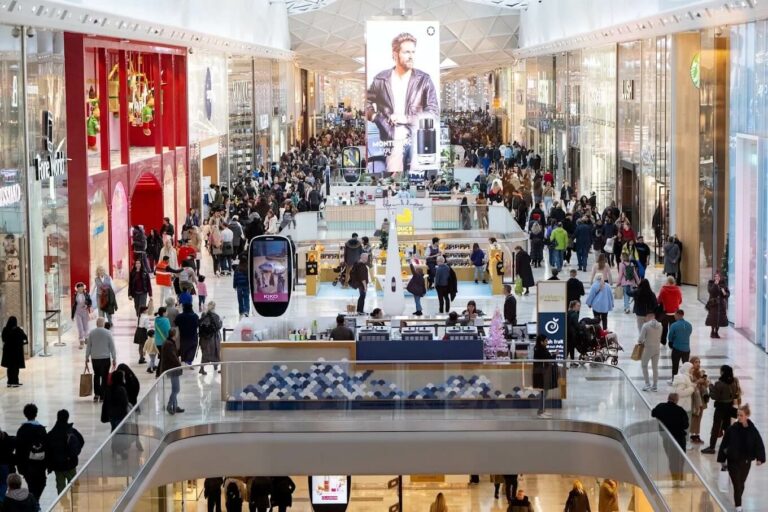
Bluewater opens its first new anchor since 1999. Next takes the former House of Fraser space with about 132,000 square…
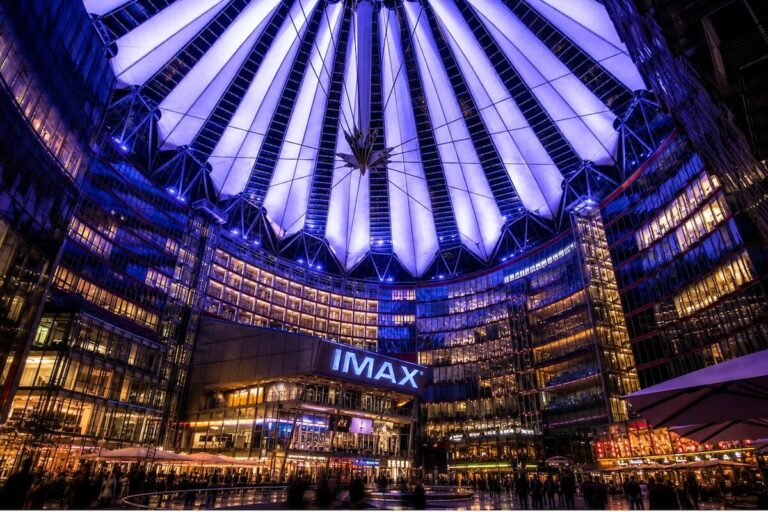
Opening in IMAX 70mm on July 17, 2026: Christopher Nolan's The Odyssey. Select shows went on sale one year in…
