

The Swedish Ingka Group, which owns and operates IKEA stores, bought 4,500 hectares of forestland in Georgia to help protect them from logging.
The land, purchased from the nonprofit conservation organization The Conservation Fund, is home to more than 350 plant and wildlife species. That includes endangered species. The transfer of these areas near the Altamaha River Basin to new ownership means that the forests and unique ecosystems that grow there can be preserved.
Coniferous forests once covered vast areas from southern Virginia to Florida. In Georgia, the long-coniferous pine accounted for about 50 percent of the land in the south half. But today, less than 4% of that luxury remains. Some of the forests were cut down when the land was cleared for agriculture. Some went to timber, and wildfires destroyed some. Preserving unique ecosystems today is one of the most critical tasks facing ecologists.
It is not Ingka Group’s first such purchase. Since 2014, the company has acquired about 250,000 hectares of forest land in the United States, Estonia, Latvia, Lithuania, and Romania. Along with Georgia, the group owns forest lands in Alabama, Oklahoma, South Carolina, and Texas. It is important to note that the company is acquiring areas and actively working with local conservation organizations to improve forest quality. It has also helped plant about 7 million seedlings in countries around the world.
According to Ingka Investments Managing Director Krister Mattsson, the company is committed to managing its acquired forests responsibly, preserving them, and improving their quality over time. Of particular importance is that the cultivated areas cannot be divided into small plots; they will forever remain a forested area. The company is also committed to balancing the economic, environmental, and social aspects associated with the forest.
Photo credit: depositphotos.com.
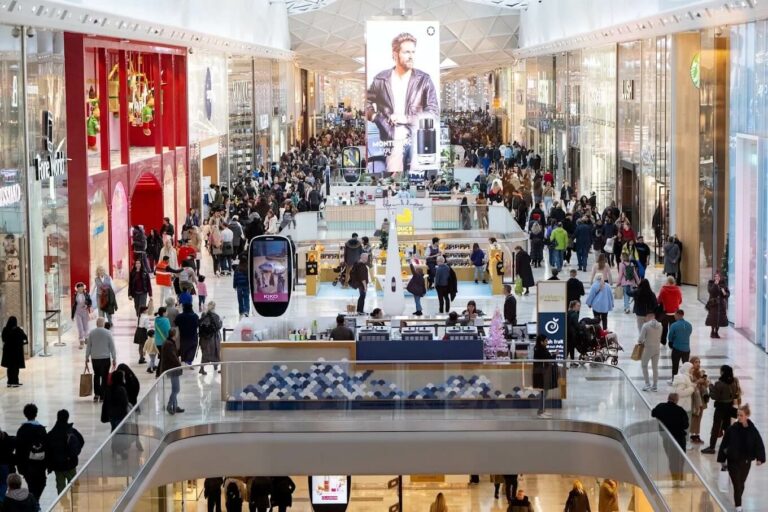
Bluewater opens its first new anchor since 1999. Next takes the former House of Fraser space with about 132,000 square…
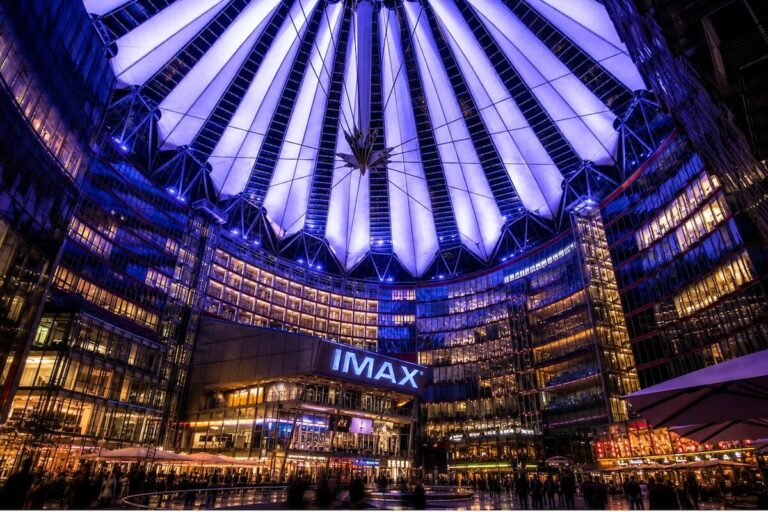
Opening in IMAX 70mm on July 17, 2026: Christopher Nolan's The Odyssey. Select shows went on sale one year in…

European retail is scaling AI, agentic commerce and retail media, but consumer trust is becoming the constraint. Four structural shifts…
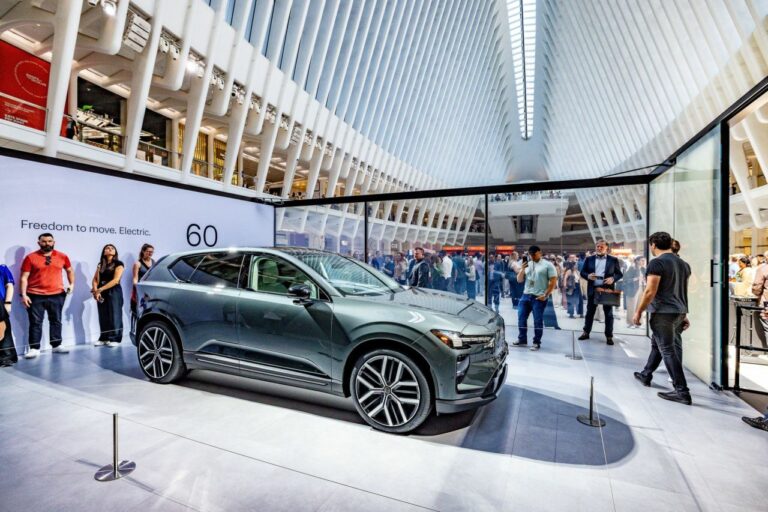
Mall operators are no longer leasing space for pop-ups. They are selling audience access.
Physical stores still drive most retail sales, fulfill online orders, support AI shopping, and help brands return to market.
A practical guide to nine mall tenant formats in 2026, from flagships and pop-ups to anchor redevelopment and mixed-use retail.
Verified signals on brand expansion, store openings, and mall development. Free.
Free · No credit card · Unsubscribe any time
