

For the first time in history, IKEA is preparing to give up the usual format of stores from shopping space planning.
The Swedish furniture giant presented a shop in Groningen, Netherlands, where instead of the usual layout of goods are ordered by price.
The main feature of the new IKEA store in Groningen is the sale of the so-called “full experience” instead of individual furniture and interior items. IKEA organizes the layout in such a way as to provide the customer with the opportunity to see, evaluate, and purchase an “entire room” instead of individual items.
IKEA experts developed the new experimental design of the shop for the Netherlands market based on the results of recommendations from employees as well as loyal customers of the company. Nowadays, the experiment is being closely watched all over the world, the company says. Among the goods, which are demonstrated in the new store, a particular room designed to accommodate students.
IKEA in Groningen is also testing a model of interaction with relatively low-income customers. In particular, all models are placed in ascending order of price in the Kitchen Gallery to help shoppers find products based on their anticipated budget.
The official opening of the new IKEA store in Groningen took place in early July. The total retail space is about 30,000 sqm. There are many “short” routes in the shop, designed specifically for people coming “just for candles” or other goods.

The vendors and deployments behind shopping advice, store navigation and retail operations, with a closer look at what it takes…
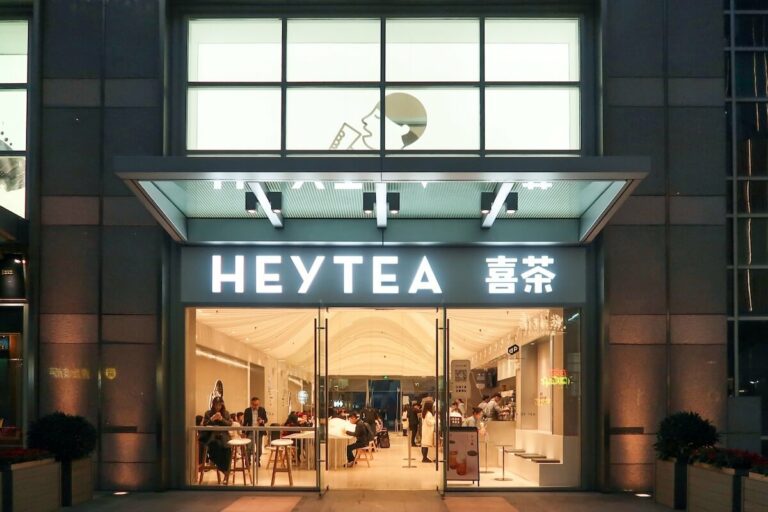
Miss A, Rowan and HEYTEA are on US mall opening lists in fall 2026. Their public records show what each…
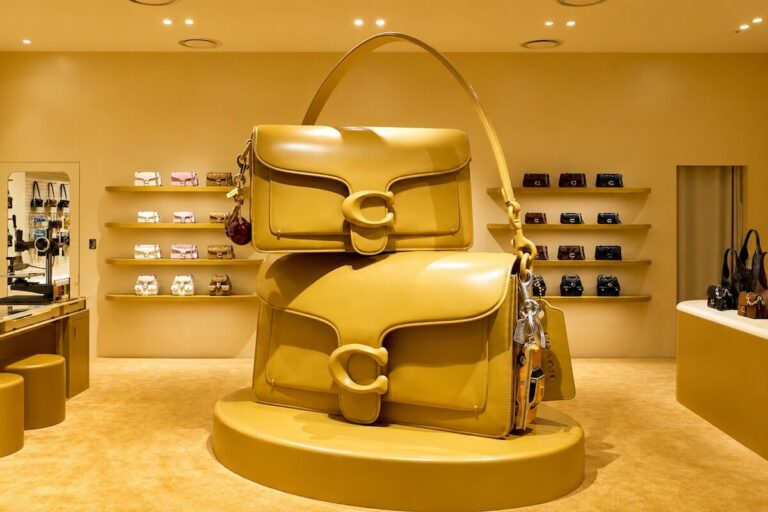
Gross margins and selected profit metrics for Coach, Pop Mart, lululemon, Miniso, Five Below, TJX and Costco, plus where each…
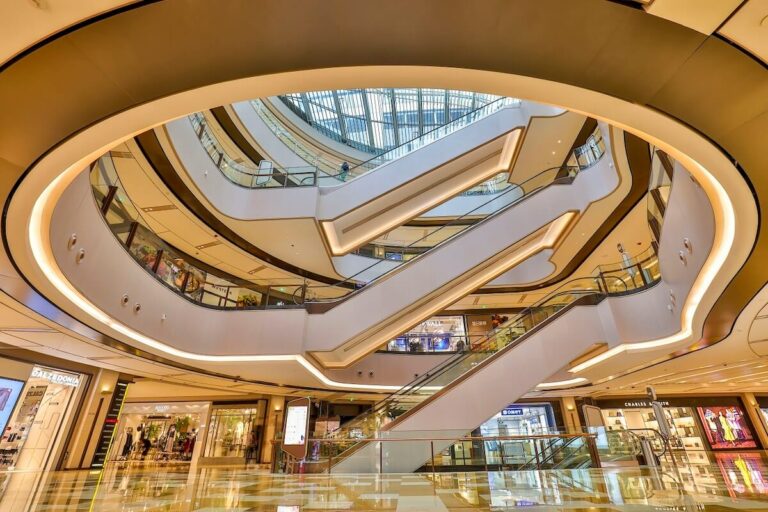
NikeSKIMS, Birkenstock and Starbucks Reserve chose HKRI Taikoo Hui for major China debuts. Why the Shanghai complex keeps winning new…

Bluewater opens its first new anchor since 1999. Next takes the former House of Fraser space with about 132,000 square…

Opening in IMAX 70mm on July 17, 2026: Christopher Nolan's The Odyssey. Select shows went on sale one year in…
