

The vast mall’s construction will cost $760 million, and the project is expected to be completed in seven years.
A division of Ingka Group, Ingka Centers, responsible for IKEA stores in shopping malls, has begun construction of a new center in India. The mall will be located in Noida, Uttar Pradesh, which is part of the Delhi metropolitan area.
The brand’s first outlet opened in the country back in 2018 (currently two IKEAs operating in India). Still, the new project will be more than just another store-the company plans to build a large-scale megamall, with spaces for various purposes. It is an entirely new undertaking for India, which is quite impressive even on a global scale.
The structure itself will be two multi-story buildings, with plans to erect no less than 20 floors. There will be shopping blocks, entertainment areas, business space, and much more. The company plans to create a new generation of a shopping mall, connecting various places and directions.
The site area, which Ingka Centers have already acquired, is more than 47 thousand square meters. The project will invest about $760 million, with construction time estimated at seven years.
Thus, the company makes a significant step to the promising Indian market and plans to support the local economy. The project will provide thousands of jobs for local specialists, support infrastructure development, and support organized retail trade growth in the region.
Photo credit: depositphotos.com.

Gross margins and selected profit metrics for Coach, Pop Mart, lululemon, Miniso, Five Below, TJX and Costco, plus where each…
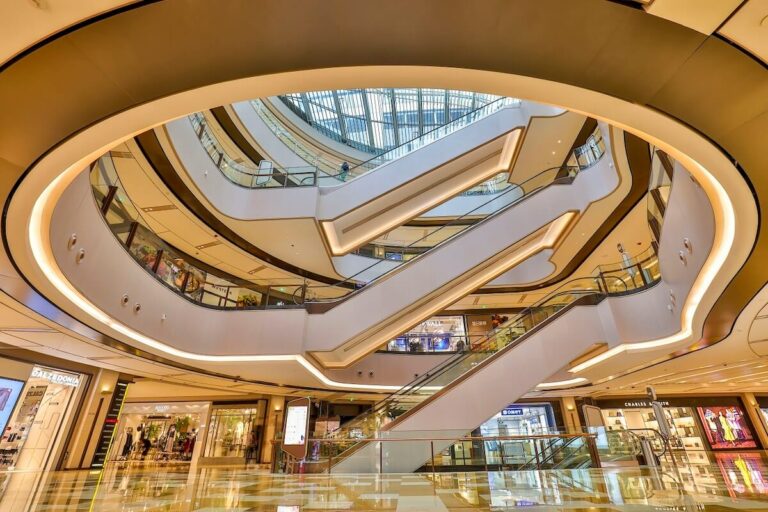
NikeSKIMS, Birkenstock and Starbucks Reserve chose HKRI Taikoo Hui for major China debuts. Why the Shanghai complex keeps winning new…
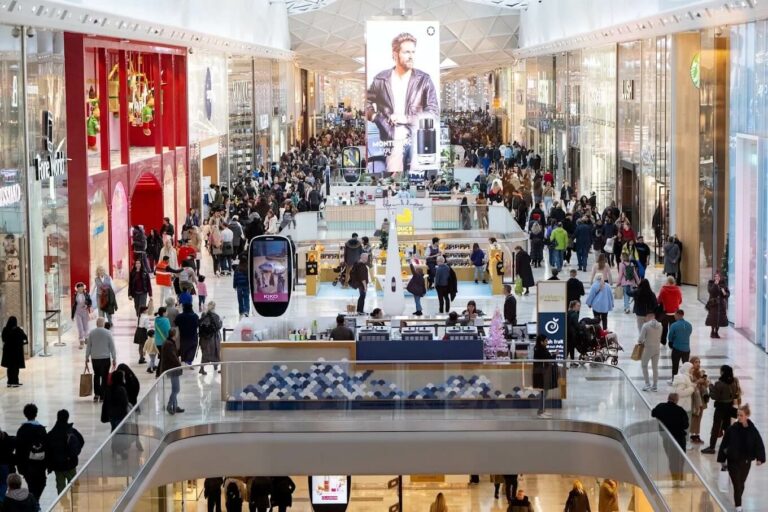
Bluewater opens its first new anchor since 1999. Next takes the former House of Fraser space with about 132,000 square…

Opening in IMAX 70mm on July 17, 2026: Christopher Nolan's The Odyssey. Select shows went on sale one year in…

European retail is scaling AI, agentic commerce and retail media, but consumer trust is becoming the constraint. Four structural shifts…

Mall operators are no longer leasing space for pop-ups. They are selling audience access.
