
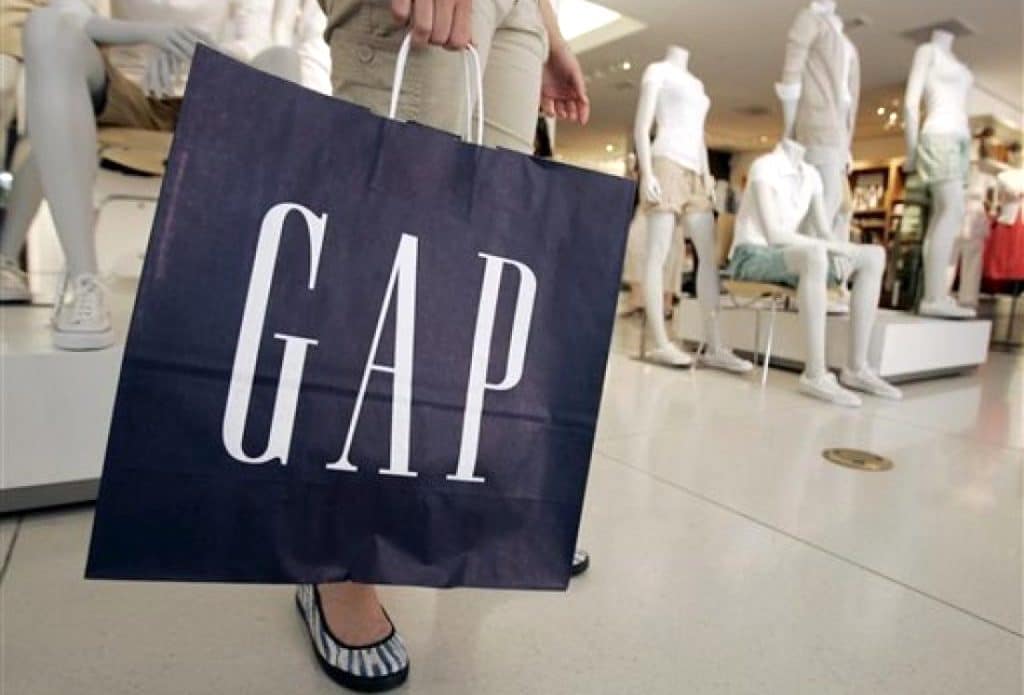
The company is experiencing unprecedented cash shortages due to the retailer’s shop closures.
The company said that since February, the amount in its accounts has decreased by one billion U.S. dollars, and in a week could reach about 750 million. According to GAP’s management, shortly, retailers need to find methods to preserve and additional sources of working capital, as the current level of their inflow does not allow them to maintain the operational viability of the business.
GAP is making every effort to stay afloat. Approximately 80,000 employees are already on leave without pay. It was also decided not to pay rent for those stores of the chain, which are now temporarily closed. In North America alone, this move will save around 115 million dollars a month.
Now GAP, which also has to pay rent for Old Navy and Banana Republic stores, is negotiating with the landlords on the terms of the lease for the period when the stores will reopen. But there is no guarantee that agreements will be reached yet, and there is a high probability that some retail outlets will not open.
Apart from the closure of stores and the general decline in the economy, an essential factor in the weakening of the retailer’s position was the fact that consumer interest in clothes and fashion products in March and April has severely declined. Shoppers prefer to buy food and necessities, postponing the purchase of clothing. Even with government assistance, the position of GAP, as well as other retailers, is unlikely to improve shortly. In the industry as a whole, experts suggest a significant drop in sales and an increase in the number of bankruptcies of market participants.

European retail is scaling AI, agentic commerce and retail media, but consumer trust is becoming the constraint. Four structural shifts…
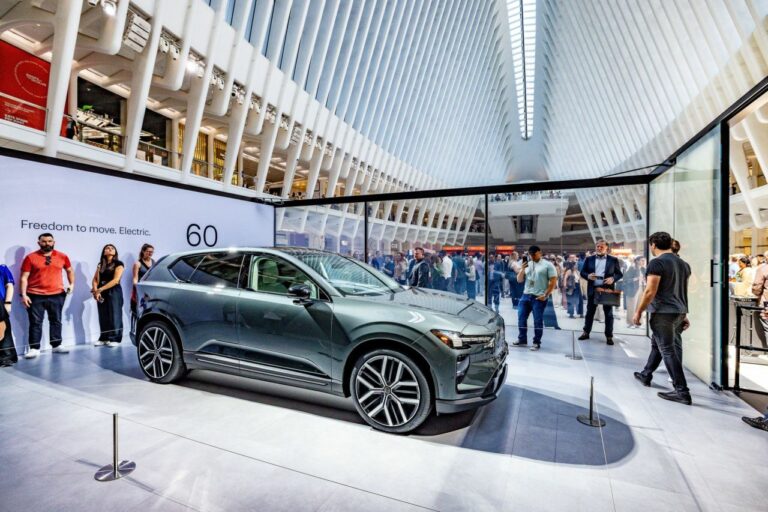
Mall operators are no longer leasing space for pop-ups. They are selling audience access.
Physical stores still drive most retail sales, fulfill online orders, support AI shopping, and help brands return to market.
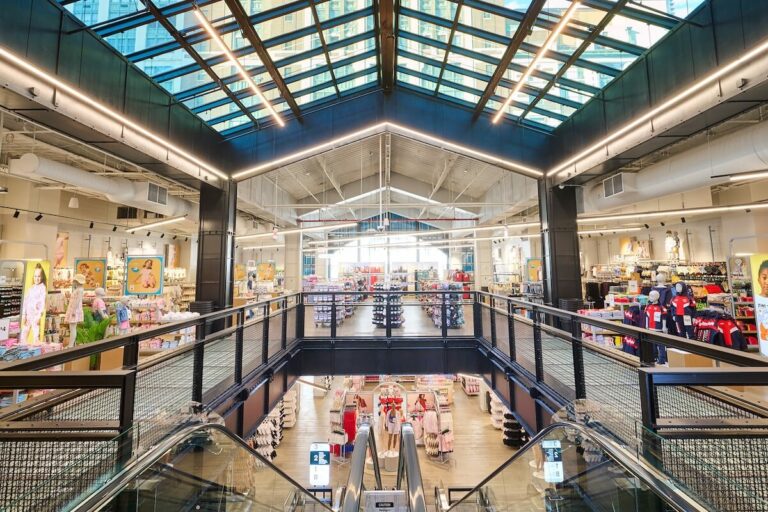
A practical guide to nine mall tenant formats in 2026, from flagships and pop-ups to anchor redevelopment and mixed-use retail.
1,051 of 1,173 US malls hold zero ultra-luxury brands. Half of all Cartier, Chanel, Hermès, and Louis Vuitton mall stores…
Every physical expansion decision starts with the same question: where does the store go?
Verified signals on brand expansion, store openings, and mall development. Free.
Free · No credit card · Unsubscribe any time
