
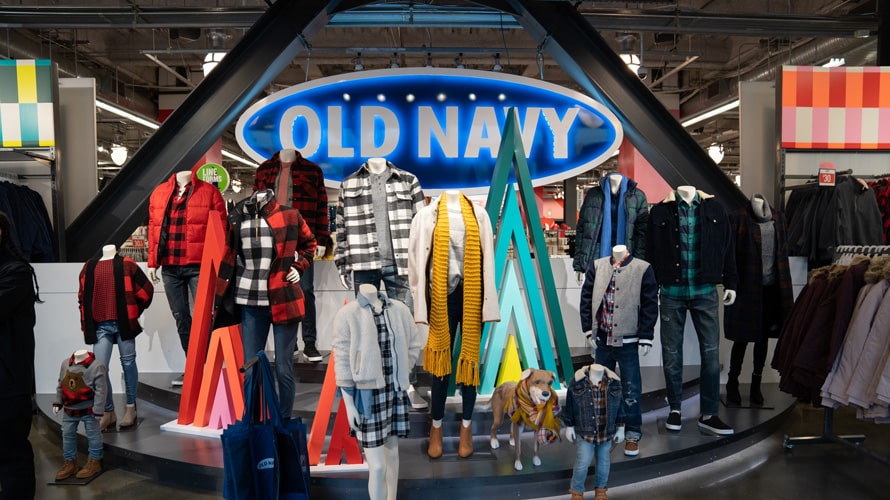
Gap has changed its mind about making Old Navy a separate company.
According to the management of Gap, the procedure of transformation of Old Navy brand into a separate company will be too “complicated and expensive.”
The intention to separate Old Navy into a separate company was announced back in March 2019. It was expected that this procedure would allow conducting a complete restructuring of Gap Inc., which has long been doing not in the best way. The young brand was expected to gain independence in the foreseeable future, but in the end, something went wrong.
The interim president and CEO of Gap Inc. Robert Fisher said that in the process of highlighting Old Navy, some facts came up that “shed a bright light on operational inefficiency” and showed areas for improvement. As a result, the board felt the spin-off process would cost the company too much while its effectiveness was in question. However, the findings are expected to make the company’s management “tougher and fundamentally new.”
In other words, it was decided to restructure the company again without resorting to extreme measures. The company also shared information that Neil Fiske, president, and CEO of Gap brand, will leave the company. Fiske’s departure is just one of the last in the ongoing change of executive power at Gap Inc. Earlier, in November 2019, CEO Arthur Peck resigned, having held his position for the past 15 years.
The story of Old Navy is a classic example of a young brand that has become too competitive with its parent company. Established in 1994, it eventually outperformed the leading Gap brand. However, the problems of Gap Inc. have recently touched upon it as well – in 2019, Old Navy sales were announced to fall by 4%.

European retail is scaling AI, agentic commerce and retail media, but consumer trust is becoming the constraint. Four structural shifts…
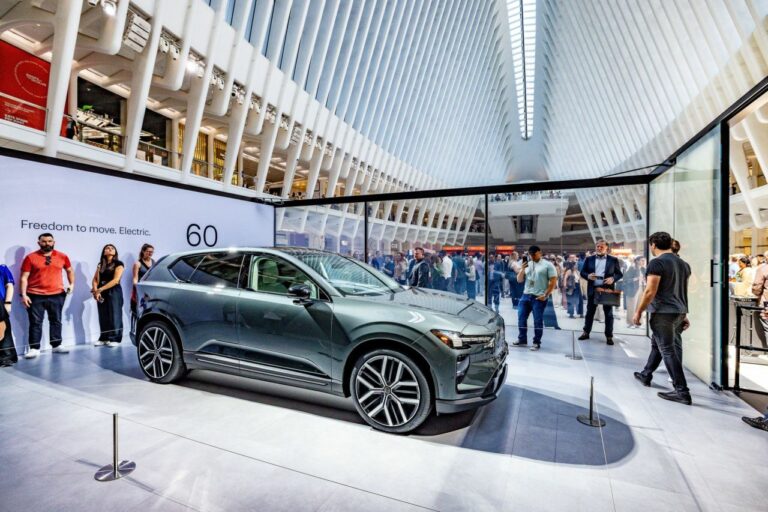
Mall operators are no longer leasing space for pop-ups. They are selling audience access.
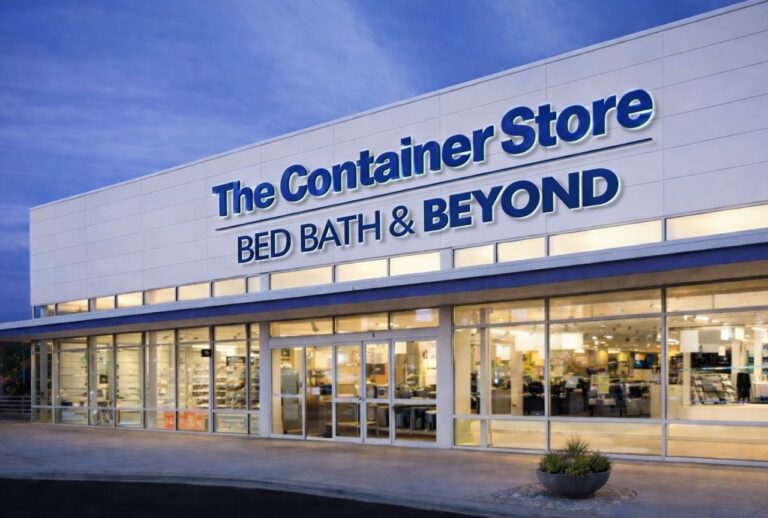
Physical stores still drive most retail sales, fulfill online orders, support AI shopping, and help brands return to market.
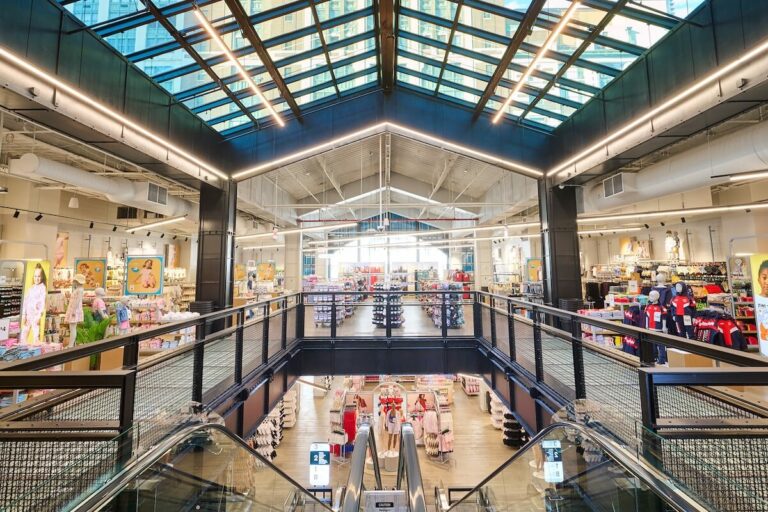
A practical guide to nine mall tenant formats in 2026, from flagships and pop-ups to anchor redevelopment and mixed-use retail.
1,051 of 1,173 US malls hold zero ultra-luxury brands. Half of all Cartier, Chanel, Hermès, and Louis Vuitton mall stores…

Every physical expansion decision starts with the same question: where does the store go?
Verified signals on brand expansion, store openings, and mall development. Free.
Free · No credit card · Unsubscribe any time
