
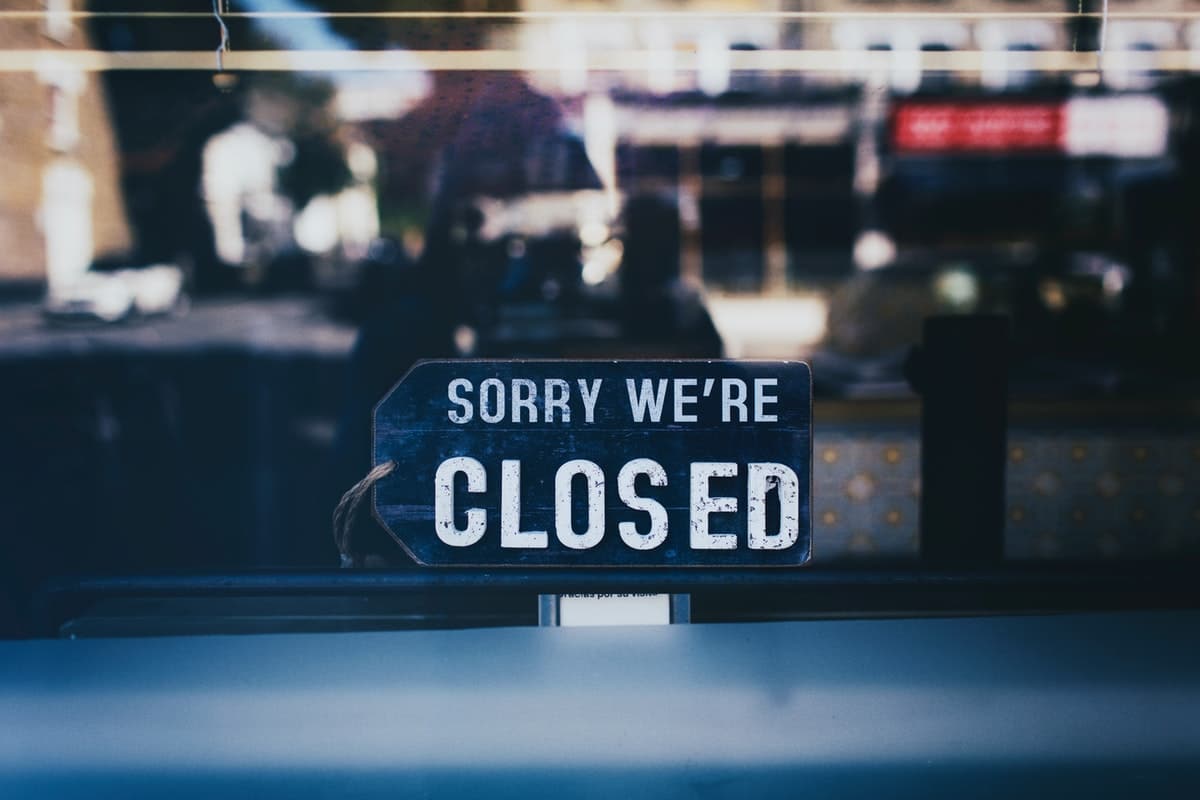
By 2026, the retail market will lose about 9 percent of all retail stores.
Although the rate of U.S. retail store closures has slowed since the 2019 peak, analysts expect the trend to continue. There are too many physical retail outlets per capita, given the continued exodus of shoppers online.
At the end of 2020, there were about 115,000 malls in the U.S., including outlet stores and lifestyle centers. By comparison, back in 2000, their number was as high as 90,000. Thus, per U.S. family has 5.4 square meters of retail space, analysts said UBS.
They estimate that by 2026 the market will lose about 9% of all retail stores, about 80 thousand retail facilities. Online channels will account for 27% of the entire retail mix, versus 18% today, CNBC writes.
“The enduring legacy of the pandemic is that online penetration has increased dramatically. We expect it to continue to grow, which will further rationalize retail stores, especially as some of the government’s extraordinary support measures wane,” commented analyst Michael Lasser.
According to the research report, U.S. retailers will close a combined 3,169 stores in 2021, with 3,535 new openings. In 2019, there were 9,832 store closures in the U.S. retail market, and in 2020, the number of closures dropped to 8,741 outlets.
The UBS study authors believe a government program that encourages consumers to spend money on goods in the absence of travel and entertainment is currently helping traditional retailers. But these trends will not be long-lasting, which will eventually lead to more retail store closures. The most challenging situation will arise in the fashion retail market, where about 21,000 stores, including mall space, will close cumulatively by 2026. In contrast, losses in the home improvement, food, and auto parts segments will be minimal, despite the growth of e-commerce.

European retail is scaling AI, agentic commerce and retail media, but consumer trust is becoming the constraint. Four structural shifts…
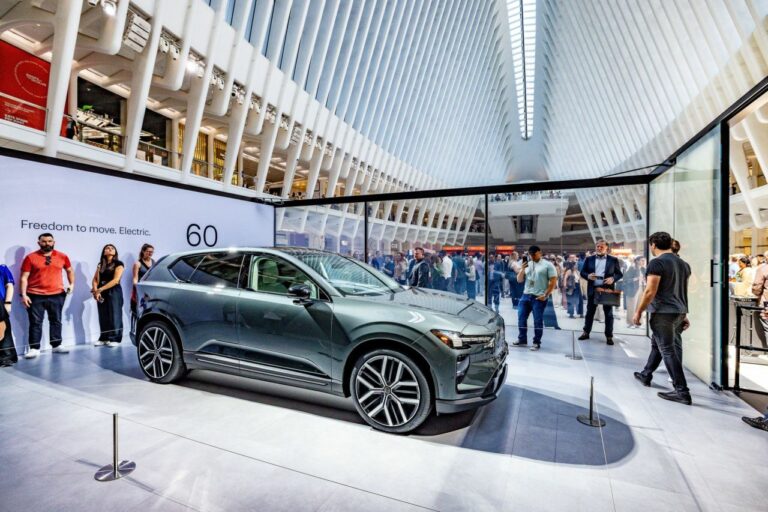
Mall operators are no longer leasing space for pop-ups. They are selling audience access.
Physical stores still drive most retail sales, fulfill online orders, support AI shopping, and help brands return to market.
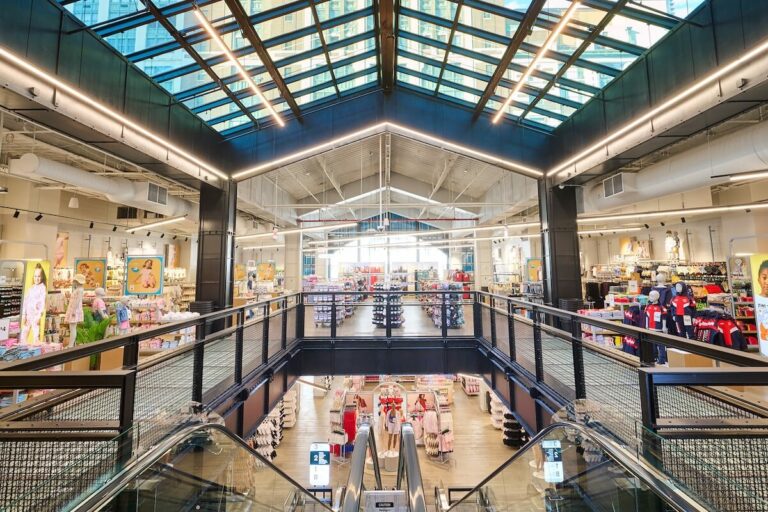
A practical guide to nine mall tenant formats in 2026, from flagships and pop-ups to anchor redevelopment and mixed-use retail.
1,051 of 1,173 US malls hold zero ultra-luxury brands. Half of all Cartier, Chanel, Hermès, and Louis Vuitton mall stores…
Every physical expansion decision starts with the same question: where does the store go?
Verified signals on brand expansion, store openings, and mall development. Free.
Free · No credit card · Unsubscribe any time
