

It is expected that the number of shopping center within China will double by 2016, to reach 600.
This
is almost a 100% increase from the 360 it had during 2013 to 2014.
This drastic increase will create a huge challenge for operators of
these centers.
KK
Fung, the managing director for Greater China at the real estate
service provider, Jones Lang LaSalle, said this booming shopping
center market within China is very much like the massive supply of
commercial premises within the US during the 1970s and 1980s. He
said it will be crucial for operators of these centers to attract
both customers and retailers.
He
added that operators may have to adjust their operation methods to
overcome the impact the e-commerce industry may have. An example he
provided included creating plans for the improvement of customer
experiences.
In
the past, shopping centers offered cinemas, play areas for children,
coffee shops and beauty parlors, but according to Fung, a wider
selection of brands is also important. He stated that the centers
within China should use more initiative when rolling out new brands.
He
remains optimistic about the market as he believes that centers could
meet the demands for recreation and socializing.

European retail is scaling AI, agentic commerce and retail media, but consumer trust is becoming the constraint. Four structural shifts…
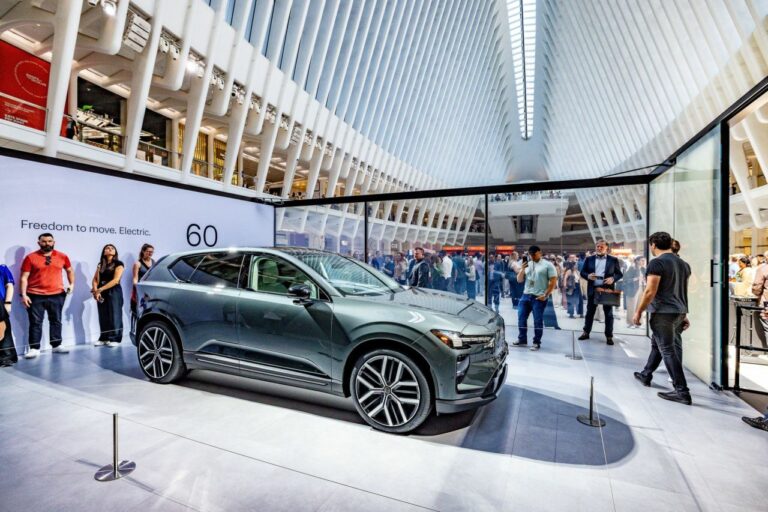
Mall operators are no longer leasing space for pop-ups. They are selling audience access.

Physical stores still drive most retail sales, fulfill online orders, support AI shopping, and help brands return to market.
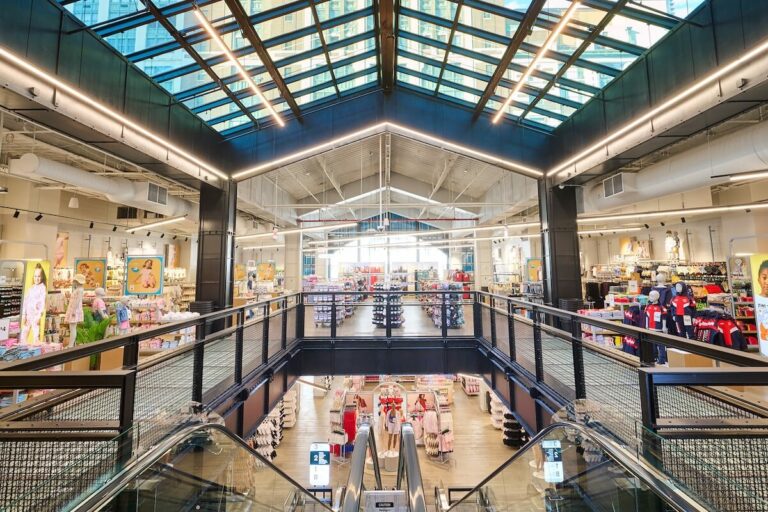
A practical guide to nine mall tenant formats in 2026, from flagships and pop-ups to anchor redevelopment and mixed-use retail.
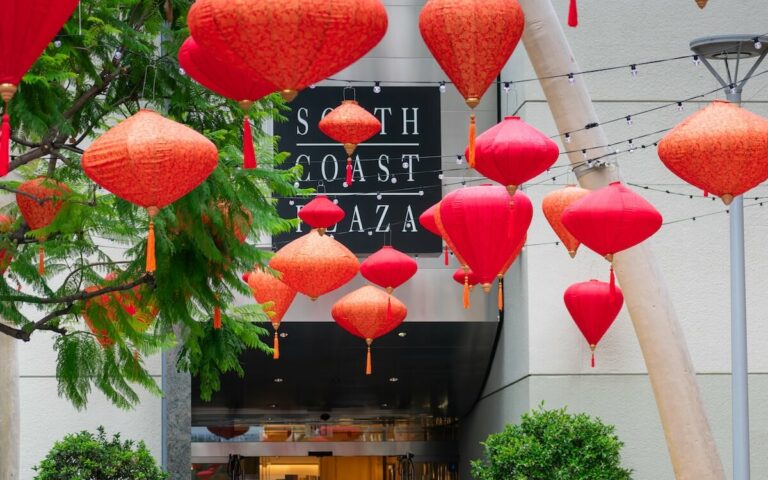
1,051 of 1,173 US malls hold zero ultra-luxury brands. Half of all Cartier, Chanel, Hermès, and Louis Vuitton mall stores…

Every physical expansion decision starts with the same question: where does the store go?
Verified signals on brand expansion, store openings, and mall development. Free.
Free · No credit card · Unsubscribe any time
