

The court noted that the logotypes were similar and stressed that the differences were too significant for customers to confuse them.
Chinese electronics maker Huawei is embroiled in a legal battle with fashion brand Chanel over the logo it has chosen to use in Europe. The new logo, which was updated in 2017, is a stylized letter “H” made up of two half-rings resembling chain links. For telecommunications technology company Huawei, the chain symbol is a reminder of the connections between people that the company helps make.
But for Chanel, the chosen logo seemed too similar to the famous mirror image of the letter “C,” a reference to the name of the brand’s founder, Coco Chanel. As a result, the companies entered into litigation.
Back in 2019, the EU Intellectual Property Office rejected Chanel’s objection, ruling that there were no significant similarities between the logos. The fashion brand then appealed the decision to the General Court of the European Union. Proceedings on the case finally ended on April 21.
The EU General Court in Luxembourg ruled that the logos “have some similarities, but their visual differences are significant. It is particularly emphasized that the Chanel symbol has more rounded curves and thicker lines than the Huawei logo. And the most crucial difference is the vertical orientation of the logo of the Chinese manufacturer, while the letters of Chanel are located horizontally. Even with a remote resemblance, customers will still not mix the two images. Thus, Huawei has the full right to use the chosen logo for computer equipment on the European market.
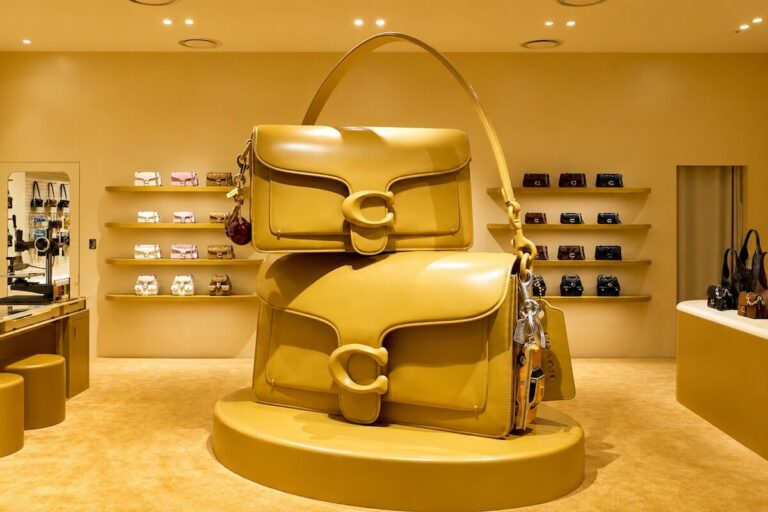
Gross margins and selected profit metrics for Coach, Pop Mart, lululemon, Miniso, Five Below, TJX and Costco, plus where each…
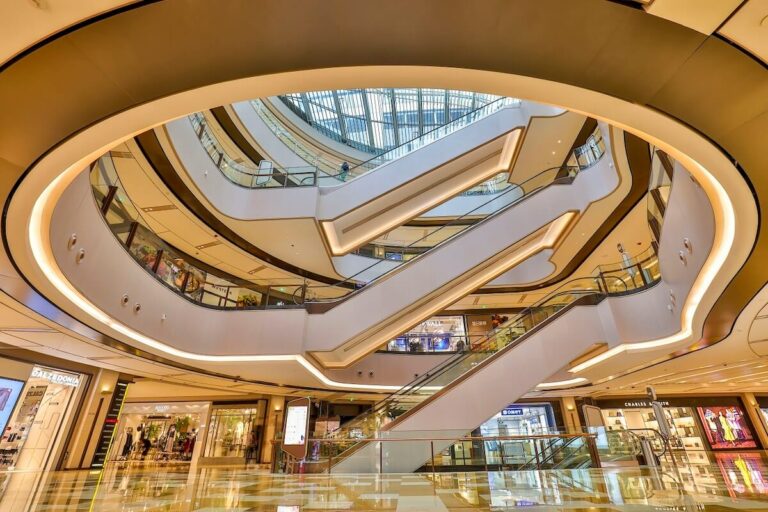
NikeSKIMS, Birkenstock and Starbucks Reserve chose HKRI Taikoo Hui for major China debuts. Why the Shanghai complex keeps winning new…
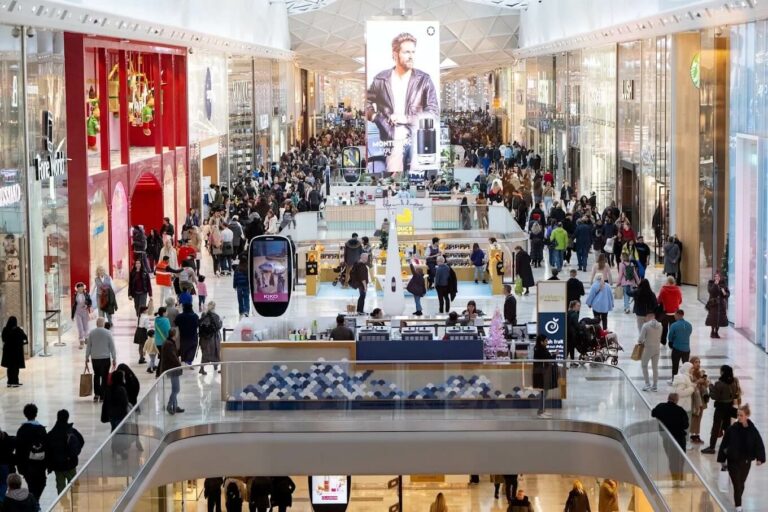
Bluewater opens its first new anchor since 1999. Next takes the former House of Fraser space with about 132,000 square…
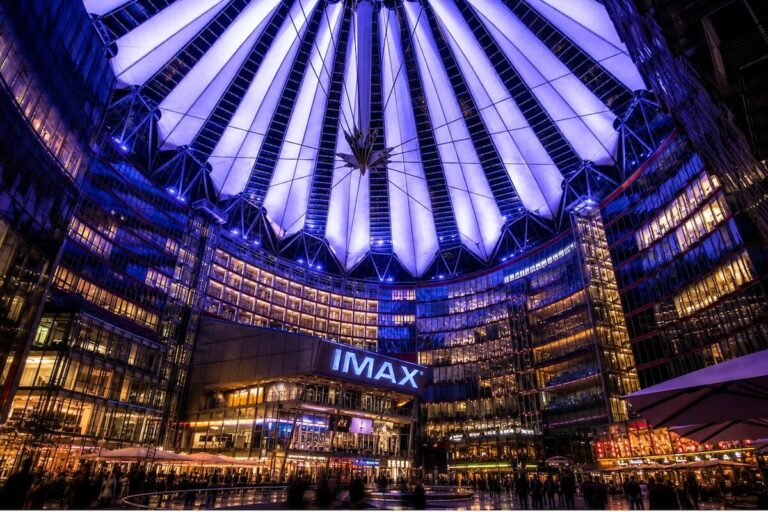
Opening in IMAX 70mm on July 17, 2026: Christopher Nolan's The Odyssey. Select shows went on sale one year in…
European retail is scaling AI, agentic commerce and retail media, but consumer trust is becoming the constraint. Four structural shifts…
Mall operators are no longer leasing space for pop-ups. They are selling audience access.
