
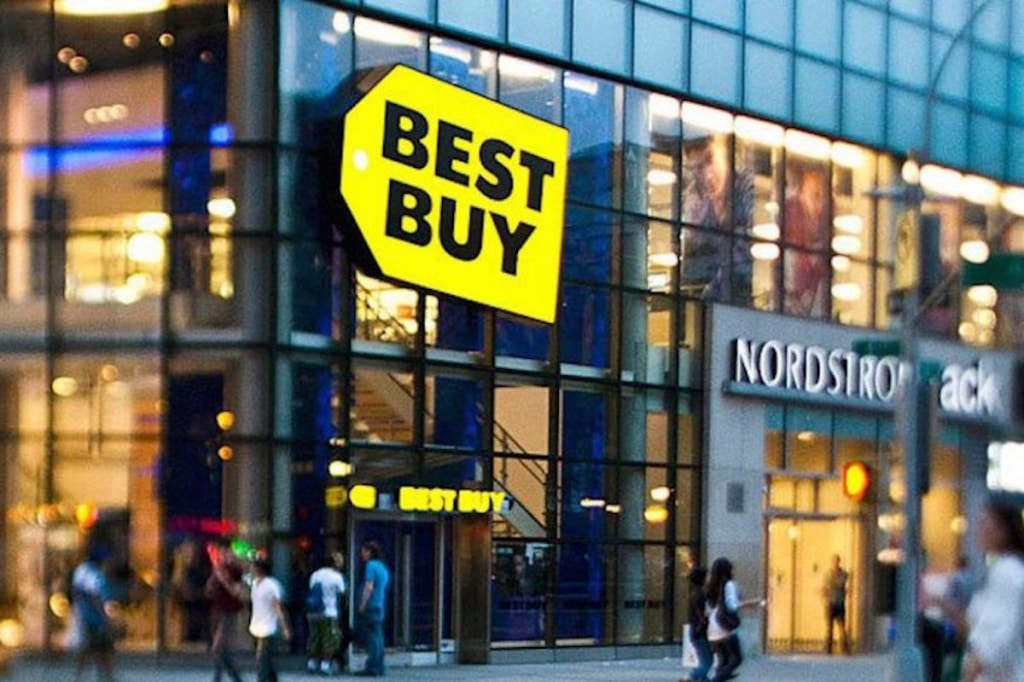
An American retailer is turning a quarter of its stores into online order processing centers.
One of the largest home appliance and electronics retailers in the U.S. is reporting a change in its strategy. The innovations will be a response to the growing interest of customers in online ordering, as opposed to visiting physical stores. This process was significantly intensified by the coronavirus pandemic, when even large household appliances consumers began ordering more and more online, preferring not to go to stores at all. In the second quarter of 2020 alone, online sales of Best Buy in the U.S. grew 242 percent.
As early as next month, the retailer will redirect about a quarter of its stores to distribution centers that can handle more online orders. We’re talking about 250 stores out of an estimated 1,000 managed by Best Buy. While delivery is possible from all stores in the network, the new centers will be able to provide a new approach to this process and will cope with a much larger flow of orders. At the same time, the execution of orders will be accelerated, and their processing will be more efficient in the busiest periods, such as pre-holidays.
According to CEO Corey Barry, the emphasis is not on reducing the number of stores, but on their alternative use and “meeting the customer where he wants to be met.” The company defines the project itself as a pilot and experimental one, which will help the company determine in what direction to continue development in changing conditions.
Such a dramatic shift towards online shopping for a retailer who has traditionally relied on physical stores suggests that customer behavior may have changed, if not forever, over time.
The vendors and deployments behind shopping advice, store navigation and retail operations, with a closer look at what it takes…
Miss A, Rowan and HEYTEA are on US mall opening lists in fall 2026. Their public records show what each…
Gross margins and selected profit metrics for Coach, Pop Mart, lululemon, Miniso, Five Below, TJX and Costco, plus where each…
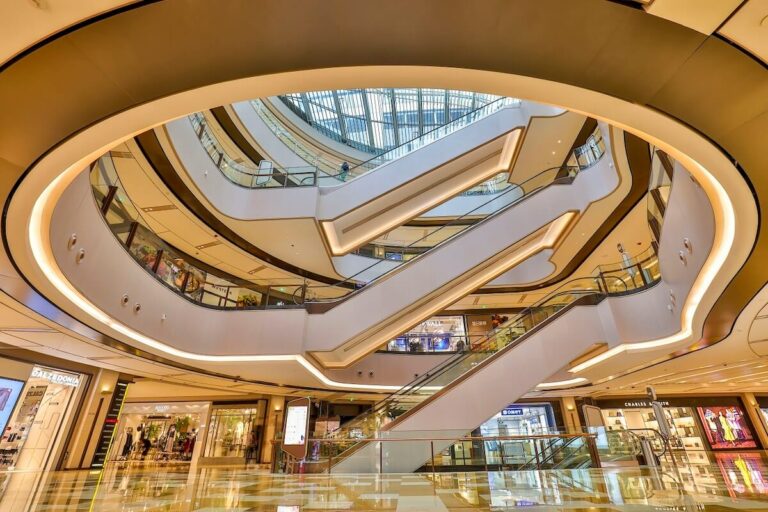
NikeSKIMS, Birkenstock and Starbucks Reserve chose HKRI Taikoo Hui for major China debuts. Why the Shanghai complex keeps winning new…
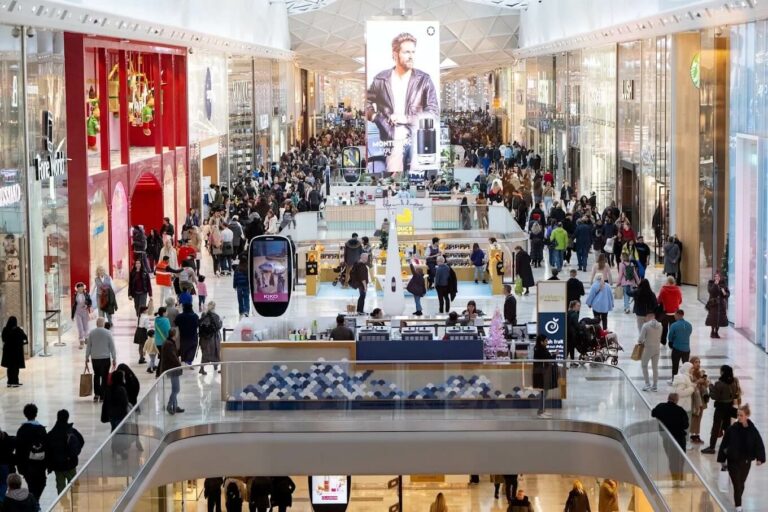
Bluewater opens its first new anchor since 1999. Next takes the former House of Fraser space with about 132,000 square…
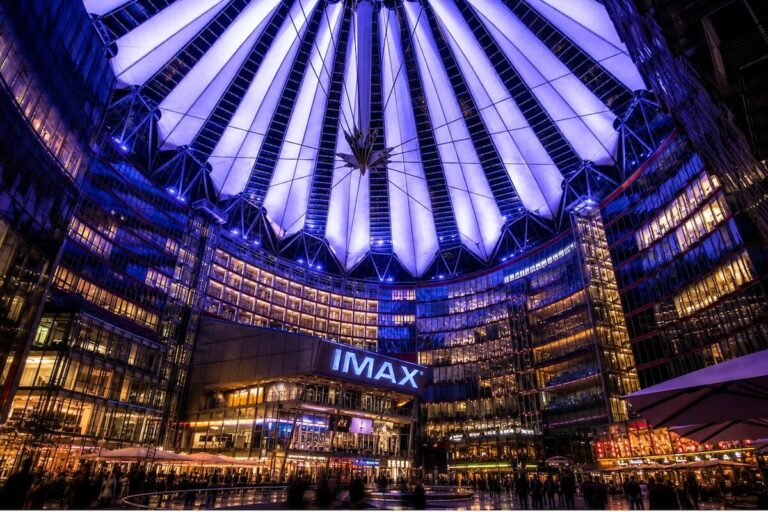
Opening in IMAX 70mm on July 17, 2026: Christopher Nolan's The Odyssey. Select shows went on sale one year in…
