

Restrictions have been imposed on residents leaving their homes for no good reason. Shopping centers and many other facilities have closed.
Since November 3, Austria has already introduced several restrictions designed to reduce mass crowds and prevent coronavirus spread. Restaurants, theaters, sports clubs, and other institutions have been restricted. Students and high school students have switched to distance learning.
However, such measures were not enough and assessed the country’s epidemiological situation. It was decided to introduce a strict quarantine regime from November 17. The presumptive date of the end of the lockdown is December 6. Milder measures have not led to sufficient containment of the number of cases. Such severe restrictions are a forced measure.
Strict quarantine measures are introduced for residents who leave their place of residence for any reason, including going to work, shopping, walking, medical care, and others. High school and junior high school students have now also switched to distance learning and high school students. As for remote work, employers are advised to switch to this mode where possible. It is also mandatory to wear a mask when visiting public places.
As for shopping centers, they are closed to the public, as well as beauty industry facilities. How the three-week lockdown will affect those affected is difficult to guess because retail has become one of the most affected industries and has not yet managed to recover from the pandemic’s first wave. At the same time, food supermarkets, health care facilities, communication salons, ateliers, service centers, and the like will continue to operate.
Photo credit: depositphotos.com.
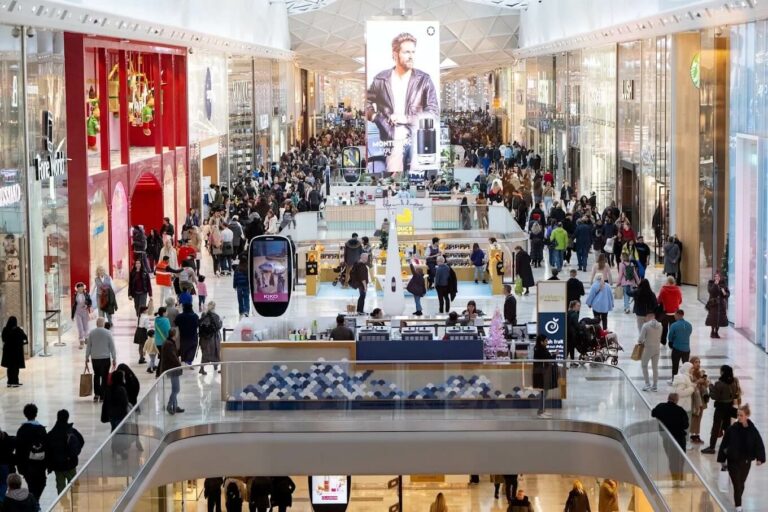
Bluewater opens its first new anchor since 1999. Next takes the former House of Fraser space with about 132,000 square…
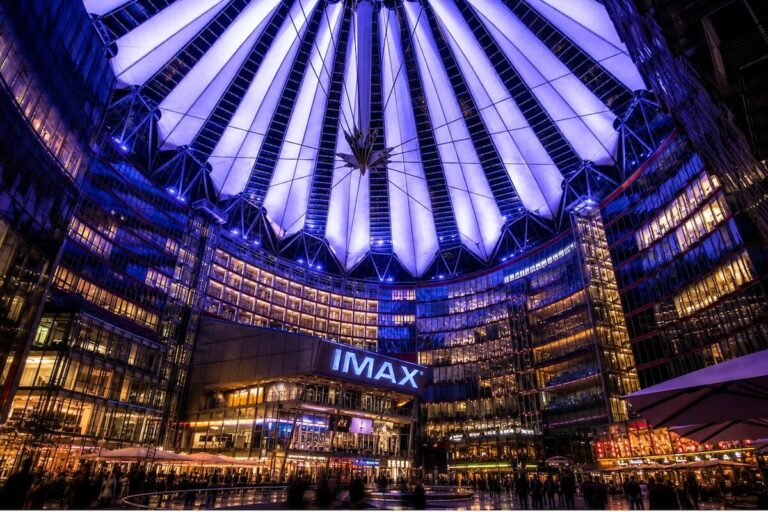
Opening in IMAX 70mm on July 17, 2026: Christopher Nolan's The Odyssey. Select shows went on sale one year in…
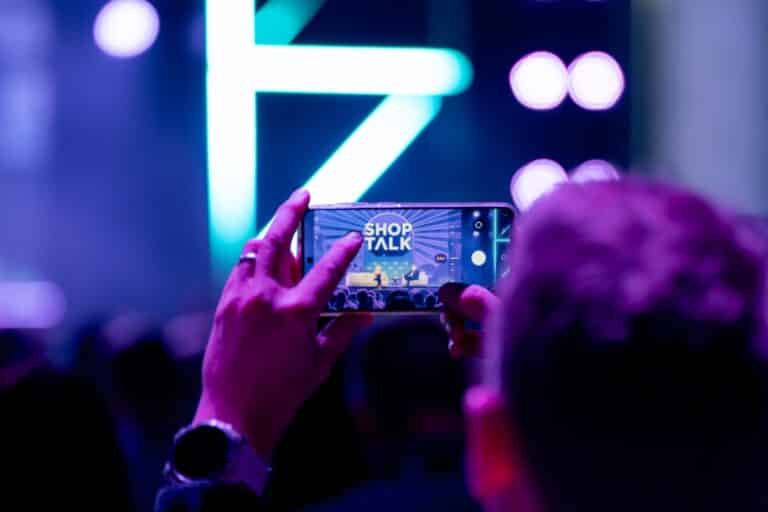
European retail is scaling AI, agentic commerce and retail media, but consumer trust is becoming the constraint. Four structural shifts…
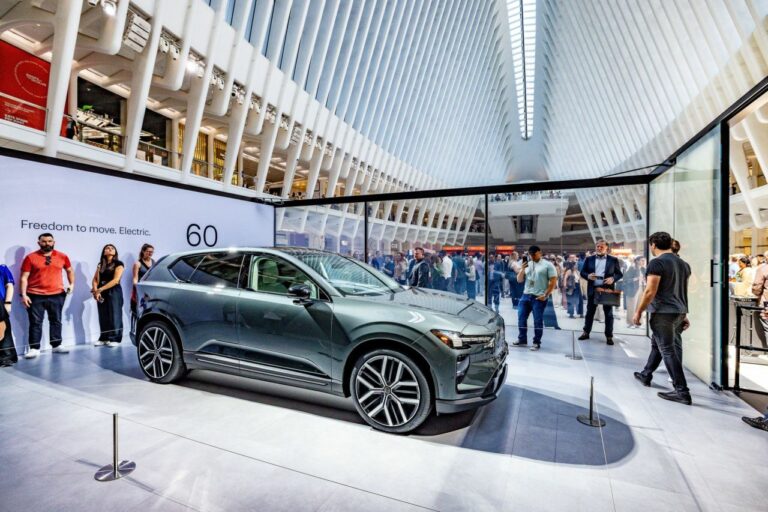
Mall operators are no longer leasing space for pop-ups. They are selling audience access.
Physical stores still drive most retail sales, fulfill online orders, support AI shopping, and help brands return to market.
A practical guide to nine mall tenant formats in 2026, from flagships and pop-ups to anchor redevelopment and mixed-use retail.
Verified signals on brand expansion, store openings, and mall development. Free.
Free · No credit card · Unsubscribe any time
