
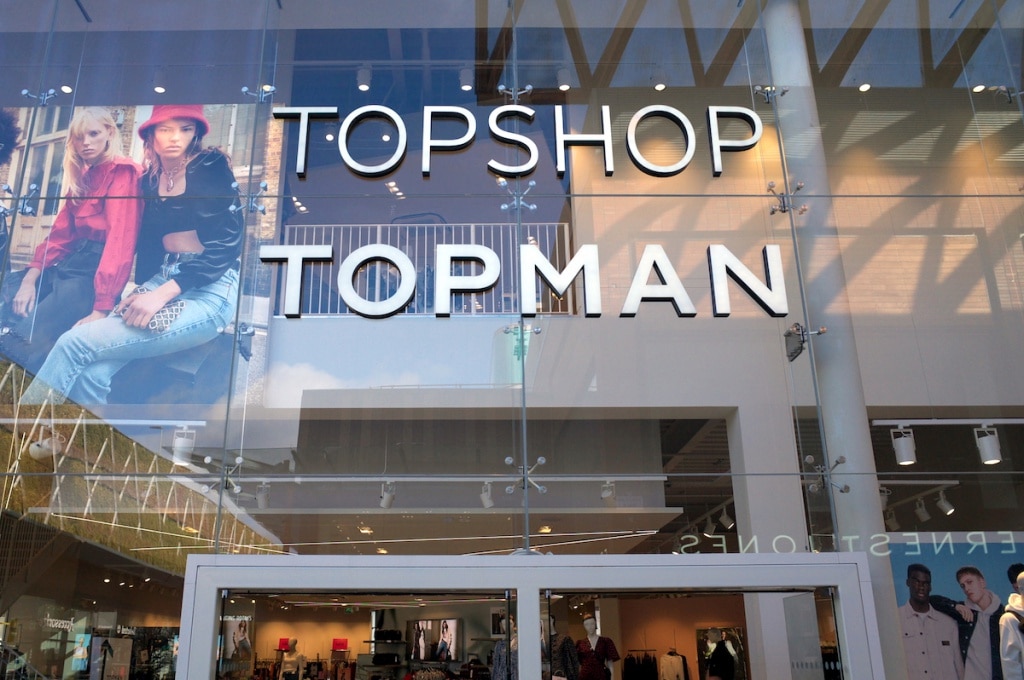
The online retailer of fashionable clothes, ASOS, is considered the most probable applicant for the takeover of famous clothing brand Topshop.
The Topshop brand belongs to the Arcadia Group, controlled by British businessman Philip Green. In recent years, the company has failed to do so due to its management’s reluctance to invest in e-commerce. In December 2020, Arcadia was forced to file for bankruptcy, unable to withstand the economic difficulties caused by the coronavirus pandemic. It was a severe blow to the British retail industry and could lead to the dismissal of 13,000 people. Journalists have already dubbed Arcadia “the biggest pandemic victim” in the retail world.
The future of the brands owned by the Arcadia Group is still uncertain. In addition to Topshop, the company also owns Topman, Dorothy Perkins, Wallis, Miss Selfridge, Evans, Burton, and Outfit. The consultancy firm Deloitte, acting as interim manager, is now searching for new owners. An online fashion retailer ASOS is the most likely candidate for the purchase of Topshop, and it is also considering the purchase of brands Topman and Miss Selfridge.
According to Sky News, citing an unnamed source, ASOS is trying to buy Topshop for more than 250 million pounds ($342 million). The deal can be completed by the end of the month, but some details to discuss. ASOS’s competitors include British online retailer Boohoo, U.S. retailer Authentic Brands Group and Chinese fashion group Shein.
The acquisition by ASOS of Topshop, a company engaged exclusively in online marketing, has only increased fears for the store’s employees’ future, whose likelihood of layoffs is growing again.
Photo credit: depositphotos.com.
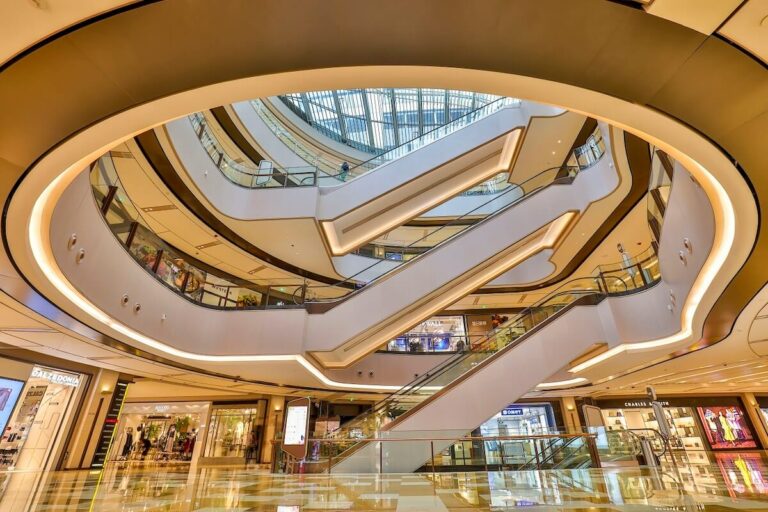
NikeSKIMS, Birkenstock and Starbucks Reserve chose HKRI Taikoo Hui for major China debuts. Why the Shanghai complex keeps winning new…
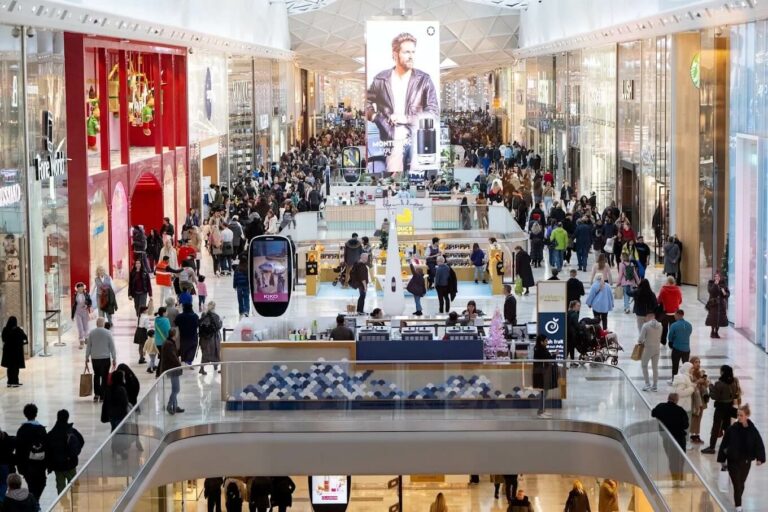
Bluewater opens its first new anchor since 1999. Next takes the former House of Fraser space with about 132,000 square…
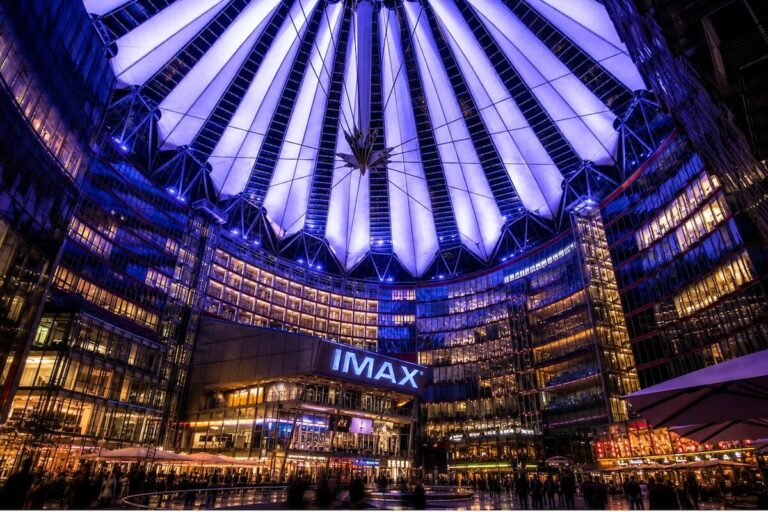
Opening in IMAX 70mm on July 17, 2026: Christopher Nolan's The Odyssey. Select shows went on sale one year in…

European retail is scaling AI, agentic commerce and retail media, but consumer trust is becoming the constraint. Four structural shifts…

Mall operators are no longer leasing space for pop-ups. They are selling audience access.
Physical stores still drive most retail sales, fulfill online orders, support AI shopping, and help brands return to market.
