
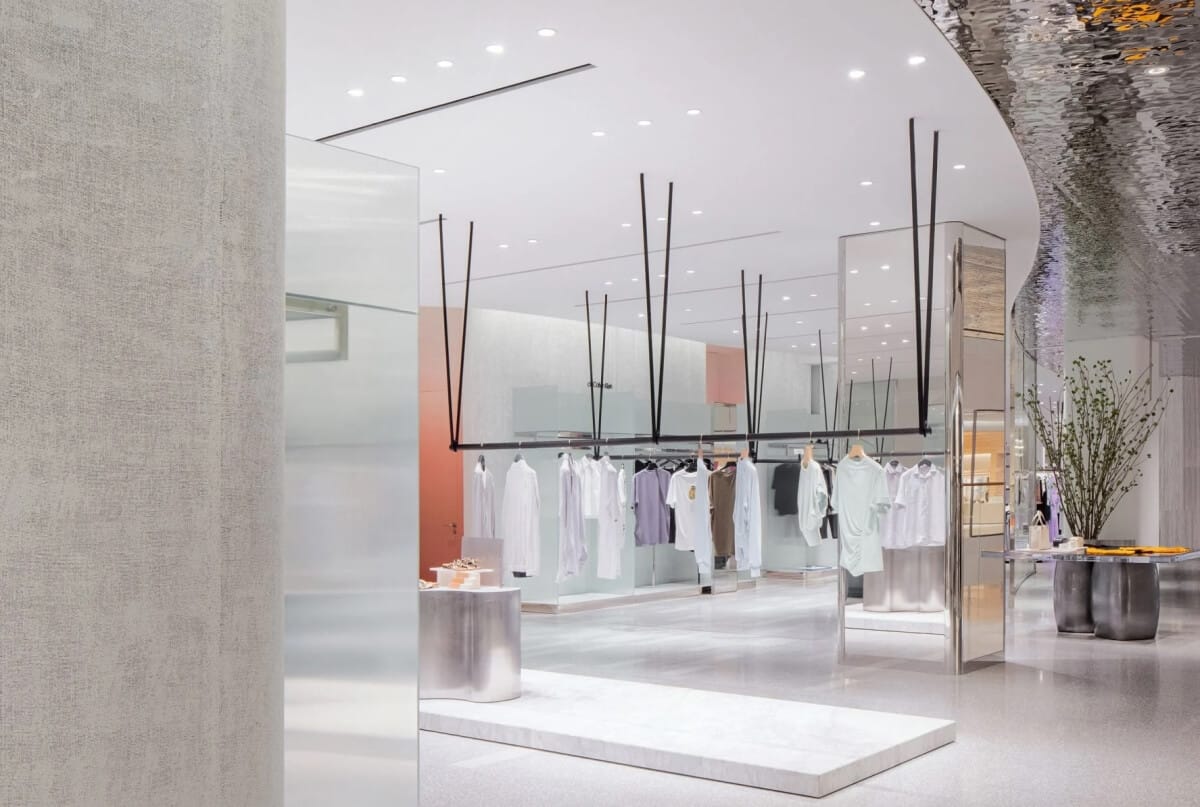
Hyundai Seoul got a central atrium with a 12-meter waterfall and natural lighting.
In South Korea’s capital city, Hyundai Seoul, the Toronto-based company Burdifilek has completed a project to create a “zen atmosphere” in the center. Hyundai Seoul has a central atrium with natural lighting thanks to the penetration of daylight through the main parts of the building, as well as a 12-meter sculptural waterfall and a tranquil environment for shopping.
Shopping galleries at Hyundai Seoul are arranged around an atrium that serves as a kind of green belt for the center. A plethora of greenery and water makes for “tranquil views” from everywhere in the building.
The building’s footprint should be dedicated to public spaces where people can socialize in an environment that is more welcoming than conventional shopping malls, said Diego Burdi, Burdifilek’s co-founder and creative director, noting that Seoul’s natural surroundings influenced the design of the mall.
Each floor of the building was designed with its own visual language as part of the architectural concept. A neutral space with a restrained color palette has been designed on the second floor, where the women’s clothing stores are located. Along the inner edges of the ceiling, mirror panels are inlaid with ripples that create the impression of looking at a reflecting pond. Sculptural elements with bold shapes and darker colors were installed on the mall’s third floor, and natural materials were contrasted with more industrial materials.
We wanted to create a different environment on each floor for a different demographic, as well as reflect different aspects of nature in the space,” Burdi said.
The Hyundai Seoul mall was commissioned in 2021 and is the largest in Seoul. This 89,100 square meter mall has a total of more than 230 shops and restaurants. The Burdifilek Studio developed the designs for three of the building’s twelve floors.
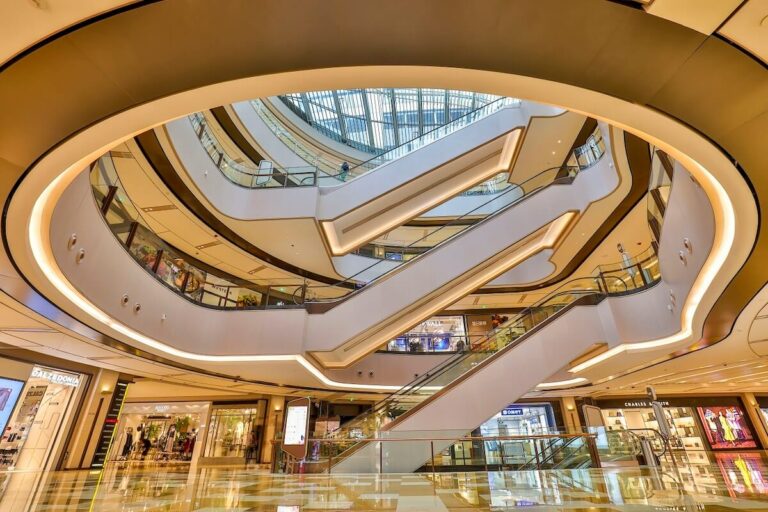
NikeSKIMS, Birkenstock and Starbucks Reserve chose HKRI Taikoo Hui for major China debuts. Why the Shanghai complex keeps winning new…
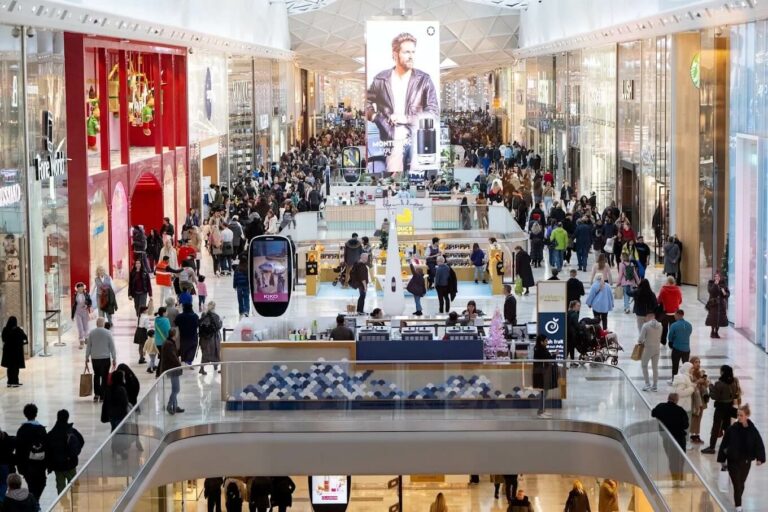
Bluewater opens its first new anchor since 1999. Next takes the former House of Fraser space with about 132,000 square…
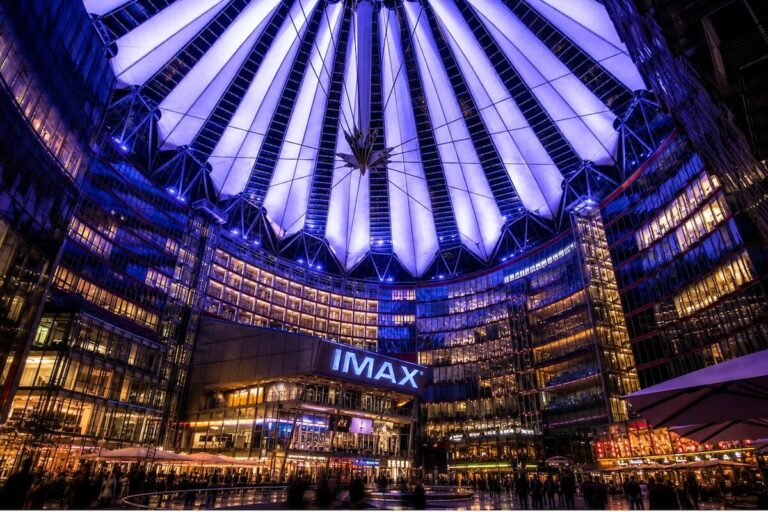
Opening in IMAX 70mm on July 17, 2026: Christopher Nolan's The Odyssey. Select shows went on sale one year in…
European retail is scaling AI, agentic commerce and retail media, but consumer trust is becoming the constraint. Four structural shifts…
Mall operators are no longer leasing space for pop-ups. They are selling audience access.
Physical stores still drive most retail sales, fulfill online orders, support AI shopping, and help brands return to market.
