
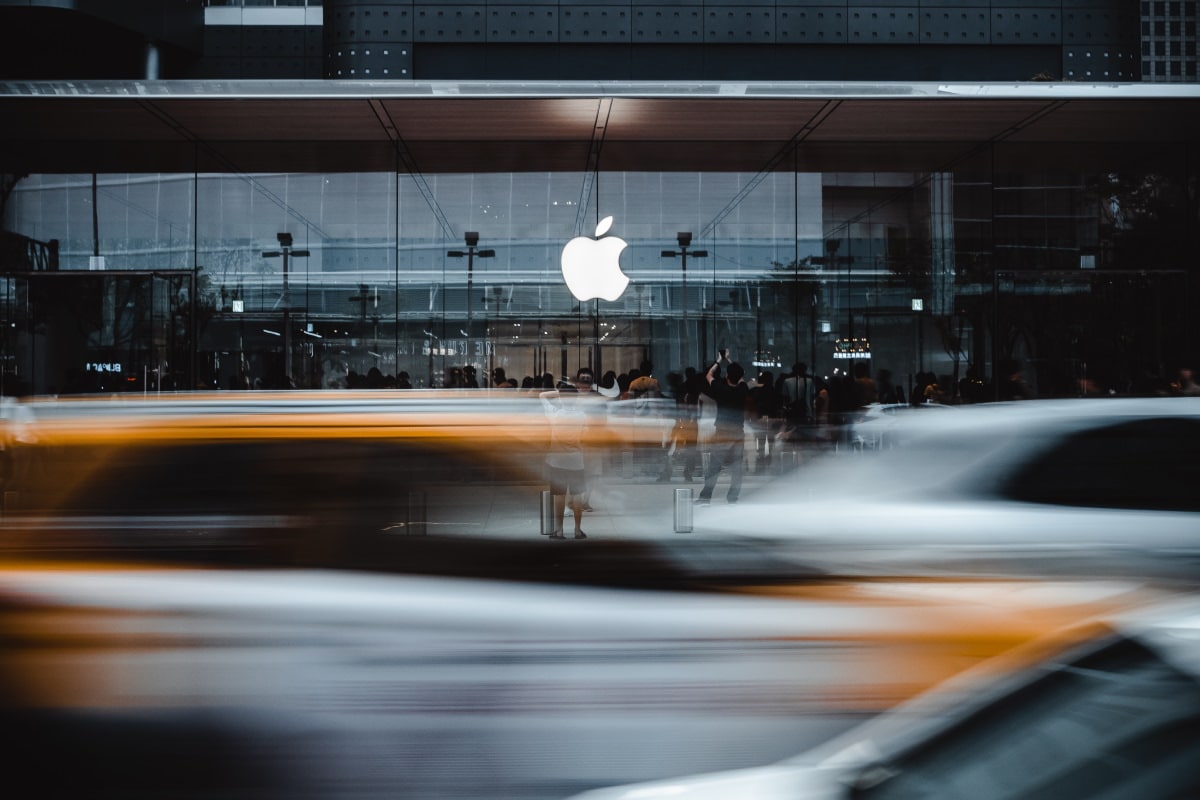
This year’s drop in brand value is due to a decline in projected revenue.
Rising inflation in 2022 has harmed the value of most consumer brands, according to the annual report of the international consulting firm Brand Finance. Leading the Global 500 list this year is Amazon, down from $350.3 to $299.3. Apple lost $58 billion during the year and was ranked second with a business valuation of $297.5. This year’s drop in brand value is due to a decline in projected revenue.
The most significant losses in 2022 were suffered by technology brands, which were expensive during the pandemic and restrictions. Alibaba’s estimated value is down 56%, Facebook’s is down 42%, and WeChat’s is down 19%. Twitter and Snapchat dropped out of the rankings. The total number of technology brands in the ranking decreased to 48.
Concurrent with the conclusion of pandemic restrictions, people are returning to shopping in person, slightly mitigating the need for online retail. Taobao is down 43 percent over the past year, JD.com is down 30 percent, eBay is down 26 percent, BestBuy is down 17 percent, Amazon is down 15 percent, and IKEA is down 9 percent. On the other hand, the Costco brand was up 24%, Home Depot was up 8%, Sainsbury’s was up 4%, and Walmart was up 2%.
Automotive brands felt confident last year amid rising demand for products worldwide. For example, electric car maker Tesla gained 44% to $66.2 billion over the year and Chinese brand BYD gained 57% to $10.1 billion.
Brand Finance also presented in Davos the Sustainability Perceptions Index, developed jointly with the International Advertising Association. The report showed that the world’s biggest brands, including Amazon, Tesla, Apple, and Google, have billions of dollars that depend on careful reputation management for a commitment to sustainability.

NikeSKIMS, Birkenstock and Starbucks Reserve chose HKRI Taikoo Hui for major China debuts. Why the Shanghai complex keeps winning new…
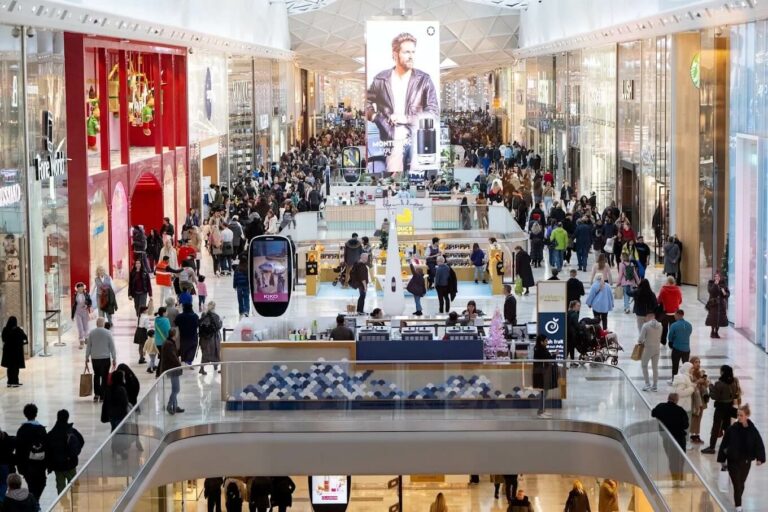
Bluewater opens its first new anchor since 1999. Next takes the former House of Fraser space with about 132,000 square…

Opening in IMAX 70mm on July 17, 2026: Christopher Nolan's The Odyssey. Select shows went on sale one year in…

European retail is scaling AI, agentic commerce and retail media, but consumer trust is becoming the constraint. Four structural shifts…
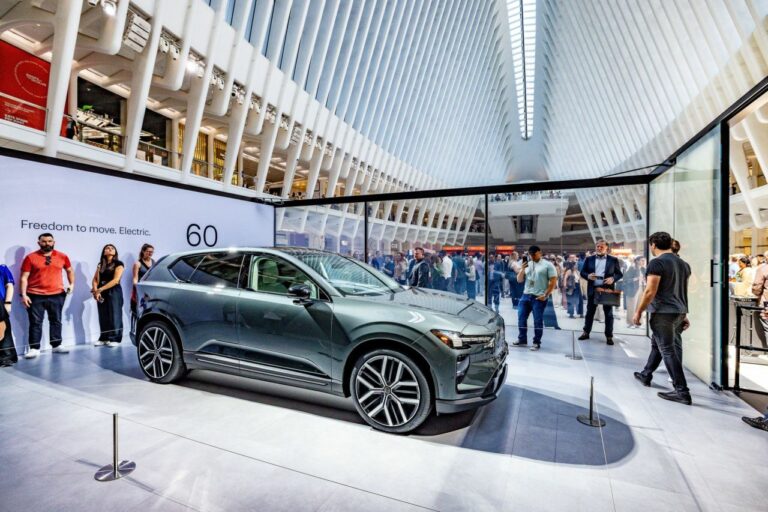
Mall operators are no longer leasing space for pop-ups. They are selling audience access.
Physical stores still drive most retail sales, fulfill online orders, support AI shopping, and help brands return to market.
