
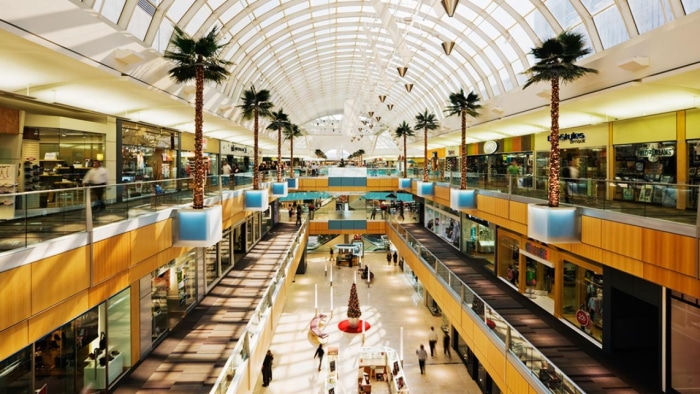
Businesses in U.S. shopping malls could come under severe pressure if the coronavirus continues to spread.
U.S. shopping center business may be under severe pressure if the coronavirus spreads further. According to Coresight Research, six out of ten U.S. residents plan to avoid public places such as shopping malls if the situation does not change for the better, reports BusinessInsider.
“Among those consumers who can change their habits if the outbreak worsens, about three-quarters can avoid shopping malls,” commented Deborah Winswig, CEO and founder of Coresight Research. “Shoppers note that they will avoid shopping malls more than the stores in general.
According to recent data, more than a quarter of those surveyed are already changing their usual routes and avoiding public places because of the virus. Almost half of the respondents try not to go to shopping malls. Restaurants and cinemas in the U.S. may also experience problems with traffic shortly. At that time, if the situation with the coronavirus does not turn into a global epidemic, it is projected that retail sales in the U.S. will increase by 3.5-4.1% in 2020.

European retail is scaling AI, agentic commerce and retail media, but consumer trust is becoming the constraint. Four structural shifts…
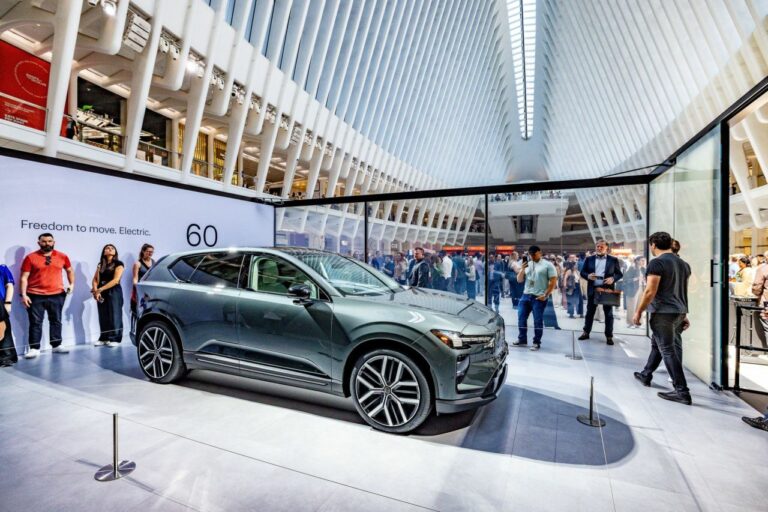
Mall operators are no longer leasing space for pop-ups. They are selling audience access.
Physical stores still drive most retail sales, fulfill online orders, support AI shopping, and help brands return to market.
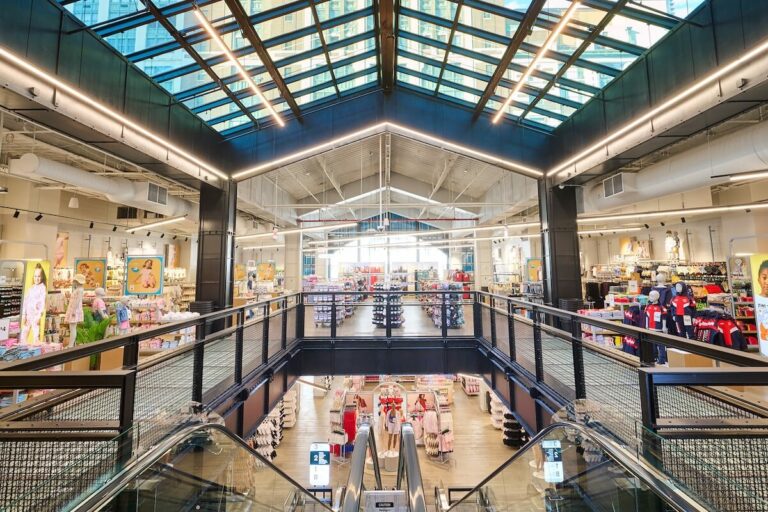
A practical guide to nine mall tenant formats in 2026, from flagships and pop-ups to anchor redevelopment and mixed-use retail.
1,051 of 1,173 US malls hold zero ultra-luxury brands. Half of all Cartier, Chanel, Hermès, and Louis Vuitton mall stores…
Every physical expansion decision starts with the same question: where does the store go?
Verified signals on brand expansion, store openings, and mall development. Free.
Free · No credit card · Unsubscribe any time
