
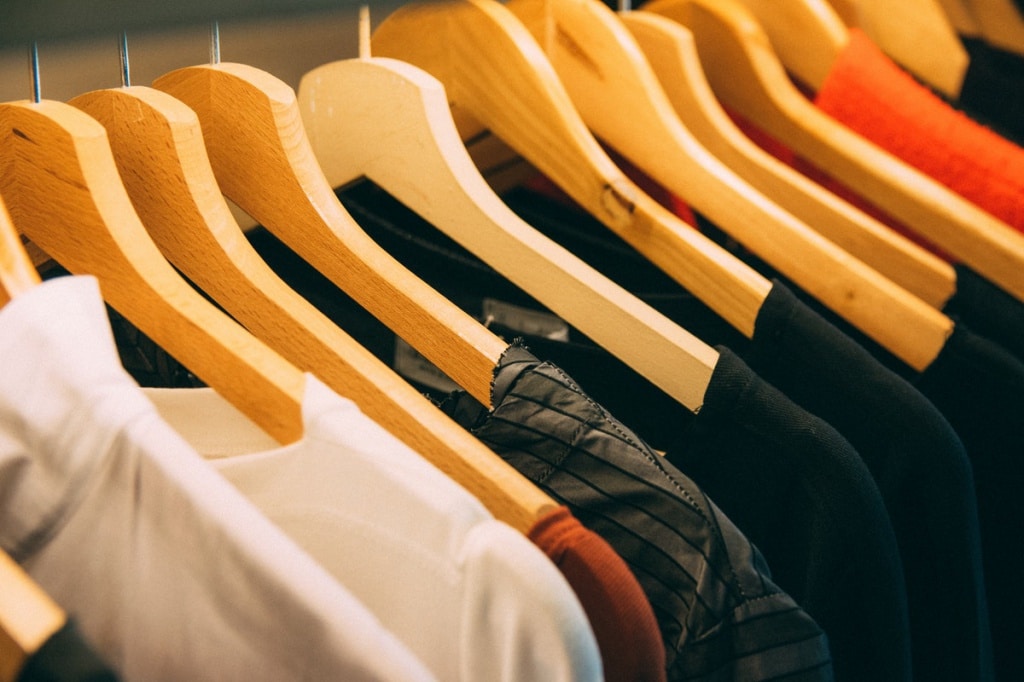
Consumers will be able to buy T-shirts that use “virtual fit technology” to create the perfect fit.
We all know how difficult it can sometimes be to find the perfect fit. It may look nice on the counter or in the store, but it doesn’t look right on your body. And it is complicated for people with irregular proportions.
Online shoppers tend to order clothes in different sizes, colors, and styles, using their homes as closets and returning what they don’t need. According to GlobalData, the resulting waste results in additional costs for retailers. It increases pollution – at least 39 million tons of clothing are thrown away each year.
And a new approach proposed by Amazon could, in theory, help address this issue. The ability to create personalized items, without having to do any pre-fitting, as was necessary with tailored services, should appeal to retailers and consumers.
Each item ordered is created after the buyer has provided information about their body, such as height, weight, or type. They must also send two photos of themselves and choose one of two fabric types and eight colors and length, fit, neckline and sleeve length. The finished T-shirt will cost the consumer $25.
At this point, it’s hard to say how impressive this approach is from an economic standpoint for retailers. Amazon is a large company known for its willingness to sacrifice some of its revenue to bring new life ideas. Body-fitting T-shirts can serve as additional advertising for the Internet giant, but it’s doubtful that smaller retailers will be able to implement something like this anytime soon.
Physical stores still drive most retail sales, fulfill online orders, support AI shopping, and help brands return to market.
A practical guide to nine mall tenant formats in 2026, from flagships and pop-ups to anchor redevelopment and mixed-use retail.
1,051 of 1,173 US malls hold zero ultra-luxury brands. Half of all Cartier, Chanel, Hermès, and Louis Vuitton mall stores…

Every physical expansion decision starts with the same question: where does the store go?
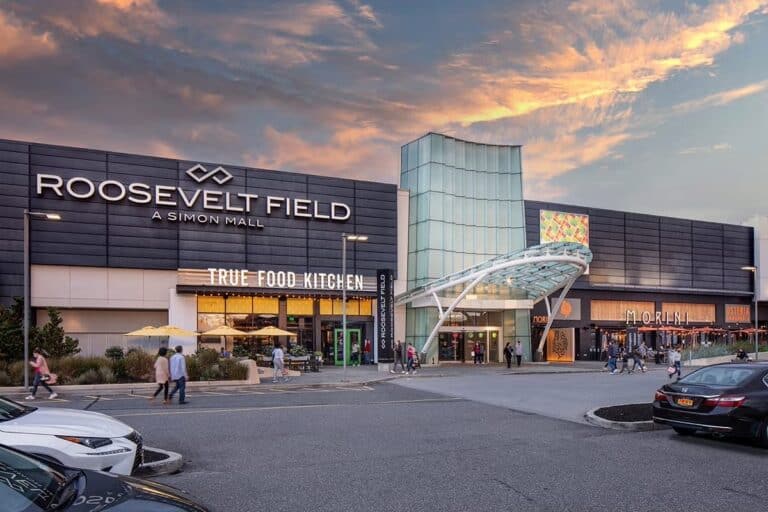
900 malls remain in the United States. The top 100 account for half the sector's value.
57 verified brand expansion signals. 25+ markets. Seven archetypes. One structural pattern.
Verified signals on brand expansion, store openings, and mall development. Free.
Free · No credit card · Unsubscribe any time
Billed annually · View full comparison · Payment via invoice or PayPal
