

A report has surfaced on the Web claiming that Amazon has surpassed Walmart as the top apparel retailer in the United States in 2020.
That Amazon will soon surpass Walmart in sales of clothing, on which Americans spend more money online, compared to electronics and furniture, analysts have been saying for a long time. Well, since many small stores and malls remained closed for much of 2020, it’s no surprise that online sales are on the rise.
And now CNBC, citing the analytical agency Wells Fargo, says that Amazon is 20-25% ahead of Walmart in sales of clothing and footwear. Over the same period, the e-commerce giant managed to reach $41 billion, 11-12% of total clothing sales in the United States. Analysts at Wells Fargo believe that this year Amazon will increase its volume, even more, reaching a figure of $4.5 billion.
Interestingly, the growth in sales at Amazon has contributed to the fact that some fashion brands have stopped selling clothes on its platform. For example, once on the electronic giant’s site, it was possible to buy Nike shoes. There was even an agreement between the companies, under which Amazon was to monitor third-party sellers’ offerings, preventing them from having counterfeit products. In 2019, however, Nike claimed that the retailer could not honor the deal and removed its products. But because of this, Amazon no longer had to deal with additional oversight, which scared some merchants.
Walmart declined to say anything about Wells Fargo’s data, saying it was not involved in commenting on analysts’ concerns. Amazon also declined to comment.
Photo credit: depositphotos.com.

Gross margins and selected profit metrics for Coach, Pop Mart, lululemon, Miniso, Five Below, TJX and Costco, plus where each…

NikeSKIMS, Birkenstock and Starbucks Reserve chose HKRI Taikoo Hui for major China debuts. Why the Shanghai complex keeps winning new…
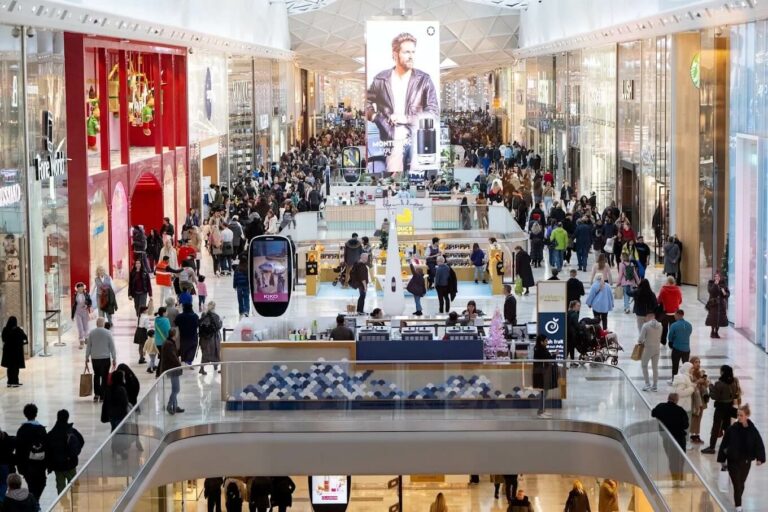
Bluewater opens its first new anchor since 1999. Next takes the former House of Fraser space with about 132,000 square…

Opening in IMAX 70mm on July 17, 2026: Christopher Nolan's The Odyssey. Select shows went on sale one year in…

European retail is scaling AI, agentic commerce and retail media, but consumer trust is becoming the constraint. Four structural shifts…
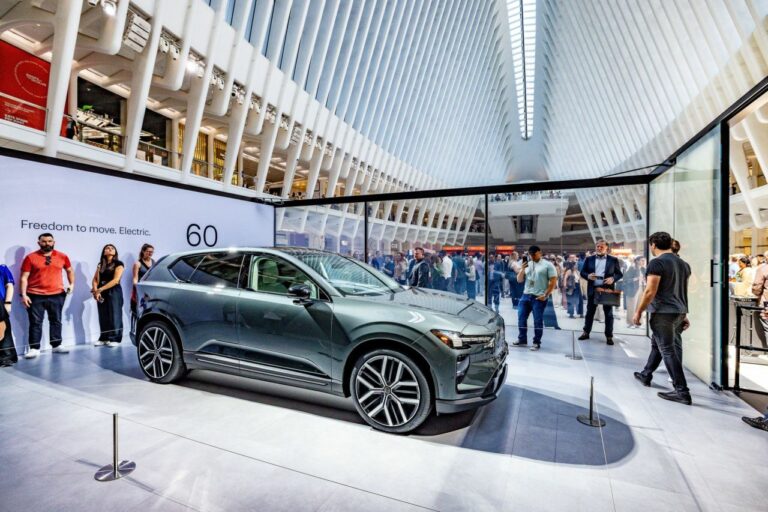
Mall operators are no longer leasing space for pop-ups. They are selling audience access.
